


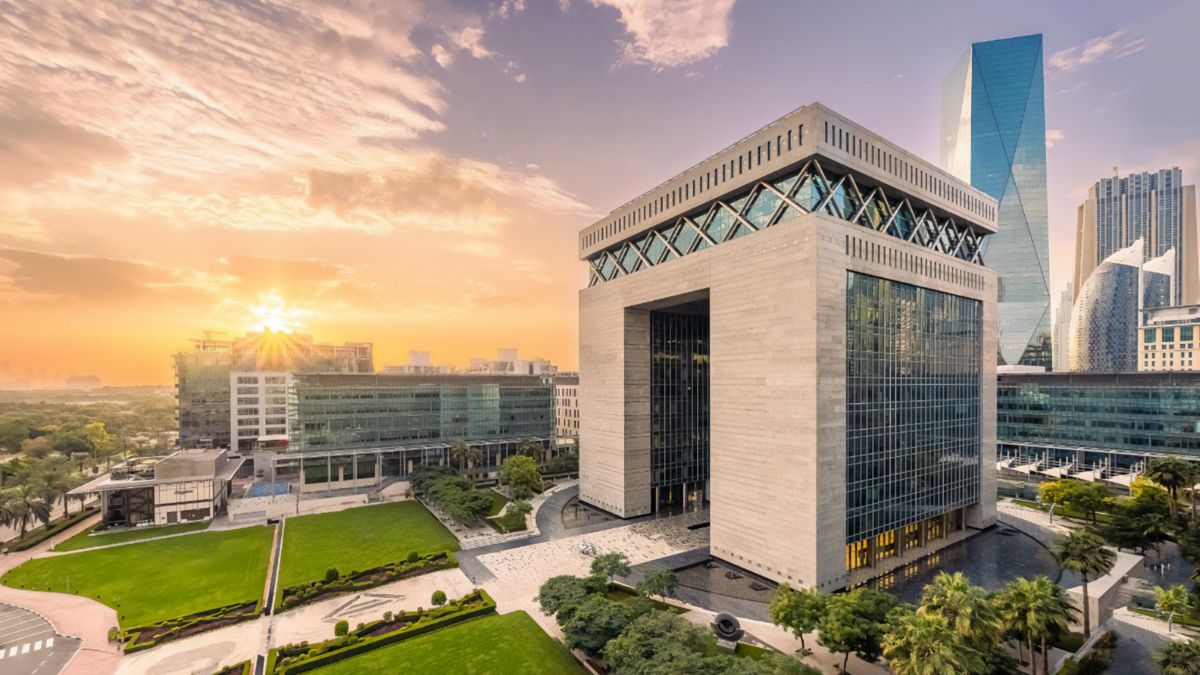



How Saudi Museums Are Blending Heritage with Artificial Intelligence
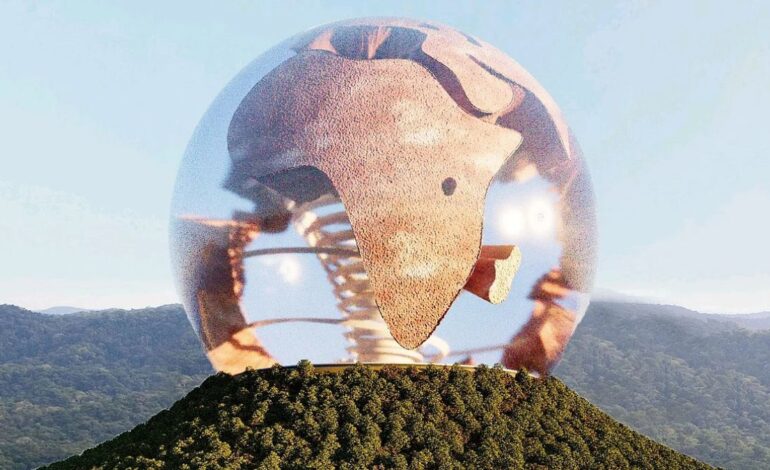

Picture a 12-year-old sitting in a gallery at the National Museum of Saudi Arabia, sketching on a tablet. Behind her is a prehistoric rock carving from Najran, etched into sandstone thousands of years ago. On her screen, a design tool generates variations of a character she has drawn, refining it in real time.
She isn’t in a coding boot camp or a computer lab — she’s in a museum, an unexpected setting for young people to explore emerging technology.
The program, called “Tac-Tech: Your Game,” held its fourth edition from July 11 to August 6, bringing together 120 participants aged 12 to 14 across two cohorts of 60. Over two weeks, each group transformed museum artifacts into playable physical and digital games using generative design tools, virtual reality, and sound engineering.
The National Museum’s Creative Programs and Events Division told Arab News that a museum is far more than a place to preserve and display artifacts — it’s an environment for learning, inspiration, and innovation. All of its programs, the division said, are built around connecting the museum’s stories and collections to concepts and values through interactive experiences that turn visitors into active participants in discovering knowledge rather than passive observers.
Rather than starting with technical instruction, the National Museum builds its programs around storytelling first. Each year’s camp evolves through a design process that begins with research into local developments, culturally significant themes, and the interests of its target audience, supplemented by brainstorming sessions and focus groups with stakeholders. That process has shaped a steady evolution of themes — from “Person, Animal, Object” in 2023, to “Once Upon a Time, There Was a Storyteller” in 2024, to “Made in the Museum” in 2025, and now “Tac-Tech: Your Game.”
Every game in this year’s edition begins with an artifact from the museum’s collection — the Lion with the Claw, the Princess of Thaj, or prehistoric rock art from Najran among them. Participants then use design tools to generate character concepts, refine visuals, and prototype game elements.
The museum said it has come to see games not merely as entertainment but as a language the younger generation understands and engages with deeply — which is why game design, in both digital and non-digital forms, has become central to its learning approach. The belief driving the program is that the most effective way to strengthen young people’s connection to their heritage is to let them reinterpret it and create something new from it themselves.
The camp runs three distinct tracks. Game Innovators design hybrid board games that incorporate virtual reality, blending physical pieces with digital worlds experienced through a headset, tied together by a narrative drawn from the museum’s galleries. World Builders create virtual environments on Roblox, developing immersive spaces where players navigate heritage-based challenges. Puzzle Makers build cultural escape-box experiences centered on secrets, locks, and clues, with the artifact’s story guiding players toward the solution.



















6 Comments
[…] Business August 21, 2026 […]
[…] Business August 21, 2026 […]
[…] Business August 21, 2026 […]
[…] How Saudi Museums Are Blending Heritage with Artificial Intelligence […]
[…] How Saudi Museums Are Blending Heritage with Artificial Intelligence […]
[…] How Saudi Museums Are Blending Heritage with Artificial Intelligence […]