




Trump Advances Saudi Nuclear Deal but Keeps Israel Recognition on the Table
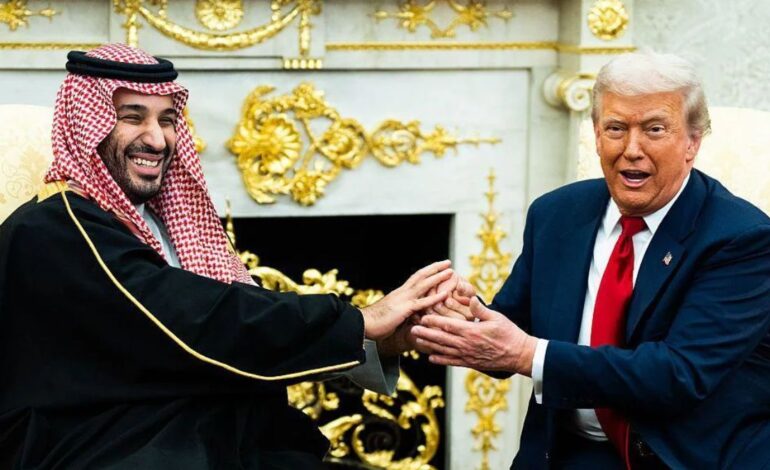

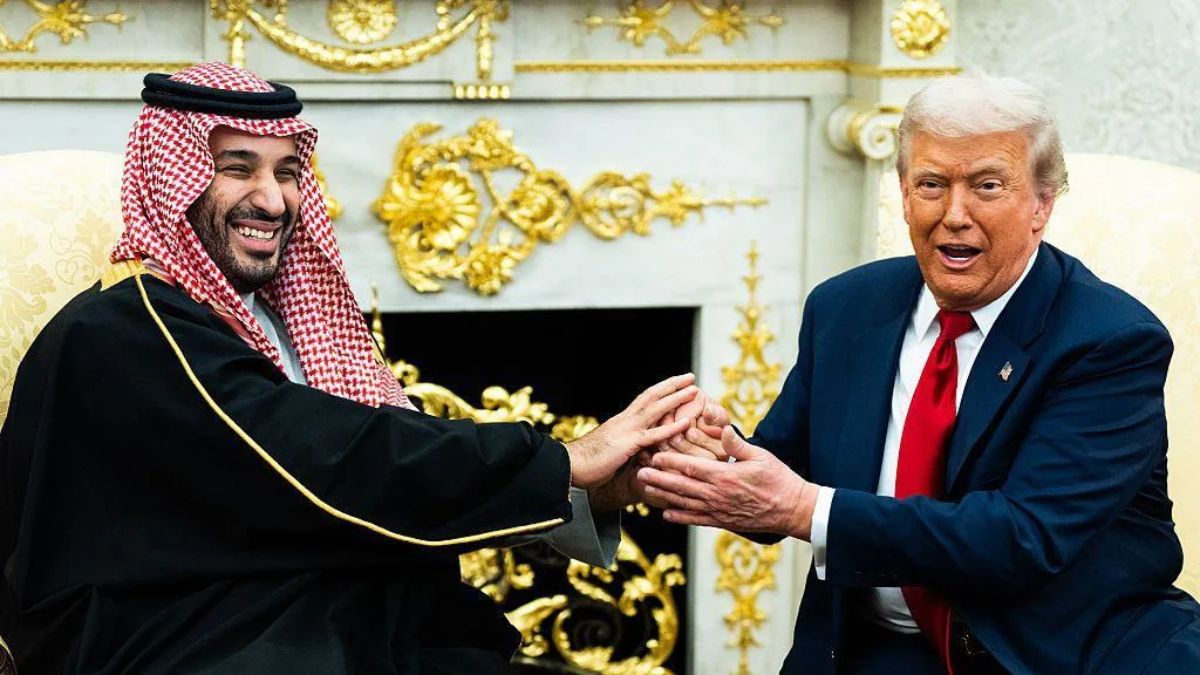
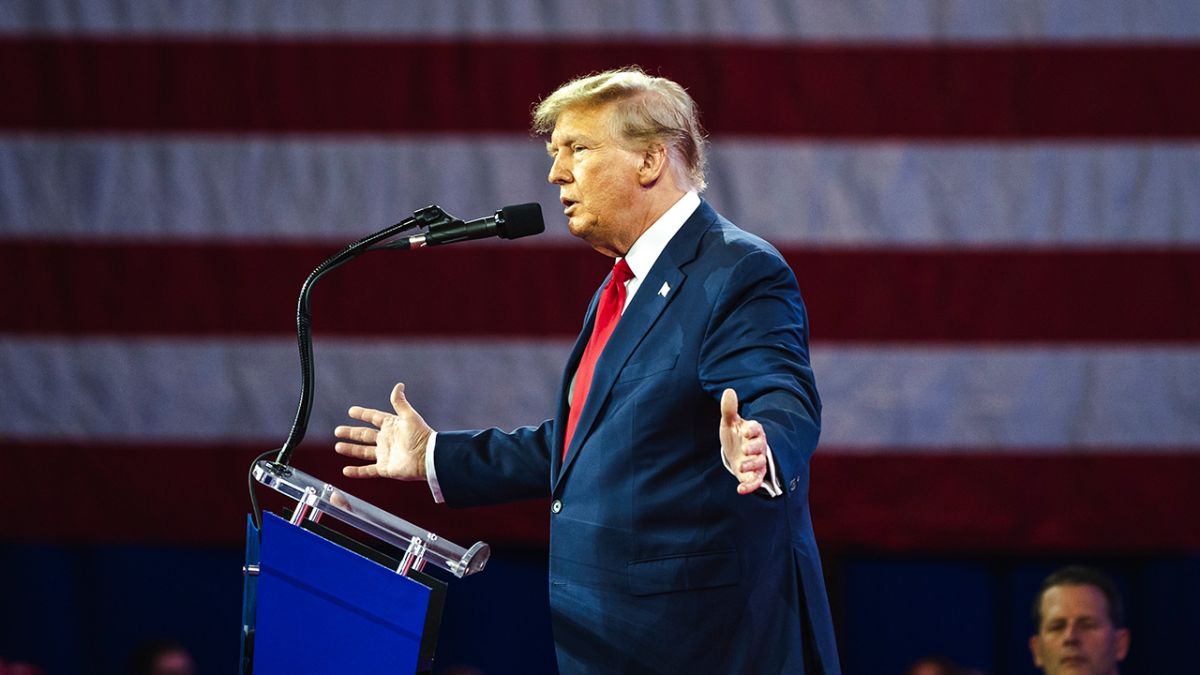
President Donald Trump has sent Congress a proposed civil nuclear energy agreement with Saudi Arabia, though the deal will only take effect if the kingdom moves to normalize relations with Israel, a US administration official told Reuters on Tuesday.
The agreement, reached in July, would allow US companies to export civilian nuclear technology to Saudi Arabia and was formally sent to Congress on Monday, according to the official, who spoke on condition of anonymity. The Saudi embassy in Washington did not immediately respond to a request for comment.
It remains unclear how sending the deal to Congress — which now has 90 session days to review it — advances Trump’s broader goals, given the normalization condition attached. “The president’s position has not changed that the agreement will only move forward if Saudi Arabia joins the Abraham Accords,” the official said in an email, referring to the US-brokered agreements that normalized relations between Israel and several Arab and Muslim-majority nations, including the UAE, Bahrain, Morocco, and Sudan in 2020 and 2021.
Trump, who also pursued a similar nuclear agreement during his first term, set normalization as a condition for the current deal’s implementation shortly after it was reached in July. Former President Joe Biden had likewise sought to link a nuclear agreement to normalization efforts. Diplomats believed Saudi Arabia was nearing a normalization deal with Israel in 2023, but the outbreak of Israel’s war in Gaza that October significantly altered the diplomatic landscape. Saudi Arabia has since demanded an irreversible path toward Palestinian statehood as a precondition for recognizing Israel.
The proposed 30-year nuclear agreement centers on the construction of AP1000 reactors, a project worth tens of billions of dollars that would benefit Westinghouse, a company jointly owned by Canada’s Cameco and Brookfield Asset Management. According to two congressional sources, the deal was sent to congressional leaders and is expected to reach relevant committees Wednesday. If Congress does not object within the 90-day window, the agreement automatically goes into force. Should Congress reject it, Trump could veto that decision, though overriding his veto would require a two-thirds majority in Congress.
The deal has drawn criticism from some Democratic lawmakers and nonproliferation advocates, who note it does not bar Saudi Arabia from enriching uranium or reprocessing nuclear waste — both potential pathways toward developing nuclear weapons. The UAE agreed to forgo these activities under what’s known as the “gold standard” in its 2009 civil nuclear agreement with Washington. The Trump administration maintains that the current deal includes all nonproliferation measures required by law.
Henry Sokolski, head of the Nonproliferation Policy Education Center, said that by initiating the congressional process, Trump has effectively opened the door for the deal to move forward even without normalization or stricter proliferation safeguards in place. “This is hardly ideal if you’re serious about no enrichment and recognition of Israel,” Sokolski said.