



Sri Lanka Faces Double Weather Threat From Heavy Rains and Drought
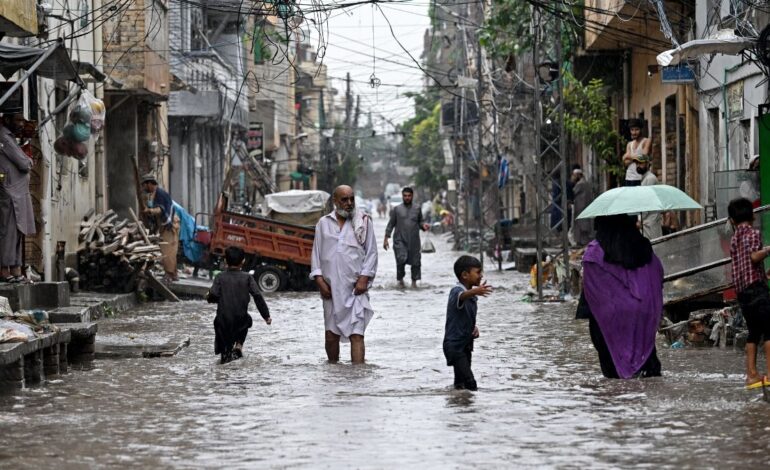

Sri Lanka is bracing for a difficult stretch of extreme weather, with heavy rains and severe drought both expected in the coming months as the island nation confronts what officials are calling its worst-ever El Nino event, Environment Minister Dhammika Patabendi said Thursday.
El Nino is a natural climate pattern that warms surface temperatures in the central and eastern equatorial Pacific, triggering shifts in wind and rainfall patterns worldwide. Human-driven climate change can intensify these effects, as warmer oceans and atmospheres generate more energy and moisture to fuel extreme weather.
Weather experts say Sri Lanka’s current dry spell will give way to heavy rainfall from late September through December, followed by a prolonged drought expected to hit early next year. The government has formed a ministerial panel to prepare for the fallout, given the scale of disruption anticipated.
The stakes are especially high for Sri Lanka, where agriculture employs about a quarter of the country’s 22 million people and plays a central role in the economy. “The drought will be very severe between January and April, and that is when we will face serious challenges,” Patabendi told reporters in Colombo, adding that the government is actively preparing to mitigate the impending crisis.
Authorities have already urged rice farmers to begin the main planting season roughly two weeks early, in early October, to take advantage of the anticipated early rains. Patabendi said officials are also assessing how the erratic weather could affect economic growth as the country continues recovering from its 2022 financial crisis.
Water reservoirs, including those feeding hydroelectric power stations, currently sit at 56 percent capacity — a level consistent with previous years, though officials remain concerned about water availability next year if the forecasted drought intensifies.
There’s also risk on the wetter end of the forecast. Intense rainfall between October and December could trigger mudslides in Sri Lanka’s mountainous regions, areas still recovering from the devastation of Cyclone Ditwah last November. That storm affected nearly the entire island, claimed close to 650 lives, and caused an estimated $4.1 billion in infrastructure damage, according to World Bank estimates.
Also Read:
Thailand Hosts Myanmar Military Chief as Post-Coup Relations Begin to Improve
Egyptian Entrepreneur Creates AI App to Make the World More Accessible