




Oil Market Faces Fresh Supply Risks as US-Iran Talks Lose Momentum

Oil prices climbed on Tuesday as hopes faded for a deal to end the Middle East war, with Iran signaling a shift toward a more offensive military stance and the US ruling out an extension of the current ceasefire.
Brent crude futures rose 62 cents, or 0.7 percent, to $91.49 a barrel, marking their highest level since July 30. US West Texas Intermediate crude gained 75 cents to trade at $85.25 a barrel, having earlier touched $85.37 — its strongest price since July 31.
A senior Iranian official told Reuters the country would move to a “fully offensive” posture as efforts toward a lasting resolution stall. Progress on reopening the Strait of Hormuz to normal tanker traffic has also stalled, with a projectile striking a vessel transiting the strait on Tuesday and crossings remaining at a trickle. Separately, Yemen’s Houthi forces claimed a missile attack on a Saudi military ship and its escorts in the Red Sea.
Analysts say the standoff is starting to shape longer-term price expectations. Tim Waterer of KCM noted that oil “jumped to start the week” as US-Iran relations grow shakier, with no sign of a deal to reopen Hormuz. DBS Bank’s Suvro Sarkar said the lack of an agreement could affect price outlooks well into the fourth quarter and beyond, with oil likely to trade between $80 and $100 a barrel in the near term.
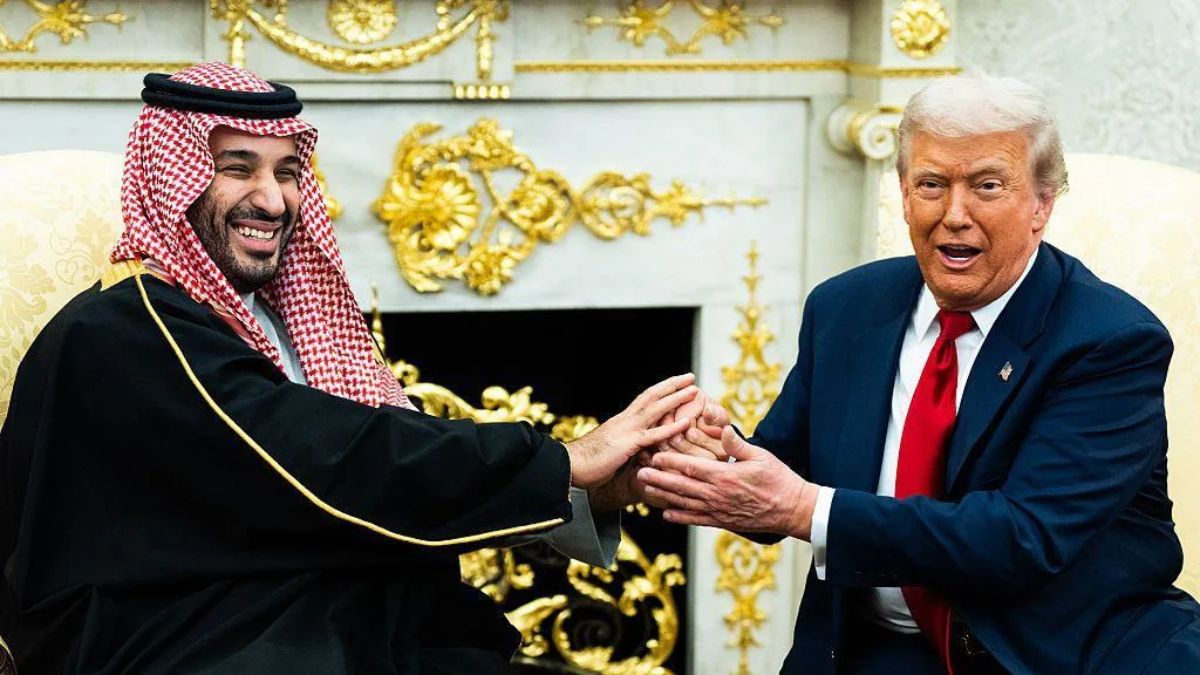
Iran has been negotiating separately with Oman over managing the strait and says a deal is close, though President Trump responded to those talks by threatening to strike the Gulf state. Meanwhile, a preliminary Reuters poll suggests US crude and product inventories fell last week, adding another factor to the tightening supply picture.
Also Read:
Iran Defends Control of Strait of Hormuz Amid Growing US Pressure