



Iran Defends Control of Strait of Hormuz Amid Growing US Pressure
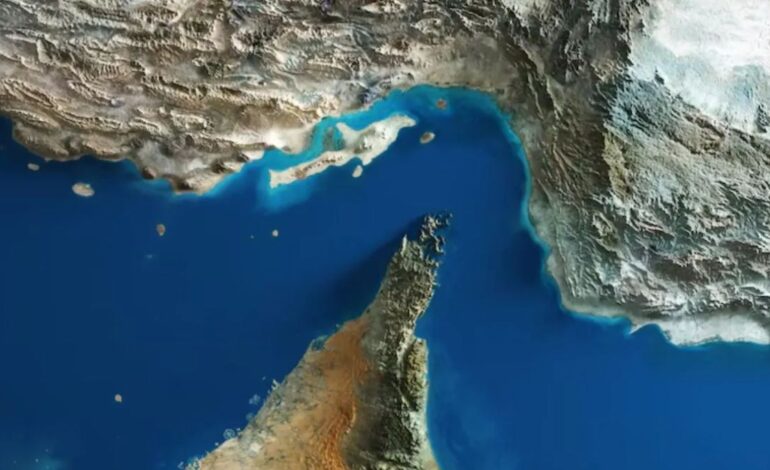

DUBAI — A senior Iranian official said on Thursday that the Strait of Hormuz remains firmly under Tehran’s control, rebuffing President Donald Trump’s claim that the United States now holds sway over the strategic waterway.
“Today, you see that the Strait of Hormuz is under the management and control of the Islamic republic,” said Hossein Taeb, head of the paramilitary Basij forces affiliated with Iran’s Revolutionary Guards, according to state television.
The comments dealt a fresh blow to hopes for a diplomatic resolution to the crisis. A senior Iranian source told Reuters there had been “absolutely no progress” in talks to revive the interim deal agreed in June, which had declared an “immediate and permanent termination of military operations.” That agreement quickly unraveled, with Trump declaring it “over” on July 7 and Iran’s foreign ministry saying it was “suspended” a week later.
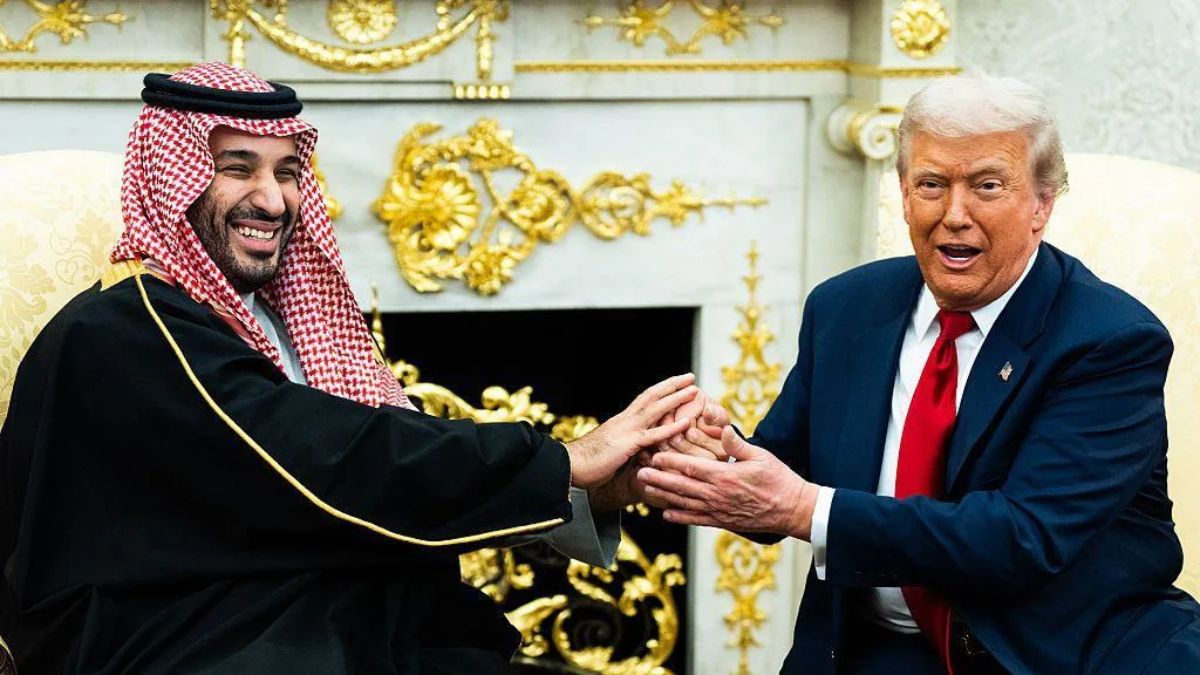
Trump on Wednesday wrote on his Truth Social platform that the US has “total control” over the strait and intends to keep it. “Our Naval Blockade is being called, by everyone, ‘A WALL OF STEEL,’ and there is nothing Iran can do about it,” he said.
Both sides have stepped up rhetoric in recent days. Iran’s top security official, Mohsen Rezaei, said the strait would remain closed unless the US accepts Tehran’s conditions to end the war. Trump, meanwhile, demanded that Iran pay compensation for people killed in decades of conflicts.
The tensions were compounded by separate attacks on shipping on Tuesday. In the Red Sea, four crew members were killed in a Houthi attack on a cargo ship in the Bab al-Mandab Strait—the first deadly strike on shipping by the group since the war began. Separately, a US Navy helicopter disabled a Panama-flagged cargo ship that ignored warnings to stop violating the naval blockade on Iranian ports, US Central Command said.
Also Read:
Inside the Lives of Noor and Banen Stars: Fame, Sisterhood, and Family
Iraq PM Pushes for New Law to Restrict Weapons to State Control