




How Smart Cities Are Transforming Energy, Transport, and Public Services

DUBAI — Smart cities are becoming a cornerstone of sustainable economic growth, environmental stewardship, and improved quality of life, according to a new report by the World Governments Summit Organization, which says technology-driven urban development is essential to preparing cities for future challenges.
The report, titled “Smart Cities: Integrating Technology for Sustainable Urban Development,” published in collaboration with Deloitte, explores how emerging technologies are reshaping urban environments. It reveals that sustainable urban development is no longer a long-term ambition but an urgent priority as cities face rising populations, growing climate risks, and mounting pressure on infrastructure and public services.
Technology as a Strategic Enabler
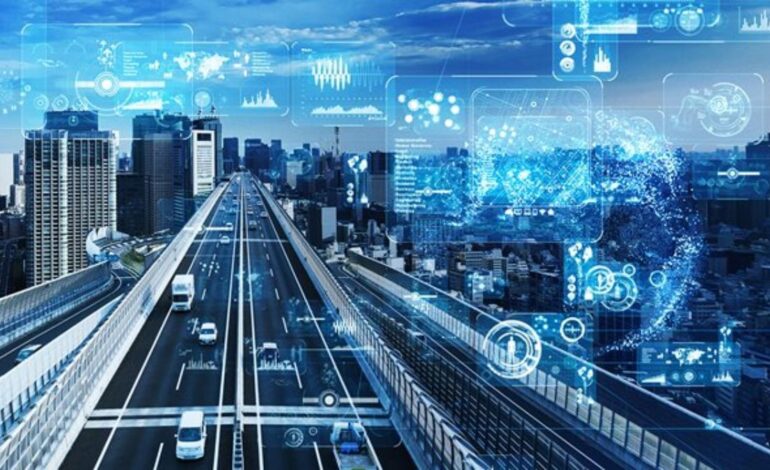
The report emphasizes that technology should be viewed not simply as a tool for modernization but as a strategic enabler of urban transformation. Technologies including digital twins, the Internet of Things, advanced connectivity, and predictive analytics are helping cities optimize energy consumption, improve transportation systems, enhance climate resilience, and deliver better experiences for residents.
Reem Baggash, Deputy Director of the World Governments Summit, said sustainable urban development has become a key priority for governments worldwide. She noted that technology offers governments unprecedented opportunities to enhance urban resilience, improve service delivery, increase resource efficiency, and strengthen future readiness.
Five Pillars of Smart City Development
The report identifies five core dimensions shaping smart city development:
-
Leveraging technology to modernize urban infrastructure
-
Promoting sustainable practices and resource efficiency
-
Enhancing citizen participation and inclusion
-
Building climate-resilient and future-ready cities
-
Creating healthier, more livable urban environments
International case studies in the report demonstrate how technology can support circular economy initiatives, carbon reduction strategies, and climate adaptation efforts. Smart energy systems, intelligent transportation networks, digital water management platforms, and city-scale digital twins are already helping governments improve service delivery while reducing environmental impacts.
Overcoming Challenges
Beyond technology adoption, the report stresses that governments must overcome policy, governance, and financing challenges to successfully scale smart city initiatives. It highlights the importance of developing robust digital public infrastructure, establishing shared standards, strengthening cybersecurity, and adopting collaborative governance models to support long-term urban resilience.
The report concludes that the next phase of urban development will be driven by a new generation of technologies. Advanced connectivity, immersive technologies, and predictive analytics are expected to redefine how cities operate, helping governments anticipate challenges, optimize resources, and deliver more responsive public services. As cities continue to expand and the effects of climate change become more pronounced, integrating technology with sustainable planning will be critical to creating resilient urban ecosystems capable of supporting economic prosperity, environmental sustainability, and a higher quality of life for future generations.
Also Read:
Ashi Studio Blends Art and Fashion at Paris Haute Couture Week
Trump Administration Calls for Major Changes to State Election Procedures