



Rising Global Earthquake Activity Sparks Fresh Concerns Across the Middle East
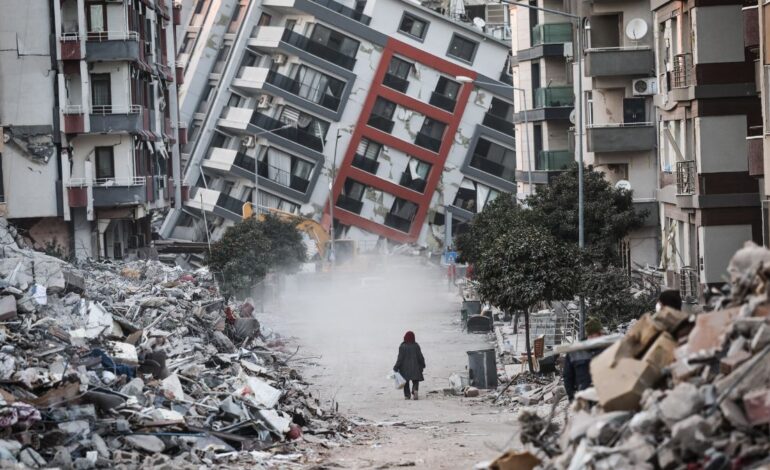

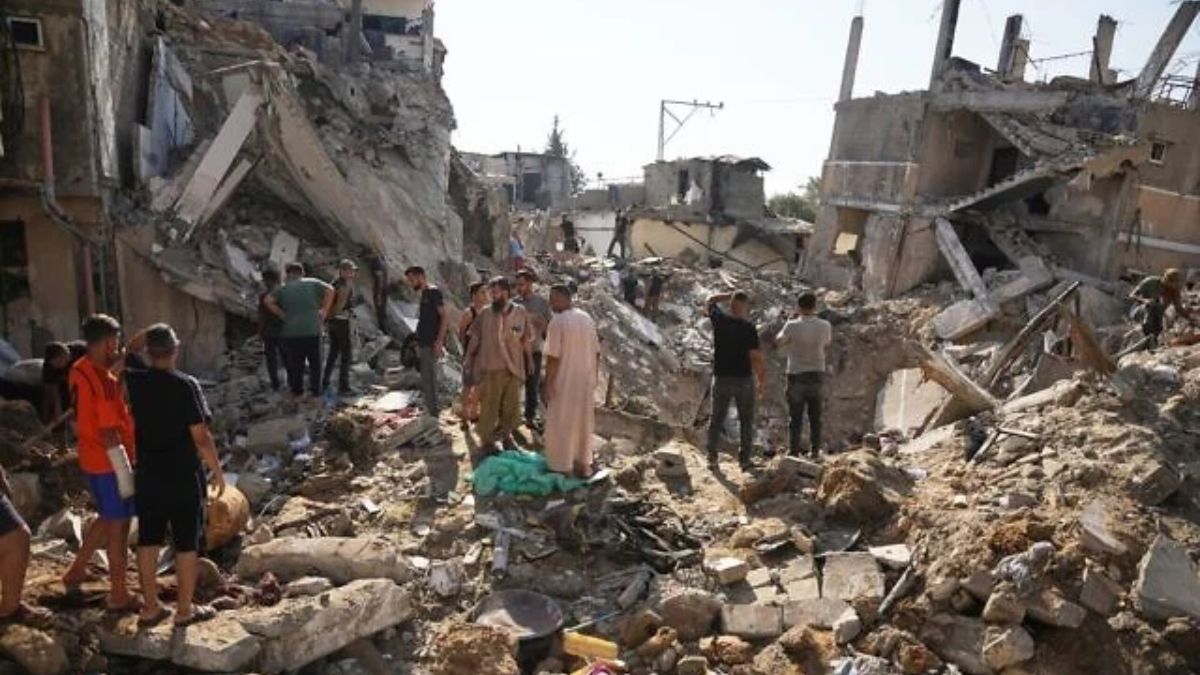
LONDON — A string of powerful earthquakes has dominated global headlines in recent weeks, from the devastating 7.4 magnitude tremor that struck Colombia on Monday, killing over 220 people and injuring thousands, to a 6.8 magnitude quake in Japan’s Kyushu Island on July 28, which claimed 34 lives. Venezuela, still recovering from two powerful earthquakes in June that killed more than 6,500 people, also felt the effects of the latest shock.
Despite the high-profile nature of these events, seismologists say the recent sequence is not unusual. On average, the world experiences about 16 major earthquakes (magnitude 7 or above) per year. “In the past 12 months, we’ve had 17 earthquakes bigger than magnitude 7, and none of those have been bigger than magnitude 8, so we’re really not that far from a so-called average year,” said Dara Goldberg, a research geophysicist with the US Geological Survey’s National Earthquake Information Center.
The USGS notes that while the number of recorded earthquakes has increased, this is due to more seismic instruments being deployed, not an actual increase in seismic activity. What has been unique about this recent sequence is the direct human impact, with several quakes striking near populated areas.
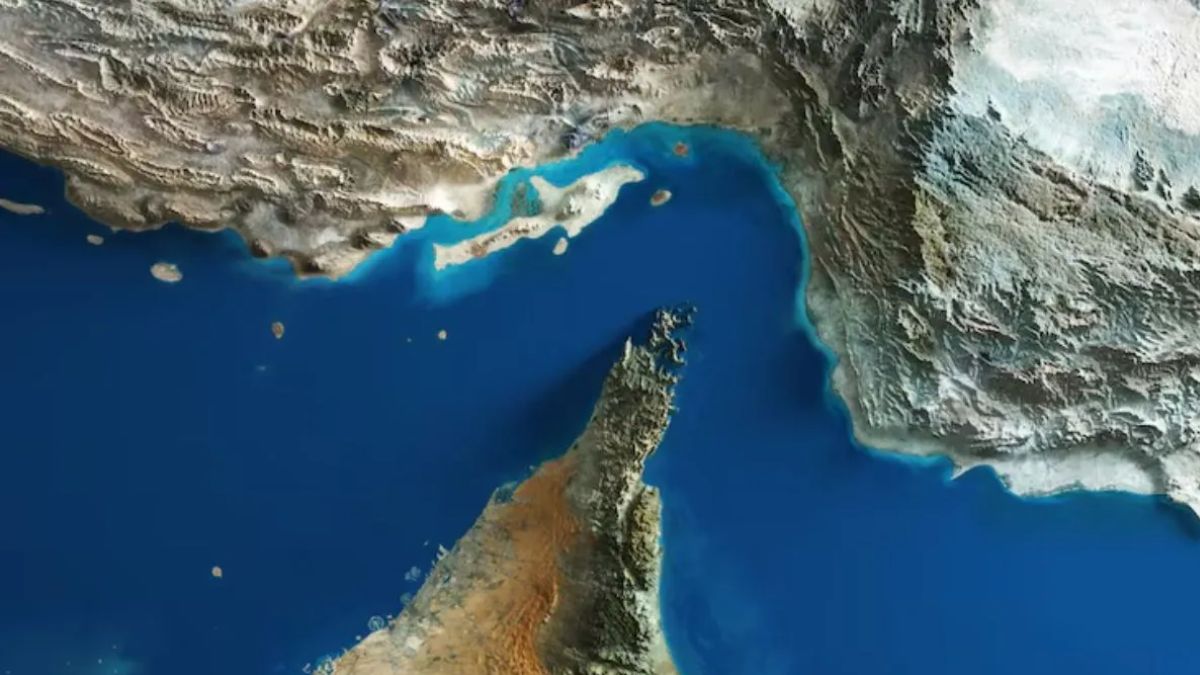
The Arabian plate, which includes the Arabian Peninsula, is surrounded by faultlines and has experienced its share of earthquakes. However, a 2022 study by King Abdullah University of Science and Technology found the plate to be “remarkably tectonically stable.” While the region has seen clusters of activity, particularly around the Gulf of Aqaba and a notable 5.7 magnitude “seismic swarm” in Umluj in 2009, the Kingdom itself has recorded relatively few significant earthquakes. The USGS database shows that in the past half-century, Saudi Arabia has experienced only about 25 relatively minor earthquakes, with no reported casualties or major damage.
The largest-ever recorded earthquake, a magnitude 9.5 event, struck Chile in 1960, but seismologists note that the geological faults required to generate a “megaquake” of magnitude 10 or higher simply do not exist on Earth. While the Middle East lies near several tectonic boundaries, experts emphasize that the region is well-monitored and that preparation is key to mitigating risk.
Also Read:
16 Bangladeshi Expats Killed in Saudi Arabia Factory Fire
Intel Eyes $15 Billion Share Sale as Turnaround Gains Momentum