


Oil and Non-Oil Sectors Drive Saudi Economy to New Heights

Saudi Arabia’s economy is demonstrating robust resilience despite regional geopolitical tensions, with clear signs of expansion across the Purchasing Managers’ Index, labor markets, consumer spending, and equity markets. The Kingdom’s first-quarter real GDP growth of 2.8 percent reflects a diversified economy increasingly capable of sustaining expansion even as energy sector output faces short-term constraints.
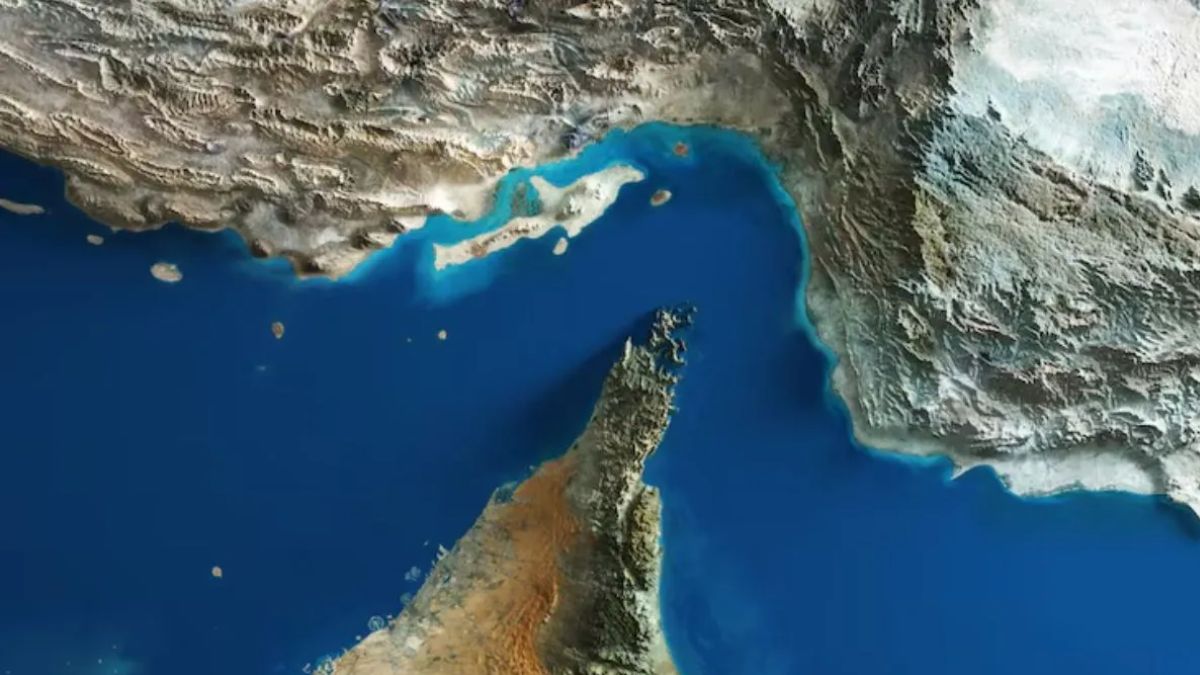
The recovery is particularly notable given the disruption caused in March by regional military tensions that closed airports, suspended port operations, and triggered financial market volatility. The rapid rebound of the PMI to 51.5 in April from 48.8 in March signals that business confidence has recovered and private sector momentum has returned.
Diversification Delivering Results
Real GDP expansion in the first quarter was driven by growth across all economic segments. Non-oil activities expanded 2.8 percent year-on-year, matching overall growth rates. Oil activities recorded a 2.3 percent increase despite lower production. Government activities grew 1.5 percent. This balanced growth across sectors validates Saudi Arabia’s Vision 2030 diversification strategy, which explicitly aims to reduce dependence on crude revenues.
The International Monetary Fund projects Saudi Arabia’s economy will grow 3.1 percent in 2026, attributing the expansion to continued domestic strength and reforms aimed at broadening the economic base. This forecast suggests that resilience observed in the first quarter is likely to persist through the remainder of the year.
Consumer Confidence Remains Intact
Consumer activity strengthened considerably in the first quarter, with total spending reaching SR150 billion in March, up from SR133 billion in February and SR141 billion in January. The quarter-over-quarter improvement reflects sustained confidence despite global economic uncertainties and regional tensions.
E-commerce transactions demonstrated particularly robust growth at 28.4 percent, reflecting a structural shift in consumer preferences toward digital commerce. Point-of-sale transactions increased 0.7 percent, signaling that even traditional retail maintains customer engagement. Together, these trends undercore Saudi Arabia’s ongoing transition toward a cashless economy, a core Vision 2030 objective.
The resilience of consumer spending provides crucial support to non-oil economic activities and validates assumptions about continued domestic demand driving economic expansion.
Labor Market Strengthening
The Kingdom’s labor market showed significant improvement in the fourth quarter of 2025. The Saudi unemployment rate declined to 7.2 percent from 7.5 percent in the previous quarter. The broader unemployment rate for the working-age population aged 15 and above stood at 3.5 percent—exceptionally low by international standards.
Female unemployment declined particularly sharply to 10.3 percent, down 1.6 percentage points from the fourth quarter of 2024. This improvement reflects both general labor market strength and specific initiatives focused on female participation in the workforce.
Registered employees under the Social Insurance Scheme reached 13.67 million by year-end 2025, indicating substantial formal sector employment. The combination of declining unemployment, rising formal employment, and improving female participation suggests the labor market is providing genuine support for economic expansion and household income growth.
Price Stability Supports Purchasing Power
Consumer price inflation remained moderate at 1.7 percent year-on-year in April, providing confidence that purchasing power is being preserved. Monthly inflation was minimal at 0.2 percent, indicating stable pricing across the economy. The housing, water, electricity, and fuel category remained the largest inflation contributor at 3.8 percent annually, driven primarily by a 4.8 percent increase in actual housing rents.
Wholesale prices expanded more notably at 3.3 percent year-on-year, largely due to transportation goods inflation. However, even this measure remains within normal ranges for a growing economy.
Real Estate Sector Faces Headwinds
The real estate sector, which had shown strength in earlier quarters, cooled considerably in Q1 2026. Commercial property transaction values fell 68 percent year-on-year, while residential transaction values declined 66 percent. The residential property price index fell 3.6 percent, though rental indices continued rising.
This apparent contraction likely reflects a base-year effect from strong activity in Q1 2025, rather than fundamental weakness. However, it suggests that property market enthusiasm has moderated from peaks reached earlier.
Equity Markets Show Resilience Despite Volatility
The Tadawul All Share Index slipped 0.6 percent in April amid profit-taking and regional tensions, but the broader picture remains positive. Year-to-date, TASI has gained 6.6 percent through the first four months of 2026, positioning Saudi Arabia as the second-best-performing market in the Gulf Cooperation Council region after Oman’s 42.7 percent surge.
Software, services, and pharmaceutical sectors emerged as top performers, indicating that investor interest remains focused on diversified economic activities. The parallel Nomu market gained 0.8 percent in April, suggesting strength in smaller-cap opportunities.
The Fiscal Picture
Government finances show mixed signals. Total revenue fell 1 percent year-on-year to SR261 billion in Q1, with oil revenues declining 3.4 percent. However, total expenditure surged 20 percent to SR387 billion, resulting in a quarterly deficit of SR126 billion. Public debt stood at SR1.667 trillion, equivalent to 33.6 percent of GDP—a manageable level.
The divergence between declining revenues and rising expenditure reflects government’s strategic choice to invest in Vision 2030 projects and support economic activity during a period of lower oil production. This countercyclical fiscal approach represents a deliberate policy decision to sustain growth rather than contract during commodity weakness.
Looking Ahead
Saudi Arabia’s economic performance demonstrates that structural diversification efforts have created sufficient non-oil momentum to sustain expansion even when energy sector output faces constraints. Private sector confidence is recovering, consumer spending remains resilient, labor markets are improving, and inflation is controlled.
Analysts note that the combination of recovering private-sector confidence, controlled inflation, and ongoing structural reforms provides a stable foundation for continued expansion through 2026. The Kingdom’s economy appears to have successfully transitioned from one dependent on oil sector cycles toward one capable of sustained growth driven by diversified economic activities.
Also Read:
Humanoid and Bosch Join Forces to Accelerate Robot Production
Authorities Recover Bodies of Last Two Italian Divers Missing in Maldives