




How Middle East Conflict and Hormuz Closure Are Boosting the US Dollar
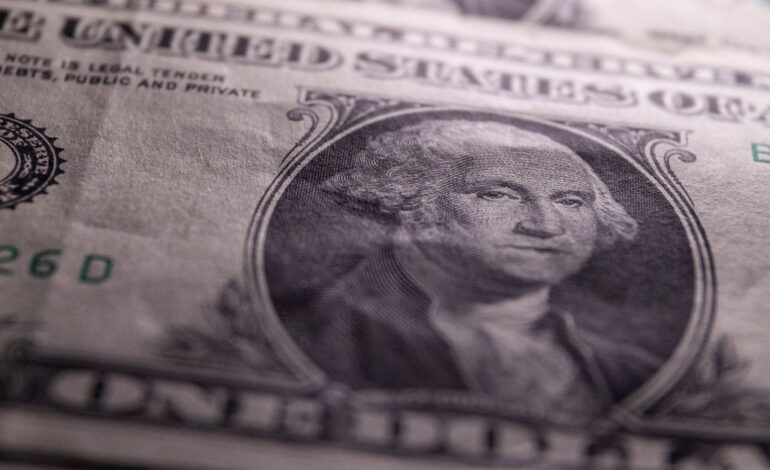

SINGAPORE — The US dollar jumped against most major currencies on Monday as renewed Middle East conflict fanned inflation fears and strengthened expectations of interest rate hikes.
The dollar rose 0.1 percent against the yen to 161.92, while the euro weakened 0.1 percent to $1.1403 and the British pound slipped 0.1 percent to $1.3383. The Australian and New Zealand dollars also lost ground.
The currency moves came after US and Iranian forces exchanged heavy missile and drone assaults over the weekend, with Tehran targeting US facilities across the Gulf and saying it had again closed the vital Strait of Hormuz. Oil prices rose in response, with Brent crude futures up 3.3 percent at $78.49 a barrel.
“After the flare-up into the end of last week which continued over the weekend, the dollar has responded, and the crude oil price has been the driver,” said Tony Sycamore, market analyst at IG in Sydney. “This reinflames concerns that if energy prices rise from here, we could start to see rate hikes pulled forward.”
Fed Rate Expectations
Traders are now pricing an implied 52.1 percent probability of two or more rate hikes from the Federal Reserve by December, up from 47.6 percent on Friday, according to CME Group’s FedWatch tool. The US dollar index held steady at 101.07 after rising as much as 0.2 percent from Friday’s close.
Inflation risks are likely to remain in focus this week, ahead of US CPI data on Tuesday, PPI gauges on Wednesday, and Fed Chair Kevin Warsh’s testimony before Congress.
Central Bank Outlook
The Bank of Japan may revise up its economic growth forecast for fiscal 2026 and keep its focus on inflation risks, as rising costs from a weak yen and strong demand offset some of the declines in oil prices, sources told Reuters.
In cryptocurrencies, bitcoin fell 0.6 percent to $63,770, while ether slipped 1.1 percent to $1,801.
Also Read:
Abu Dhabi Strengthens Sustainable Construction with Updated Cooling Design Standards
Digital Payments Fuel Growth for 83% of Small Businesses in Egypt