



France Pushes for Emergency UN Meeting Over Lebanon Peacekeepers Crisis
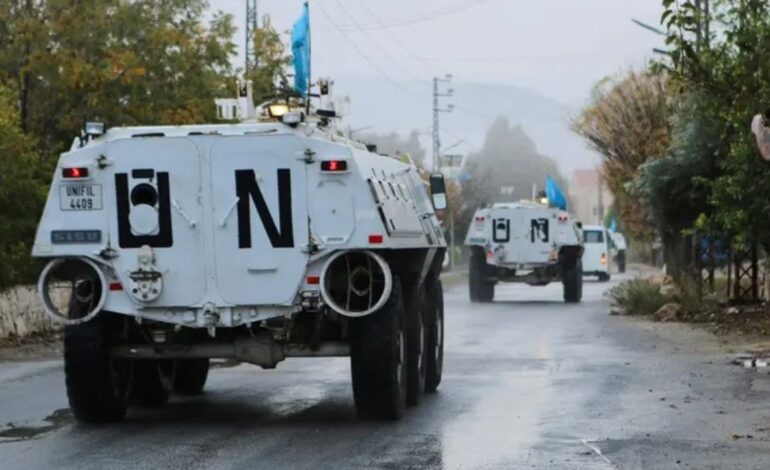

France has requested an urgent UN Security Council meeting after the death of three peacekeepers serving with UNIFIL in Lebanon. The deaths represent a significant escalation in the conflict between Israel and Hezbollah and have triggered strong diplomatic reactions. France has condemned the deaths in the strongest terms and conveyed its anger to the Israeli ambassador in Paris. The incident threatens the role of international peacekeepers and raises questions about the broader Middle East conflict.
The Incident
Three UNIFIL peacekeepers were killed in two separate incidents in southern Lebanon. UNIFIL, the United Nations Interim Force in Lebanon, has been deployed in southern Lebanon since 1978 to monitor border security and maintain stability.
The deaths were caused by gunfire. The circumstances surrounding each incident remain unclear, but France has made clear that it holds Israel responsible. The deaths represent a direct threat to international peacekeeping operations in the region.
Beyond the deaths, France reported serious incidents involving the French contingent in UNIFIL in the Naqura area on Sunday. These incidents suggest a broader pattern of military operations in areas where international peacekeepers are deployed.
The loss of peacekeeping personnel is a significant concern in international relations and raises questions about the safety and effectiveness of peacekeeping operations.
France’s Response
French Foreign Minister Jean Noel Barrot issued a strong statement condemning the deaths. France condemns in the strongest terms the gunfire that caused the deaths of three UNIFIL peacekeepers, Barrot said on the X social media platform.
France has requested an urgent UN Security Council meeting to address the incident. This reflects the seriousness with which Paris views the situation. An urgent session signals that the matter requires immediate international attention at the highest levels.
Barrot also condemned the serious incidents experienced by the French contingent in UNIFIL. He stated that France’s anger had been conveyed with utmost firmness to the Israeli ambassador in Paris. This direct diplomatic communication emphasizes the strength of France’s response.
France is a permanent member of the UN Security Council. Its ability to request urgent meetings and its role in Security Council decisions gives Paris significant diplomatic power. France’s request for an urgent meeting signals that it intends to push for formal international response.
The strength of France’s response reflects both its concerns about peacekeeping operations and its broader diplomatic interests in the Middle East.
The Broader Conflict Context
Israel and Hezbollah have been fighting in southern Lebanon as part of the widening Middle East war. This conflict represents a major escalation in the region. What began as tensions has evolved into direct military confrontation.
Southern Lebanon has long been a volatile region, with UNIFIL deployed there to monitor the Israel Lebanon border and prevent military escalation. However, the current conflict has undermined UNIFIL’s ability to maintain stability.
The deaths of peacekeepers during active military operations raise critical questions about the role and effectiveness of UN peacekeeping forces in conflict zones. When peacekeepers themselves become casualties, it suggests that military operations are occurring in areas where they are deployed.
The incident also raises questions about whether military parties to the conflict are respecting the presence of international peacekeepers. Under international law, peacekeepers should be protected by all parties to a conflict. Deaths of peacekeepers suggest violations of these protections.
The deaths must be understood within this broader context of escalating Middle East conflict.
UNIFIL and Its Role
UNIFIL was established in 1978 following the Israeli invasion of Lebanon. Its mandate is to confirm the withdrawal of Israeli forces, restore international peace and security, and assist the Lebanese government in restoring its authority.
The force has been deployed in southern Lebanon for nearly five decades. Over those decades, it has faced repeated threats and challenges. However, the deaths of peacekeepers represent a particularly serious incident.
UNIFIL includes personnel from many nations. The French contingent is one of several national forces serving under the UN mandate. The deaths of peacekeepers from any nation are a concern to all nations contributing personnel.
Peacekeeping operations depend on the consent and cooperation of all parties to a conflict. When incidents occur that threaten peacekeepers, it raises questions about whether that consent and cooperation continue to exist.
The deaths of UNIFIL personnel threaten the entire peacekeeping operation and the principles upon which it is based.
International Implications
The incident has implications for international law and the protection of peacekeeping personnel. Nations contributing to UN peacekeeping operations expect that their personnel will be protected by all parties to a conflict.
The deaths may affect other nations’ willingness to contribute personnel to future peacekeeping operations. If nations view peacekeeping as dangerous and their personnel as unprotected, recruitment and deployment of peacekeepers becomes more difficult.
The incident also raises questions about the effectiveness of UN peacekeeping more broadly. If peacekeepers cannot maintain stability and their own personnel die, questions arise about whether peacekeeping operations serve their intended purpose.
France’s response, including the request for an urgent UN Security Council meeting, suggests that Paris intends to push for accountability. This could include calls for investigations, compensation, or changes in how peacekeeping operations are conducted.
The incident will likely be debated intensely at the UN Security Council in coming days.
The Road Ahead
France’s request for an urgent UN Security Council meeting will likely occur within days. At that meeting, France will present its case and call for action. Other Security Council members will respond according to their own interests and relationships with the parties involved.
Key questions include whether there will be calls for an investigation into the deaths. Whether there will be demands for accountability from Israel. Whether the Security Council can agree on a response given the complex geopolitical dynamics in the Middle East.
The incident also raises questions about UNIFIL’s future. Will it continue its operations? Will it be reinforced? Will nations withdraw personnel? Will its mandate be adjusted?
The deaths of three peacekeepers represent more than a tragedy for those individuals and their families. They represent a crisis for international peacekeeping and for the UN’s role in managing regional conflicts.
How the international community responds to this incident will have implications far beyond Lebanon.
The deaths of UN peacekeepers strike at the heart of international efforts to maintain peace. They raise fundamental questions about whether military parties to conflicts respect the presence and role of international peacekeepers. France’s demand for an urgent UN meeting reflects the seriousness of the situation and the need for swift international response.
Also Read:
Mideast Stocks in Focus: How Iran Tensions Are Impacting Gulf Markets
7 Powerful Ways to Reignite Passion and Energy in Your Business