




Meta Social Media Addiction Trial Ends With Historic $18 Billion Settlement

Meta agreed Wednesday to pay up to $18 billion and implement stronger child-safety measures across Facebook and Instagram, marking a landmark settlement that ended a trial over teen social media addiction and resolved claims filed by nearly every US state.
The agreement closes out a years-long legal effort to hold the tech giant accountable for the impact its platforms have had on children’s mental health, particularly features designed to capture and hold young users’ attention. California Attorney General Rob Bonta said the settlement institutes real change, real transparency, and real protections for children and teens nationwide.
Pending court approval, the deal will halt a wave of state litigation against Meta, though the company still faces lawsuits from individuals and school districts across the country. For participating states, the settlement provides funding for children’s mental-health programs, including after-school activities, summer programs, and digital literacy counselors. Advocates welcomed the new safeguards, which include default time limits and the removal of features like visible “like” counts. Still, Sacha Haworth, executive director of The Tech Oversight Project, cautioned that lasting protection for children requires these measures to be mandated across every platform and made permanent — something only Congress can accomplish.
The settlement will be paid out over 10 years, with California receiving the largest share at a minimum of $1.5 billion, while several other states will collect hundreds of millions of dollars each over the decade. Virginia Attorney General Jay Jones said the agreement would end dangerous practices and deliver meaningful protection against online harm.
In a blog post, Meta said it was building on its existing efforts to support parents and teens, calling it an absolute priority to ensure young users have a safe experience on its platforms. The company said it partnered with state attorneys general to establish a new industry standard and called on competitors TikTok and YouTube to adopt similar safety measures.
The $18 billion settlement represents a small fraction of Meta’s 2025 revenue of $201 billion. Meta shares closed up about 1 percent Wednesday, having risen as much as 4 percent earlier in the day.
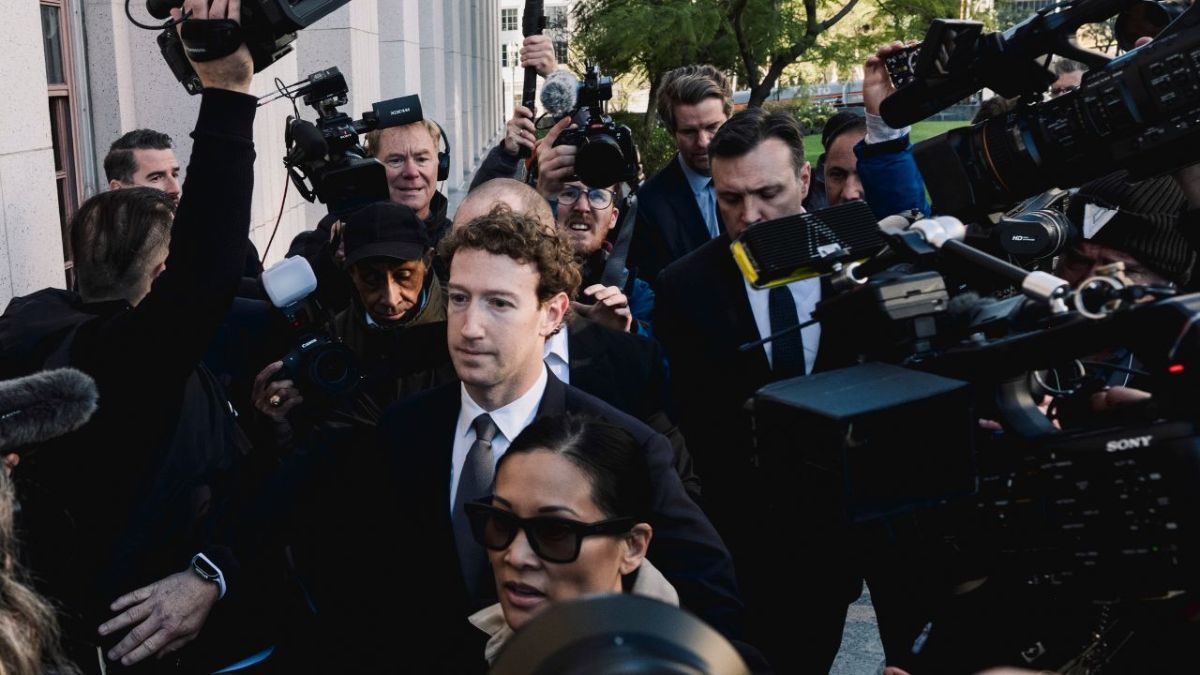
The agreement brings an early end to an ongoing federal trial involving California, Colorado, Kentucky, and New Jersey — among 29 states that sued Meta in 2023. The trial had begun just last week in Oakland, California, with Meta CEO Mark Zuckerberg expected to testify. The lawsuit alleged that Meta contributed to a youth mental health crisis by deliberately designing addictive platform features while concealing their effects from the public, and that the company violated federal law by collecting data from children under 13 without parental consent.
The settlement covers 48 states along with Washington, D.C., and several US territories. New Mexico, which already went to trial and won its case against Meta earlier this year, and Florida, whose attorney general said the settlement wasn’t tough enough, are the only two exclusions. Florida Attorney General James Uthmeier criticized the deal on social media, arguing the payout was minimal compared to the harm caused by Meta’s addictive features.
Under the settlement, Meta will introduce a range of new safety measures, including two-hour daily time limits for teens on Instagram and Facebook that can only be disabled with parental permission, along with built-in usage pauses. The company will also eliminate push notifications during weekday school hours, strengthen age-verification measures, and expand age-appropriate content controls aimed at reducing exposure to bullying and harmful material related to eating disorders and self-harm. Parental controls will become more robust and user-friendly, and features that encourage social comparison, such as “like” counts, will face new limits. An independent auditor will oversee how effectively Meta implements these changes.
Notably, 30 percent of the settlement — roughly $5.3 billion — will only be released to states if YouTube and TikTok adopt comparable safety features, including a one-hour daily time limit, a nighttime usage block, and age-assurance measures, and contribute an equal payment split between the two companies. Neither Google, which owns YouTube, nor TikTok responded to requests for comment. Meta declined to say whether it had discussed these conditions directly with competitors, but said the agreement was intentionally structured to encourage broader industry adoption. The company noted that some safety measures, such as disabling cosmetic surgery and extreme makeup filters, make sense regardless of what other platforms do, while others, like the overnight usage block, would be more effective if adopted industry-wide. Should competitors join the agreement, Meta said it would strengthen its own default time limits and extend its nighttime restriction window further.
The federal case stemmed from an investigation led by a bipartisan coalition of attorneys general from California, Florida, Kentucky, Massachusetts, Nebraska, New Jersey, Tennessee, and Vermont, following 2021 reporting by The Wall Street Journal that revealed Meta’s internal awareness of Instagram’s harmful effects on teen mental health and body image, particularly among girls. Since then, Meta has introduced several safety features, including dedicated teen accounts with stricter messaging and privacy protections. However, child-safety advocates and former employees have long argued these measures amount to little more than surface-level changes.
Arturo Béjar, a former Meta engineering director who testified in the Oakland trial last week, called the settlement a significant milestone but cautioned against viewing it as confirmation that Instagram is now safe for children. He pointed to a key concern: the agreement allows Meta itself to define what constitutes harm, arguing that limiting exposure to harmful content is not the same as eliminating the harm altogether.
Parents and advocates nonetheless welcomed the settlement as a moment of accountability. Victoria Hinks, whose daughter Alexandra “Owl” Hinks died by suicide at age 16, said she was satisfied with the terms as long as they are properly enforced. Speaking outside the Oakland courthouse, she said it finally felt like something meaningful had been accomplished, adding that she now believes justice is possible.
Also Read:
Gigi Hadid Previews the Latest Fall Styles From Guest in Residence