





How AI Technology Is Changing the Way Fans Watch FIFA World Cup Matches
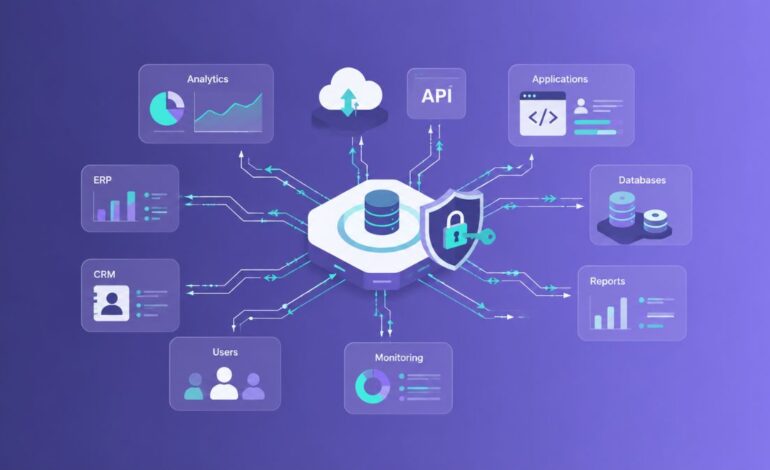

SHARJAH — When a striker steps up to take a decisive penalty at the FIFA World Cup, another race is unfolding far from the stadium. Within seconds, footage from the pitch travels through fiber-optic networks, processed by cloud platforms, analyzed by smart systems, and delivered to billions of screens worldwide.
For football fans, the experience feels effortless. A goal appears almost instantly on televisions, smartphones, and tablets, accompanied by live statistics, player tracking, and instant replays. But behind that experience is a vast digital ecosystem where every millisecond matters.
“It is a complete ecosystem. It is a journey from the pitch to the screen,” said Kamel Al-Tawil, Managing Director for MENA at Equinix. Sporting events rely on broadcasters, internet providers, cloud platforms, and interconnected data centers working together to move huge amounts of information across continents in real time. “If any part of that supply chain breaks, you don’t get the experience. You don’t want to watch a penalty five minutes after it happens.”
Data centers have become the “kitchen” of the digital world, where internet providers, cloud platforms, and content services come together before broadcasts are delivered from facilities closest to viewers, minimizing delays even when millions tune in simultaneously. Smart systems have become equally central to the viewing experience, powering technologies such as VAR while analyzing player movements, ball speed, and possession statistics that now form part of modern football broadcasts.
But while fans focus on the action, cybercriminals are watching, too. “Where you see a crowd, you will also find criminals,” said Dr. Claude Fachkha, cybercrime expert at the University of Dubai. Global sporting events create attractive targets because they combine massive online audiences, valuable digital infrastructure, and millions of financial transactions within a short period. “Attackers are after money, personal information, or simply the opportunity to damage an organization’s reputation.”
Among the biggest threats are distributed denial-of-service attacks designed to overwhelm online services, fake streaming websites created to steal passwords, phishing campaigns targeting eager fans, and attempts to disrupt the digital infrastructure supporting live broadcasts. “People are excited. They want to watch the match immediately, so many click the first streaming link they find without checking whether it is legitimate,” Fachkha said. “That is exactly what attackers are counting on.”
To prevent disruptions, broadcasters and technology providers build several layers of resilience into their infrastructure. If one server is overwhelmed or compromised, traffic can be automatically redirected to backup systems, allowing streams to continue with little or no interruption. Smart monitoring tools are helping security teams respond faster by continuously analyzing network traffic and flagging unusual behavior in real time.
“Smart tools don’t get tired,” Fachkha said. “They can monitor systems 24 hours a day, seven days a week.” He cautioned, however, that human oversight remains essential. While technology can rapidly identify anomalies, it can also generate false positives or miss genuine threats. “You still need people making the critical decisions.”
Every pass, every save, and every goal may be decided on the pitch. But ensuring billions of fans can witness those moments without interruption is a game of its own, played across thousands of servers, countless kilometers of fiber-optic cables, and security operations centers working around the clock—long before the final whistle blows.
Also Read:
South Korea, US Military Drills to Strengthen Readiness Against North Korea