




Middle East Oil and LNG Cargoes Leave Hormuz for Asian Markets
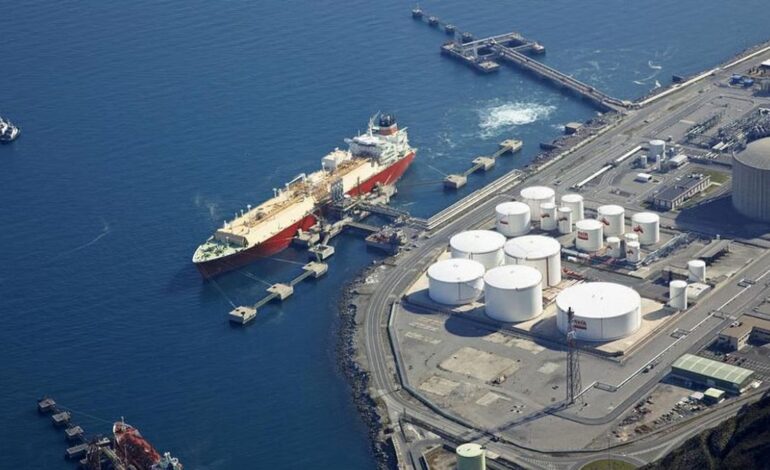

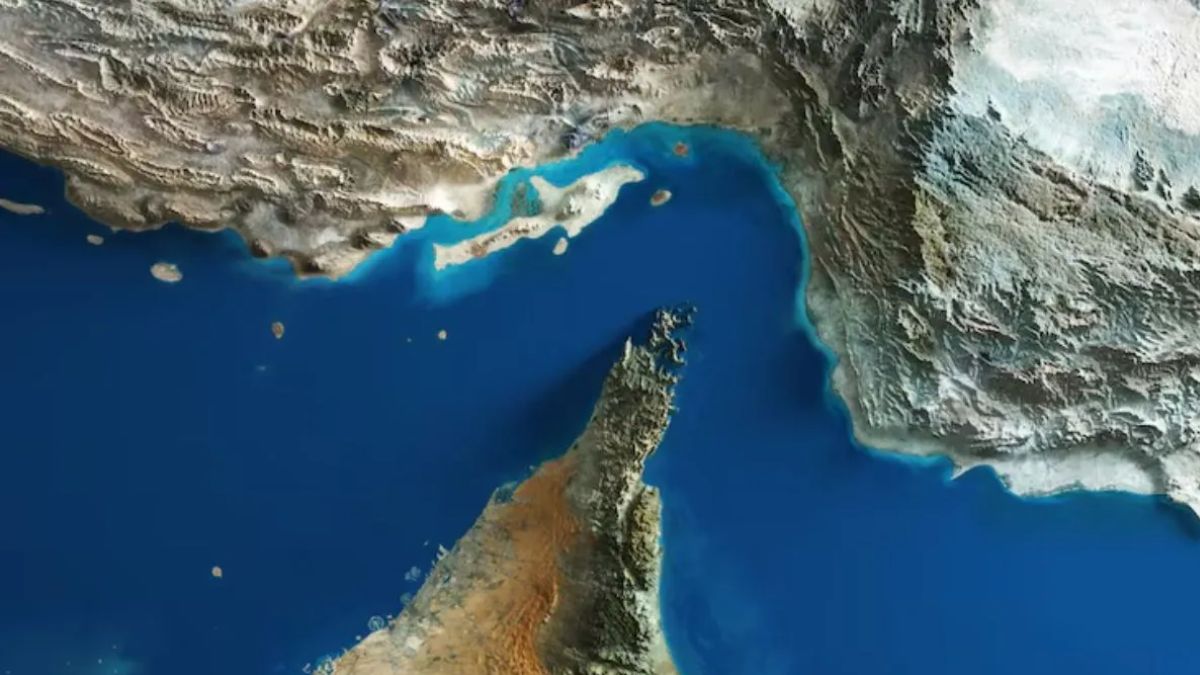
Long-stalled energy shipments are finally beginning to move through the Strait of Hormuz, as an LNG tanker heads toward Pakistan and a crude oil superta nker that sat idle for nearly three months departs for China. The resumption of limited shipping through the critical waterway signals the first tangible signs of easing in one of the world’s most severe energy supply disruptions.
The LNG tanker Fuwairit crossed into the Strait of Hormuz on Monday, heading to Pakistan with cargo loaded at Qatar’s Ras Laffan port in late March. The Singaporean-flagged VLCC Eagle Verona exited the strait on Saturday with nearly 2 million barrels of Iraqi crude, expected to reach Ningbo port in eastern China on June 12. The vessel had been stranded in the Gulf for nearly three months after loading its cargo in late February.
These movements represent the first substantial cargo movements since the US-Israeli war against Iran began February 28, dramatically curtailing shipping through one of the world’s most critical energy chokepoints.
A Critical Shipping Route Under Siege
The Strait of Hormuz normally handles approximately one-fifth of the world’s oil supply and a significant portion of globally traded liquefied natural gas. Before the conflict, shipping traffic through the strait averaged 125 to 140 daily passages. The conflict has reduced this to a trickle, creating one of the most severe energy supply disruptions in decades.
The handful of vessels now transiting the strait are using Iran’s designated shipping route, an arrangement that has enabled resumption of extremely limited cargo movements. Last week, three additional Very Large Crude Carriers departed for Chinese and South Korean ports carrying 6 million barrels of crude combined, suggesting that a tentative resumption of shipping is beginning.
The Human Cost of Disruption
Beyond the global energy implications, the blockade has created a humanitarian crisis for shipping crews. Approximately 20,000 seafarers remain stranded in the Gulf, trapped aboard hundreds of vessels unable to transit the strait. These crews have spent months separated from families and facing uncertainty about when they might be able to leave. The resumption of even limited vessel movement offers hope that the stranded seafarers may eventually be able to proceed.
Economic Implications
The movement of the Eagle Verona and Fuwairit carries significance beyond their individual cargoes. Sinopec, Asia’s largest refiner, chartered the Eagle Verona, indicating that major Asian energy purchasers are attempting to secure supplies despite the disruption. Mitsui O.S.K. Lines, operating the LNG tanker, represents Japanese interest in maintaining LNG supply chains at a time of significant energy uncertainty.
The roughly 2 million barrels aboard Eagle Verona represents energy that Chinese refineries have been without for months. Similarly, the LNG destined for Pakistan addresses energy constraints in South Asia. The resumed shipments suggest that despite ongoing geopolitical tensions, commercial imperatives are creating sufficient pressure to allow limited energy trade.
Supply Chain Stress Remains
While the movement of these vessels is encouraging, the overall situation remains dire. The scale of resumption—two vessels in a week—is infinitesimal compared to normal Hormuz shipping traffic. With between 125 and 140 daily passages normal before the conflict, current levels represent perhaps 1-2 percent of typical throughput.
Global energy markets have adjusted to the supply disruption through a combination of strategic reserve releases, demand reduction, and acceptance of higher energy prices. However, extended continuation of the blockade could create serious energy shortages, particularly in countries dependent on Middle Eastern supplies.
The Path Forward
The appearance of these vessels suggests either improving conditions in the strait or at least growing acceptance by parties involved that some limited commercial shipping must be permitted. Whether this represents a genuine easing of tensions or a temporary arrangement allowing sporadic cargo movements remains unclear.
For energy markets that have been operating under assumption of continued severe disruption, any resumption of shipping through the Strait of Hormuz carries significance. The movement of the Eagle Verona and Fuwairit, while modest in absolute terms, represents the first meaningful indication that the global energy supply chain’s most critical chokepoint may be beginning to function again at some limited capacity.
Global attention will focus on whether these isolated vessel movements represent the beginning of normalized shipping patterns or continue as rare exceptions to a largely-blocked waterway. The answer will significantly shape global energy prices and availability for months to come.
Also Read:
Humanoid and Bosch Join Forces to Accelerate Robot Production
Authorities Recover Bodies of Last Two Italian Divers Missing in Maldives