




How ChatGPT Integration Is Changing PowerPoint Workflows

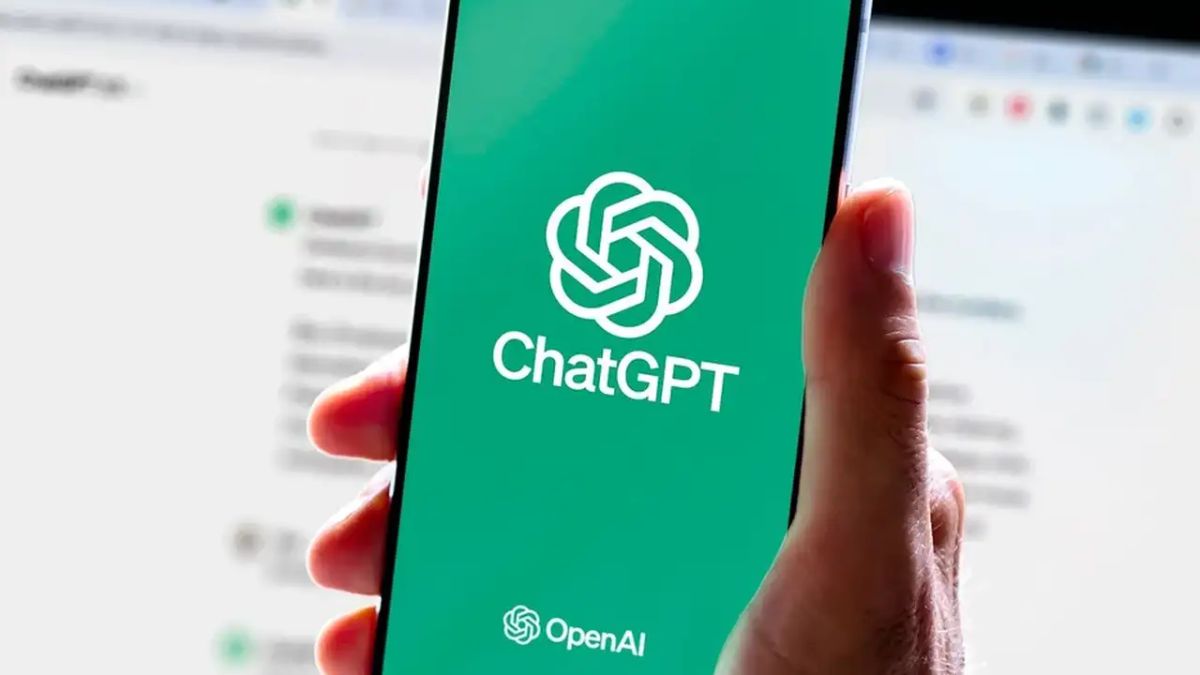
OpenAI has extended ChatGPT’s reach into Microsoft PowerPoint, allowing users to create, edit, and update presentation slides through natural language commands. The feature, now in beta but available to most users including those on free accounts and corporate ChatGPT Business subscribers, represents another step in automating tasks previously requiring manual work.
The integration works by accepting text prompts—simple descriptions of what you want a slide to contain—and generating appropriate slides based on that input. The system can also pull relevant information from connected services including Gmail, Outlook, and SharePoint, allowing presentations to incorporate material from email threads, calendar events, or shared documents without manual copying and pasting.
Competitive Convergence
PowerPoint’s addition of this functionality fills a gap in OpenAI’s enterprise tool coverage. The company already offers ChatGPT integration in Microsoft Excel and Google Sheets, allowing spreadsheet work to be handled through conversational commands. But presentations remained notably absent from the expanding ecosystem.
The delay gave competing platforms time to establish similar capabilities. Anthropic’s Claude chatbot has offered presentation-generation features since September, while Google’s Gemini integrates directly with the company’s Slides platform. OpenAI’s entry into the presentation space represents a recognition that these tools have become expected features in the competitive market for productivity enhancement.
The IPO Calculus
The timing of PowerPoint integration reflects broader strategic considerations. OpenAI is reportedly preparing for a significant public market debut that could value the company extraordinarily highly. In this context, expanding feature parity with competitors becomes essential. The broader the range of capabilities OpenAI can offer, the more defensible its market position becomes for investors evaluating the company’s long-term competitive standing.
By mirroring capabilities that Anthropic and Google have already demonstrated, OpenAI signals that it can match competitors across multiple productivity domains. This matters for investor confidence in the company’s ability to capture value across different use cases and user segments.
Workflow Implications
For presentation creators, the ChatGPT integration potentially streamlines workflows significantly. Rather than manually designing slides, selecting images, structuring content, and formatting layouts, users can describe what they want in conversational language and let the system generate initial slides. Editing becomes a matter of prompting adjustments rather than manually redesigning.
The ability to pull information from connected services means presentations can reference email discussions, calendar context, or shared documents without manual transcription. A presentation about a project might automatically incorporate relevant material from the project’s email thread or shared folder.
The Creation-Automation Trade-off
The convenience is apparent. Users save time on manual design and assembly work. But the integration also raises questions about what’s lost when slide creation becomes primarily a matter of describing what you want rather than designing it.
Presentation design involves choices about visual hierarchy, emphasis, and narrative flow—decisions that shape how audiences understand information. When those decisions are automated based on prompts, presentations may become more generic, following patterns the system has learned rather than reflecting specific design choices intended to emphasize particular points.
Adoption Across the Suite
The PowerPoint integration completes OpenAI’s coverage of Microsoft’s core productivity suite. With capabilities now spanning Excel, Sheets, and PowerPoint, the company offers a comprehensive automation layer across the tools most workers use daily. This breadth of coverage represents a strategic advantage: users who rely on multiple productivity applications face less incentive to switch to competitors if a single provider covers their entire workflow.
For Microsoft, which owns Office and maintains close partnerships with OpenAI, the integration reinforces the value proposition of the Office ecosystem. Companies investing in Office can now point to ChatGPT integration as an additional benefit of staying within the platform.
Beta and Beyond
The PowerPoint feature is currently in beta, meaning users should expect refinements and changes as OpenAI gathers usage data and user feedback. The company’s approach of making it available to both free and paid users suggests a strategy of maximizing adoption early, establishing the feature as a standard expectation before addressing premium features or more advanced capabilities.
As with many conversational interfaces for productivity tools, the real value will likely emerge as users learn what the system can do and develop workflows that take advantage of its capabilities. The initial appeal of “generate a presentation from a prompt” will probably evolve into more sophisticated use cases as both the technology and user understanding mature.
The integration of ChatGPT into PowerPoint represents the latest phase in a broader transformation: automation of knowledge work through conversational interfaces. Whether this makes presentations better or simply faster remains an open question—one that will likely be answered through sustained use across diverse presentation contexts and purposes.
Also Read:
The Strange New Way People Are Speaking to Gemini Online
Google Introduces Powerful AI Features for Faster Android Performance