
Senate Decision on Israel Arms Deal: What It Means for US Foreign Policy

WASHINGTON — The US Senate rejected two resolutions on Wednesday that would have blocked arms sales to Israel, but the votes revealed a growing divide within the Democratic Party over support for Prime Minister Benjamin Netanyahu’s government and the wars in Gaza, Lebanon, and Iran.
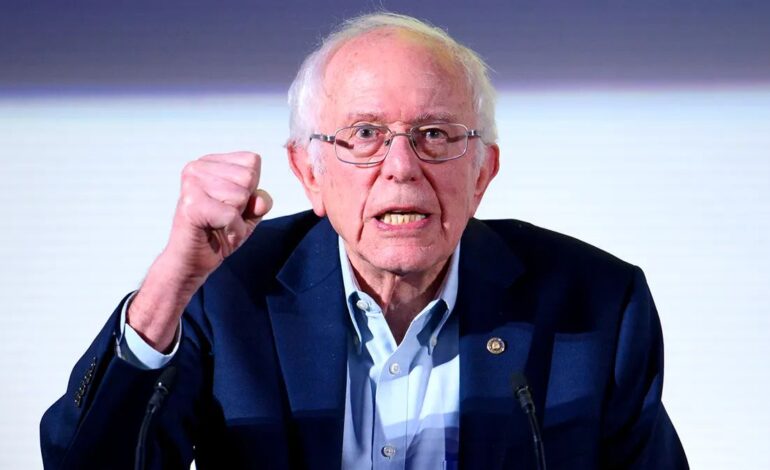
Vermont Senator Bernie Sanders, an independent who caucuses with Democrats, forced the votes on proposals to halt US sales of bulldozers and bombs to Israel. Both measures failed — 40‑59 and 36‑63 — with all Republicans opposed. Yet the number of Democrats backing Sanders has more than doubled since his similar efforts in 2024 and 2025, signaling a shift in party sentiment.
“It’s clear that Democrats are beginning to listen to the average American who is sick and tired of spending billions of dollars to support Netanyahu’s horrific wars when people in this country can’t afford housing or health care,” Sanders said after the vote.
Arizona Senator Mark Kelly, a Democrat who had opposed some of Sanders’ previous efforts, voted in favor this time. In a speech before the vote, Kelly cited “the reckless decisions being made by Prime Minister Netanyahu and President Trump” and pointed to the expanded war in Lebanon, ongoing violence against Palestinians, and home demolitions in the West Bank as factors undermining peace.
Democratic Senate Minority Leader Chuck Schumer and Senator Kirsten Gillibrand voted against the measures. Nearly 100 protesters were arrested on Monday during a demonstration outside their offices, led by the antiwar group Jewish Voice for Peace, calling on the New York senators to back Sanders.
Separately, the Senate rejected a resolution to halt Trump’s war in Iran by a vote of 47‑52. Democratic Senator Chris Coons, who voted against the Israel arms sales, said he supported ending the Iran war but did not want to abandon Israel. “My votes should be taken neither as an endorsement of the actions of the Netanyahu government nor as an abandonment of the state of Israel,” he said.
Republicans warned that blocking arms to Israel could embolden Iran. Senate Foreign Relations Committee Chairman Jim Risch said the resolutions “will not help the United States of America” and could “send the message that the US is prepared to leave our ally Israel vulnerable.”
The growing Democratic dissent, while not yet enough to change policy, signals mounting pressure on the Biden-Trump administration’s approach to the Middle East and could shape future foreign policy debates as the 2026 elections approach.
Also Read:
Why Enterprise Intelligence Is the Next Big Step for Growing Companies
How Three Key Priorities for Small Businesses in 2026 Can Drive Growth