





Civilian Deaths Reported After Russian Attack on Odesa Ahead of Easter Ceasefire
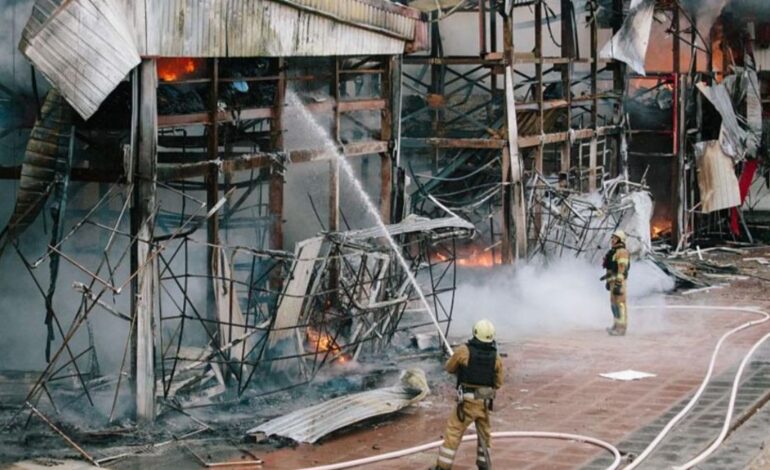

Russian drone attacks on Ukraine’s Black Sea port city of Odesa have claimed at least two lives and wounded two others, just hours before a proposed 32-hour ceasefire was scheduled to take effect over the Orthodox Easter weekend.
The Overnight Attack
The overnight drone strikes on Saturday targeted residential areas of Odesa, damaging apartment buildings, houses, and a kindergarten. Local authorities reported the casualties and destruction as Russian forces conducted what Ukrainian officials characterized as a final wave of attacks before the ceasefire was set to begin.
According to the Ukrainian Air Force, Russia launched 160 drones overnight, with Ukraine’s air defenses successfully shooting down or intercepting 133 of them. Russia’s Defense Ministry reported different figures, claiming 99 Ukrainian drones were shot down across Russian territory and occupied Crimea.
The Easter Ceasefire
Russian President Vladimir Putin declared a 32-hour humanitarian ceasefire beginning at 4 p.m. Saturday and lasting through Sunday. He ordered Russian forces to halt hostilities during the Orthodox Easter holiday period.
Ukrainian President Volodymyr Zelensky responded positively, stating Ukraine is ready to mirror any ceasefire steps. He had earlier proposed to Russia a mutual pause in attacks on each other’s energy infrastructure specifically over the Easter weekend.
A History of Failed Truces
The optimism surrounding the ceasefire must be tempered by history. Previous ceasefire attempts have had minimal impact on the conflict, with both sides consistently accusing each other of violations. The two nations have established a pattern of failed negotiations and broken agreements throughout the five-year war.
Kremlin spokesman Dmitry Peskov characterized Putin’s move as humanitarian but emphasized that Moscow remains focused on achieving a comprehensive settlement based on its longstanding demands—a fundamental disagreement that has prevented meaningful progress toward ending the conflict.
Prisoner Exchange Possibility
One area showing potential progress is prisoner exchanges. Russia’s human rights ombudswoman Tatyana Moskalkova stated last week that both sides are working on exchanging prisoners over the Easter holiday.
Periodic prisoner exchanges have represented one of the few concrete outcomes of otherwise unsuccessful months of US-brokered negotiations between Moscow and Kyiv. These exchanges have provided some relief to families separated by war, even as broader peace efforts have stalled.
The Broader Impasse
The fundamental obstacles to peace remain unresolved. Key issues preventing an end to Russia’s invasion have not been addressed through negotiations. The talks, brokered by the United States, have produced no progress on core disagreements about territorial control, security arrangements, and the terms of any potential settlement.
The conflict, now in its fifth year, continues to extract a civilian toll. The Odesa attack occurring just before a ceasefire announcement reflects the ongoing pattern of fighting and destruction that characterizes this prolonged war.
Looking Ahead
Whether the 32-hour Easter ceasefire holds remains uncertain. History suggests that even if the formal ceasefire is respected, the broader conflict will resume with no fundamental progress toward resolution. The prisoner exchanges expected during the holiday period may provide limited relief, but the core issues separating the two sides remain unaddressed.
The Easter ceasefire represents a humanitarian pause in a conflict that has devastated Ukraine’s civilian population, but without progress on underlying disputes, such pauses appear unlikely to translate into lasting peace.
Also Read:
Massive Washington Arch Plan Unveiled by Trump Administration
What Happens Next After Myanmar Junta Chief Is Sworn in as President?