



Victorian Tomb Prompts Fresh Questions About Colonial-Era Mindsets

The Burton Mausoleum in southwest London has reopened to the public after more than 70 years of limited access, but the restored monument to Victorian explorer Sir Richard Burton and his wife Lady Isabel now serves a purpose beyond housing their remains. It has become a platform for reframing how Britain confronts its colonial past and the legacies of its most celebrated imperial figures.
The tent-shaped sandstone structure, carved to resemble a billowing desert tent and adorned with Islamic and Christian iconography, underwent a two-year conservation project funded by the National Lottery Heritage Fund. But the physical restoration is less significant than the intellectual and cultural work now happening around the mausoleum.
A Complicated Legacy
Burton is celebrated in Britain as an intrepid adventurer and linguist who spoke 29 languages. His 1853 Hajj pilgrimage to Makkah and Madinah—accomplished by disguising himself as a Muslim pilgrim named Mirza Abdullah—remains his most famous exploit and the source of his contemporary cultural status.
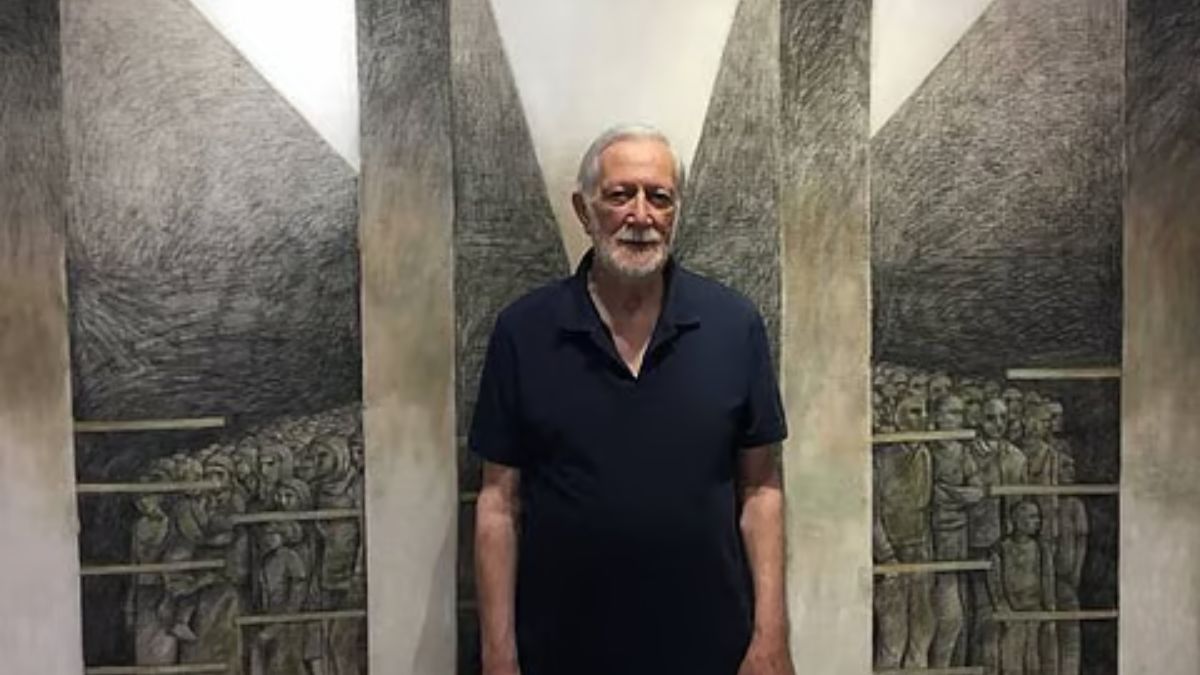
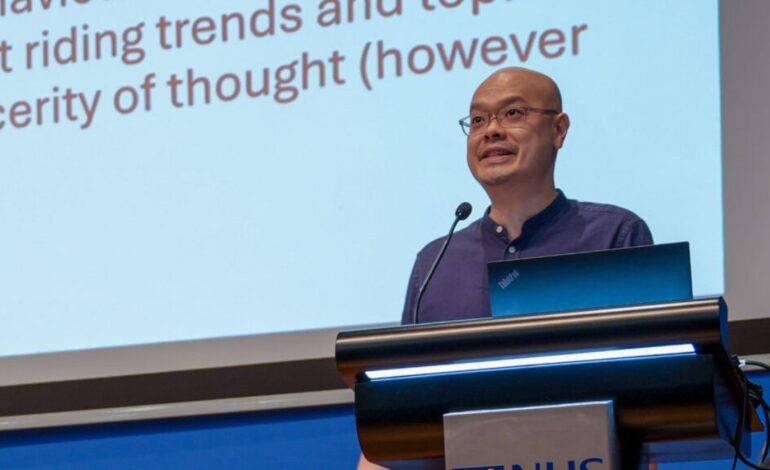
Yet this achievement that made Burton legendary in Britain is also what prompted historian and Muslim heritage specialist Tharik Hussain to work on the mausoleum project as its outreach and education officer. Rather than celebrating Burton’s infiltration as a feat of imperial daring, Hussain frames it as a violation deserving examination from the perspective of those affected.
Centering Alternative Perspectives
Through a lecture series titled “Burton and Islam,” Hussain has worked to reframe Burton’s Hajj for British audiences by centering what was violated rather than what was achieved. “The Hajj is considered an obligation by Muslims who believed it had been commanded by God,” Hussain explained. “This was not something to be taken lightly or treated as some imperial conquest.”
This reframing represents a significant shift in how cultural institutions address colonial history. Rather than treating Burton as an unambiguous hero, the mausoleum project uses him as a vehicle for discussing the British Empire, Victorian exploration, colonialism, and decolonization as ongoing historical processes. Most importantly, it centers the experiences of colonized peoples rather than celebrating the colonizers.
Educational and Community Engagement
The project has extended beyond lectures. The team has delivered workshops to primary, secondary, and post-16 students. A three-part documentary is in development, along with educational materials for schools and “Discovery Boxes”—physical items linked to the Burtons, Islam, and other cultures—for community use.
The breadth of the educational initiative signals that the mausoleum’s significance now lies less in commemorating Burton and more in using his legacy as an entry point for difficult historical conversations.
The Broader Context
Hussain emphasizes that this work is “particularly important in Britain, where the Burtons’ actions and legacy has never truly been viewed through the lens of the communities affected—descendants of the colonized and original cultures.”
In Britain today, descendants of those who benefited from the empire live alongside descendants of those who were colonized. This demographic reality makes the work of reframing historical narratives essential rather than merely academic. A society cannot progress toward genuine reconciliation when powerful institutions continue celebrating imperial conquest without acknowledging whose suffering funded that achievement.
Moving Beyond Celebration
The restored mausoleum is not, in Hussain’s framing, a celebration of Burton. Rather, it’s a prompt to “instigate difficult conversations many societies are struggling with about their past.” The positive reception to the project suggests audiences are ready for this reframing—that people want to understand history more completely, with all its complexity and harm intact.
The Burton Mausoleum has moved from being simply a tomb to becoming a space where Britain can interrogate its relationship with colonialism and imperial legacy. By centering the violated rather than the violators, it models how cultural institutions can honor historical truthfulness while respecting the dignity and experiences of those affected by the past.
Also Read:
Saudi REDF Releases $287 Million in Housing Support for May 2026