




Oman Records $665M Trade Surplus as Import Levels Increase
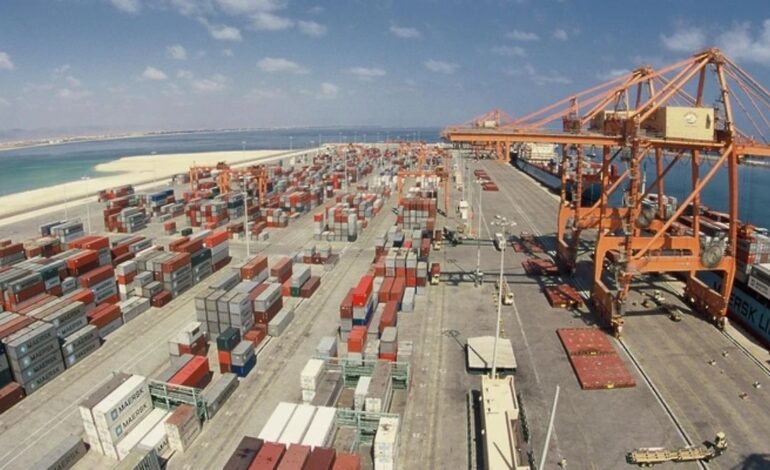

Oman’s trade surplus has narrowed significantly, declining to 256 million rials ($665 million) by January-end, marking a substantial drop from 528 million rials a year earlier. The shift reflects declining hydrocarbon exports and rising imports across the economy.
The Trade Picture
Merchandise exports fell 6.1 percent year-on-year to 1.83 billion rials, while imports climbed 10.9 percent to 1.58 billion rials, according to data from the National Centre for Statistics and Information. This widening gap between outgoing and incoming goods signals a changing economic landscape.
Oil and Gas Drag on Exports
The decline in overall exports stems directly from hydrocarbon shipments. Oil and gas exports dropped 15.9 percent to 1.109 billion rials in January 2026 compared to the same month last year. This decrease reflects both lower global energy prices and reduced production volumes.
However, non-oil merchandise exports showed resilience, rising 15.3 percent to 613 million rials. This diversification signal suggests Oman is building economic alternatives beyond traditional energy sectors.
Re-exports and Regional Trade
Re-exports also gained momentum, increasing 9.7 percent to reach 109 million rials. The UAE dominated non-oil exports at 141 million rials—a remarkable 54.8 percent jump year-on-year. Saudi Arabia followed as the second-largest destination for non-oil exports at 92 million rials, with South Korea coming in third at 77 million rials.
Import Dynamics
The UAE remained the largest source of imports at 442 million rials, followed by China at 213 million rials and India at 113 million rials. Rising imports suggest increased domestic demand and economic activity across various sectors.
Credit Ratings Remain Stable
Despite the narrowing surplus, S&P Global Ratings affirmed Oman’s “BBB-” sovereign credit rating in March with a stable outlook. The agency credited the nation’s improving fiscal position, noting resilience despite ongoing Middle East geopolitical tensions.
The data underscores Oman’s economic transition—moving away from energy dependence while strengthening regional trade ties, particularly with Gulf neighbors.
Also Read:
Fourth Suspect Arrested by UK Police in Jewish Ambulance Attack Case
Trump Targets Iran’s Bridges and Power Grid: Rising Tensions Explained