



Bangladesh Implements Austerity Measures: A Strategic Move for Economic Recovery
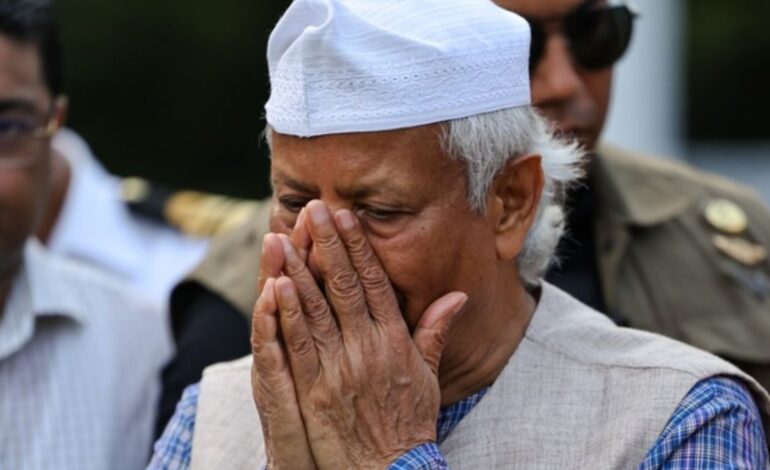

DHAKA — Bangladesh began implementing a series of austerity measures on Friday, cutting office hours and ordering early closures of malls and shops as the country grapples with an energy crisis linked to the ongoing war in the Middle East.
The cabinet has ordered a 30 percent reduction in spending on fuel and power across government offices. Officials have also suspended certain staff training programs and stopped purchases of new vehicles, ships, and aircraft. Decorative lighting for celebrations has been banned.
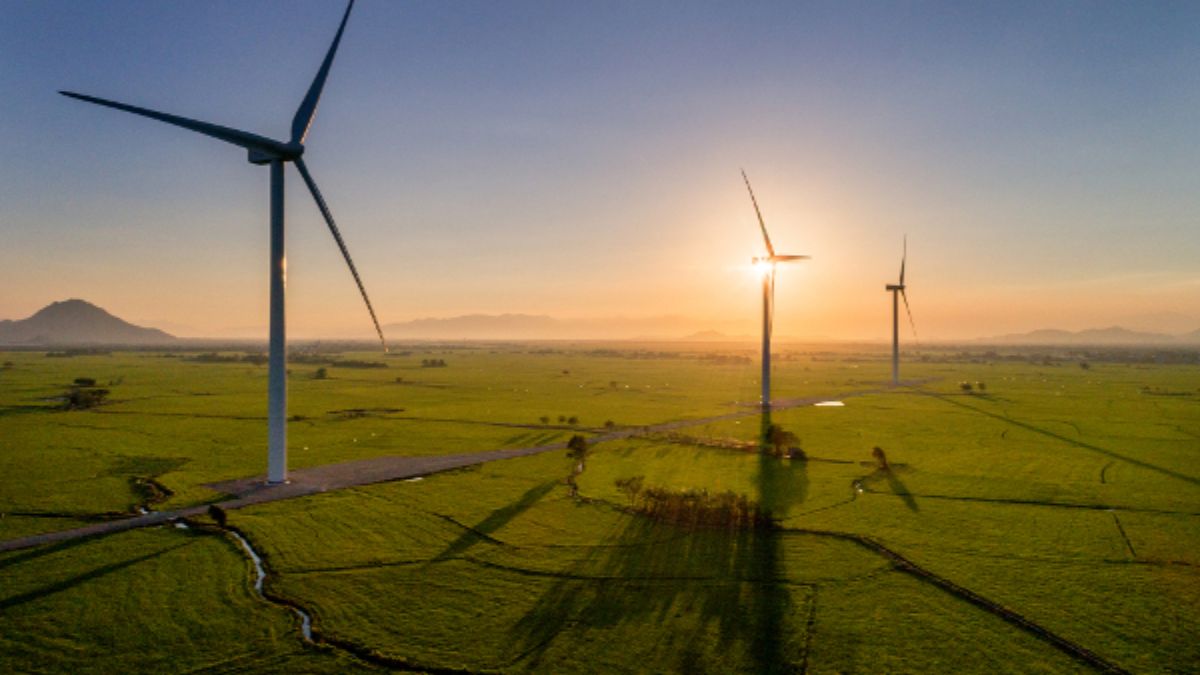
The measures come as Bangladesh, a nation of more than 170 million people, struggles to secure enough fuel to keep its economy running. The country relies on imports for 95 percent of its fuel needs, and global supply disruptions have hit hard.
Authorities are now seeking alternative fuel sources and have requested $2.5 billion in external financing to cover import costs. The energy shortage has already begun affecting daily life and business operations, prompting the government to act.
By reducing office hours, the government hopes to lower electricity consumption during peak times. Early closure of commercial establishments is expected to cut energy use in the retail sector, which has been a growing drain on the national grid.
The austerity push reflects a broader challenge facing many developing nations that depend heavily on imported energy. With global prices volatile and supply routes disrupted, Bangladesh is attempting to stretch its available resources while searching for longer-term solutions.
No timeline has been announced for how long the measures will remain in place. Officials say the situation will be reviewed regularly as the government works to stabilize the country’s energy supply and secure the financing needed to weather the crisis.
Also Read:
Why Trump Says Iran Will Be Hit Hard in the Coming Weeks
Greece Storm Update: One Dead After Powerful Weather Front Strikes