





Ukraine Drone Crash in Finland Sparks Global Attention and Official Apology
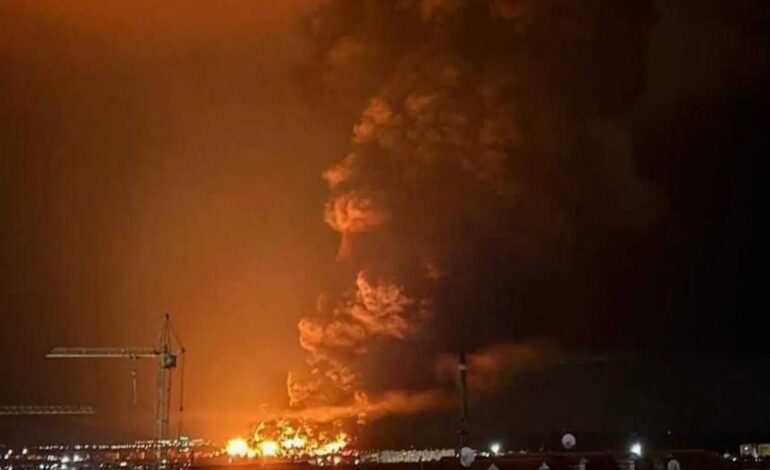

Ukraine said Monday it had apologized to Helsinki after two Ukrainian drones crashed in southern Finland over the weekend. Kyiv attributed the incident to Russian electronic warfare interference that knocked the drones off course. The incident has raised diplomatic concerns, though Finland has maintained its support for Ukraine. The crash highlights the broader conflict between Russia and Ukraine and the risks that fighting poses to neighboring nations.
The Incident
Two Ukrainian drones crashed in southern Finland over the weekend. One drone fell to the ground north of Kouvola, a city in southern Finland. Another drone fell east of Kouvola. The incidents occurred in Finnish territory, raising immediate diplomatic concerns.
Finland sent up an FA 18 Hornet fighter on an identification mission on Sunday following the incidents, the Finnish defense ministry said. The deployment of fighter jets indicates that Finland took the incidents seriously and wanted to assess what had occurred.
There is no indication that either drone caused significant damage or casualties in Finland. However, the fact that military hardware from an active combat zone entered Finnish airspace raised immediate questions about how such an incident could occur.
The incident raised significant diplomatic tensions despite Finland’s supportive stance toward Ukraine.
Ukraine’s Explanation
Ukrainian Foreign Ministry spokesman Georgiy Tykhy provided an official explanation on Monday. Under no circumstances were any Ukrainian drones directed toward Finland. The most likely cause is interference from Russian electronic warfare systems. We have already apologized to the Finnish side for this incident, Tykhy told reporters.
This explanation attributes the crash to Russian electronic warfare capabilities rather than Ukrainian error or malicious intent. Kyiv’s position is that Russia’s interference systems disrupted the drones’ navigation, causing them to veer off course and enter Finnish airspace.
Ukrainian President Volodymyr Zelensky discussed the incident with Finnish President Alexander Stubb. According to Zelensky, Alex and I see the situation in the same way. We are sharing all necessary information. This suggests that Finland accepts Ukraine’s explanation of the incident.
The prompt apology and diplomatic coordination between Ukraine and Finland appears to have prevented a serious diplomatic crisis. Finland, though a NATO member and EU member, has maintained strong support for Ukraine throughout the Russia Ukraine war.
Both countries appear to have contained the diplomatic fallout from the incident through quick communication.
The Broader Conflict Context
Moscow fires hundreds of drones at Ukraine in nightly barrages. Kyiv is increasingly retaliating with its own strikes targeting energy and military sites within Russia. This escalating drone war has become a central feature of the Russia Ukraine conflict.
Ukraine struck port facilities on the Russian coast in the Gulf of Finland close to Russia’s border with NATO and EU member Finland, several times last week. These strikes target Russian military and infrastructure capabilities and represent Ukraine’s effort to defend itself through offensive operations.
The proximity of these operations to Finland’s border creates a inherent risk that Ukrainian drones could stray into Finnish territory. The Gulf of Finland is contested space where Ukrainian and Russian forces operate near NATO airspace.
Russian electronic warfare systems are known to be sophisticated. The claim that such systems disrupted Ukrainian drone navigation is plausible. Russia has invested heavily in electronic warfare capabilities and uses them extensively throughout the conflict.
The incident reflects the dangers of a major conflict occurring near NATO borders.
Finland’s Position
Finland, which shares a long border with Russia, has been a strong supporter of Ukraine. Finland joined NATO in 2023, a direct response to Russia’s invasion of Ukraine. This decision ended Finland’s historical policy of military non alignment.
Finnish President Alexander Stubb is described as a staunch backer of Kyiv. His willingness to accept Zelensky’s explanation of the drone incident and coordinate directly demonstrates Finland’s commitment to supporting Ukraine despite the complications that can arise.
The incident tests Finland’s position as a NATO member bordering Russia. Finland must balance its support for Ukraine with its own security concerns. The intrusion of Ukrainian drones into Finnish airspace raises questions about how often such incidents occur and what risks they pose.
However, Finland’s acceptance of Ukraine’s explanation and its continued support for Kyiv suggests that a single incident will not significantly alter Finnish policy. The diplomatic coordination between Helsinki and Kyiv was smooth and professional.
Finland appears committed to maintaining its support for Ukraine despite the complications this can bring.
The Risks of Proximity
The incident highlights a fundamental risk in the Russia Ukraine conflict: that military operations conducted near NATO borders can spill over into NATO territory. As Ukraine conducts drone strikes closer to its border with NATO members, the likelihood of such incidents increases.
Ukraine operates in a defensive position and needs to strike Russian military targets to degrade Russia’s capacity for further attacks. However, the geographic proximity to NATO territories means that accidents or mishaps can create international incidents.
Russian electronic warfare capabilities add another layer of risk. If Russia can successfully interfere with Ukrainian drone navigation systems, Ukrainian drones may veer off course unpredictably. This creates dangers not just for Ukraine’s operations but for neighboring countries.
NATO and EU members bordering Ukraine face an unusual situation. They are supporting Ukraine against Russian invasion. But they are also adjacent to active military operations. The two drones in Finland illustrate the tensions inherent in this position.
As the war continues, such incidents are likely to recur.
Diplomatic Management
What is notable about this incident is how well it was managed diplomatically. Ukraine quickly took responsibility, offered an explanation, and apologized. Finland accepted the explanation and demonstrated continued support for Kyiv. The presidents of both countries coordinated directly.
This contrasts with how such incidents could be handled if they involved more hostile parties. A less strategic response could have escalated tensions or been used to drive a wedge between Finland and Ukraine.
The incident also did not result in casualties or significant damage. Had either drone caused injuries or property damage, the diplomatic fallout would have been more serious. The fact that both drones simply crashed without causing harm allowed for a more measured response.
The coordination between Kyiv and Helsinki provides a model for how incidents in conflict zones can be managed when both parties are committed to maintaining their relationship.
Diplomatic skill and good faith can prevent incidents from becoming crises.
Looking Forward
The drone incident in Finland is likely to be one of several such incidents as the Russia Ukraine war continues. The proximity of the conflict to NATO borders, combined with the use of long range drones and electronic warfare systems, creates inherent risks.
NATO members bordering Ukraine will need to develop protocols for handling such incidents. Clear communication channels between NATO members and Ukraine can help prevent misunderstandings from escalating.
The incident also demonstrates the sophistication of modern warfare. Drones, electronic warfare, and precision strikes have become central to military operations. The ability to disrupt these systems through electronic interference shows that the conflict involves not just kinetic military operations but also electronic and cyber dimensions.
The drone incident in Finland appears to have been successfully contained through diplomatic coordination and good faith between Kyiv and Helsinki.
Incidents that could have become diplomatic crises have been successfully managed through direct communication and mutual understanding. Ukraine’s quick apology and explanation, combined with Finland’s acceptance and continued support, demonstrates how strategic relationships can withstand complications. However, as the war continues near NATO borders, such incidents may become more frequent. Maintaining good communication and shared understanding will be essential.
Also Read:
Mideast Stocks in Focus: How Iran Tensions Are Impacting Gulf Markets
7 Powerful Ways to Reignite Passion and Energy in Your Business