





Romania Reports Drone Debris Found Near Ukraine Border
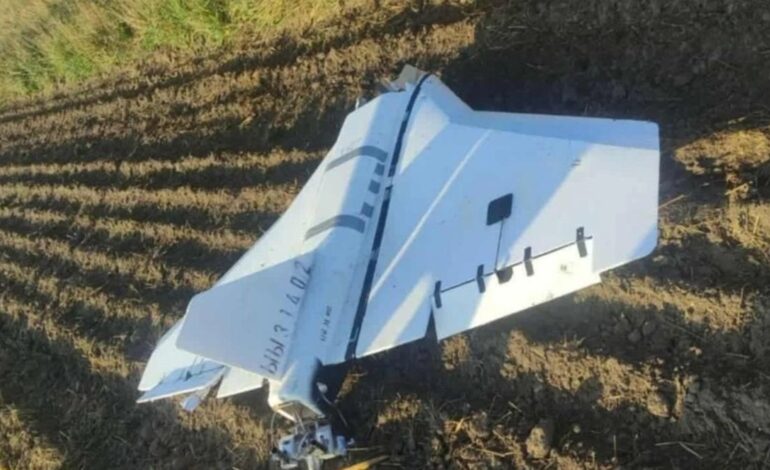

Romania’s defense ministry confirmed that drone fragments fell on Romanian territory near the Ukrainian border. The incident represents another example of how the Ukraine conflict continues to affect neighboring NATO member states. The drone was destroyed by Ukrainian air defenses during a Russian attack, but pieces fell across the border into Romania.
What Happened
A drone was destroyed by Ukrainian air defenses during an overnight Russian attack on Ukraine. The destruction was successful. But fragments from the destroyed drone fell across the border into Romanian territory.
The debris landed just outside the village of Parches in Tulcea county, a region in southeastern Romania that borders Ukraine. According to Romania’s defense ministry, no damage resulted from the incident. The fragments posed no threat to residents or infrastructure.
Tulcea county sits on Romania’s eastern frontier with Ukraine. It is a strategically significant area where NATO territory directly adjoins the conflict zone. Any incidents involving weapons debris falling into NATO territory carry political and military significance.
The Broader Context
This is not the first time weapons or debris from the Ukraine conflict have landed in neighboring countries. Romania, Poland, and other NATO members bordering Ukraine have repeatedly reported similar incidents.
When air defenses intercept missiles or drones, the destroyed weapons don’t simply vanish. They become falling debris scattered across large areas. Given the intensity of air operations over Ukraine, fragments inevitably fall in neighboring countries.
Previous incidents have included missile fragments in Poland, drone parts in Romania, and debris across multiple border regions. In most cases, like this one, no significant damage results. But each incident reminds neighboring countries that the conflict affects them directly.
For NATO, these incidents raise important questions about responsibility, liability, and the extent to which the conflict extends beyond Ukraine’s borders into alliance territory.
Romania’s Position
Romania is a NATO member and a firm supporter of Ukraine. The country provides humanitarian aid, allows Ukrainian refugees to cross its territory, and cooperates with Ukraine on various fronts.
At the same time, Romania faces a delicate balance. It supports Ukraine but must protect its own territory. The country hosts NATO military infrastructure, making it strategically important to the alliance.
When weapons fall on Romanian territory, the government must document and report them. It must ensure no threat to its citizens. It must communicate with Ukrainian and NATO allies about the incident. Managing these responsibilities requires careful diplomacy.
In this case, Romania handled the incident professionally. The defense ministry reported it, confirmed no damage, and provided details to the public. This is the appropriate response.
Why This Matters
On the surface, this incident seems minor. A drone was destroyed, which is the intended outcome. Fragments fell into Romania, causing no damage. No one was hurt. Life continued normally.
But deeper questions emerge. What happens if falling debris causes significant damage or casualties in a NATO country? How would that change the calculus of the conflict? What responsibilities do Ukraine and Russia bear for incidents on NATO territory?
These questions grow more important as the conflict continues. The longer intense military operations occur near NATO borders, the greater the statistical likelihood of a serious incident occurring in alliance territory.
NATO has so far managed these incidents carefully, avoiding escalation. But the underlying tension remains: military operations near NATO territory create risks to NATO members. How long can this continue without triggering article five?
The Safety Factor
Ukrainian air defenses are effective. The drone was successfully destroyed, which is the goal. But the nature of air defense means that intercepting weapons creates debris. That debris has to land somewhere.
Ukraine operates near its borders with Romania, Poland, and other NATO members. When air defenses engage targets, they cannot always control where destroyed weapons fall. The geography of the conflict makes some spillover inevitable.
This creates an inherent safety issue. The countries providing air defense support to Ukraine understand that defending Ukraine successfully means accepting some risk of spillover incidents. Romania and other neighbors understand they will occasionally find weapons debris on their territory.
So far, luck has held. Incidents have caused minimal harm. But probability suggests that eventually, a more serious incident will occur. Whether that happens and how it is handled remains uncertain.
Moving Forward
This particular incident will likely fade from headlines quickly. A drone was destroyed. Fragments fell into Romania. No one was hurt. The story ends there.
But it joins a growing list of similar incidents. Each one is manageable in isolation. But collectively, they raise questions about the long term sustainability of the current situation.
NATO countries bordering Ukraine will continue reporting debris incidents. Ukraine will continue defending itself, necessarily operating near borders. Russia will continue attacking. The mathematics of this situation suggest more incidents will occur.
How NATO and its member states respond to these incidents, and whether they remain manageable, will shape the broader conflict dynamic. For now, the response has been calm and professional. Keeping it that way requires continued careful coordination and diplomacy.
Conclusion
Romania’s report of drone debris falling on its territory is a routine incident with profound implications. Routine because it is part of a pattern of weapons fragments falling on neighboring countries. Profound because each incident represents a spillover of the conflict into NATO territory.
The incident was handled well. No damage occurred. No escalation resulted. But it serves as a reminder that the Ukraine war does not stay within Ukraine’s borders. NATO members feel its effects daily.
As the conflict continues, NATO must balance supporting Ukraine with managing the risks that support creates. So far, that balance has held. But with each incident, the stakes increase and the risks grow. How long this balance remains sustainable is an open and increasingly important question.
Drone fragments falling in Romania are a small thing. But small things add up. And someday, a small incident could become something larger. That possibility is what makes even routine reports worth watching carefully.
Also Read:
Beauty Myths vs Facts: Smart Ways to Care for Your Skin
Why Experience Still Matters in Manufacturing Despite AI Predictions