
India’s $200 Billion Chip Dream Can it Become a Technological Superpower?
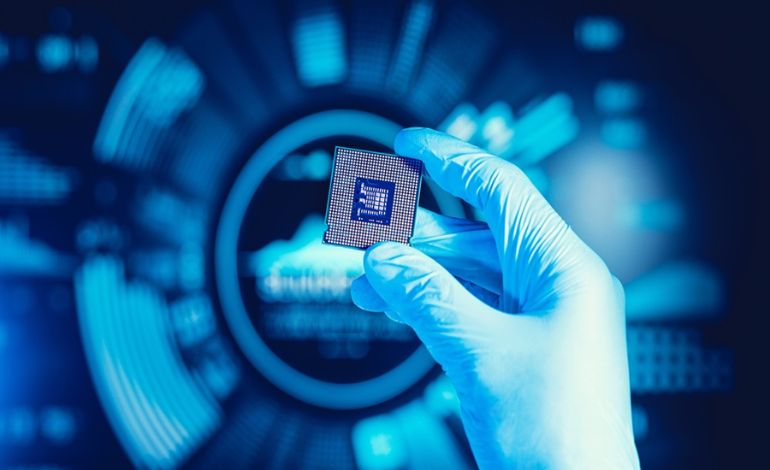

India creates massive amounts of digital data but has barely three per cent of the world’s data-centre capacity, according to government numbers.
“India believes it can provide ‘an alternative’ to existing options, said Arvind Gupta chairman of the think tank Digital India Foundation. New Delhi India has promised billions of dollars for semiconductors, electronics manufacturing and artificial intelligence in a quest to become a global technological powerhouse.
At a groundbreaking ceremony for a chip assembly and testing facility, Prime Minister Narendra Modi said this decade is India’s “Techade”. Five assembly, testing and packaging plants are now in commercial production, involving US industry titan Micron, Indian firms Kaynes, CDIL and Suchi Semicon, and CG Semi, an Indian, Japanese and Thai joint venture.
But these facilities do not require the same expertise as core manufacturing and research.
Seven other projects including a chip facility in Gujarat by Tata Electronics in cooperation with Taiwan’s PSMC, have been approved.
According to the government, India’s semiconductor market, estimated at approximately $50 billion in 2026, is likely to rise to $110 billion by 2030 and over $200 billion by 2035.Electronics manufacturing in India grew to $133 billion in 2024-25 from roughly $31 billion in 2014-15, the government said, as it aims to make the country a hub for tech manufacturing.
Apple, Samsung and other global manufacturers have ramped up production in India as firms look to diversify supply chains away from China.
New Delhi is also seeking to boost indigenous supply chains through incentives for component makers.India generates huge volumes of digital data but has just about three per cent of the global data center capacity, according to official numbers.
India believes it can provide an alternative to existing options,” said Arvind Gupta, chairman of the Digital India Foundation research tank.
Also Read:
Mark Heuring: Bridging the Gap Between Innovation and Real-World Healthcare Adoption
Trump Signs a Russian Diesel Agreement with Zelensky, calling it a gift for Putin