



Vance Trip Delay Sparks Questions as Iran Cites Lebanon Ceasefire Issues
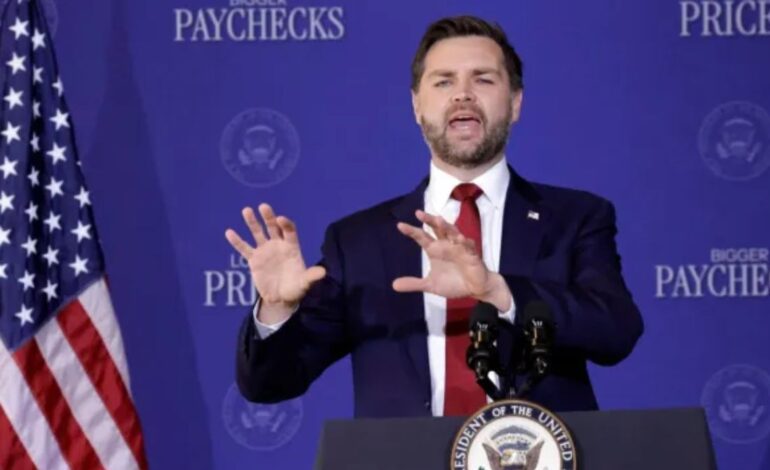

WASHINGTON/GENEVA — US Vice President JD Vance canceled a planned trip to Switzerland on Friday for talks with Iranian negotiators on implementing the recent US‑Iran peace agreement, with an American official citing Iranian claims regarding the situation in Lebanon as one reason for the delay, according to an Axios reporter.
The talks at the Burgenstock mountaintop resort were called off, a Swiss foreign ministry statement confirmed. President Donald Trump and Iranian President Masoud Pezeshkian signed the deal on Wednesday, setting in motion a 60‑day period for broader negotiations — including on Iran’s nuclear program. But uncertainty over logistics and next steps has clouded the process.
“The logistics of these negotiations have never been simple or predictable. As of now the Vice President is not departing tonight,” a White House spokesperson said late Thursday. “We look forward to beginning technical talks as soon as possible.”
In Iran, the Tasnim news agency said “nothing has been confirmed” about the Iranian delegation’s trip to Switzerland. Supreme Leader Mojtaba Khamenei, who approved the deal despite having a “different view,” said face‑to‑face talks with the US would happen in the future but that does not “mean accepting the enemy’s point of view.”
Chief negotiator Mohammad Bagher Ghalibaf warned on X: “In case of misconduct, breach of treaty and excess of the other side, We have no doubt that decisive respond will be given to the enemy.”
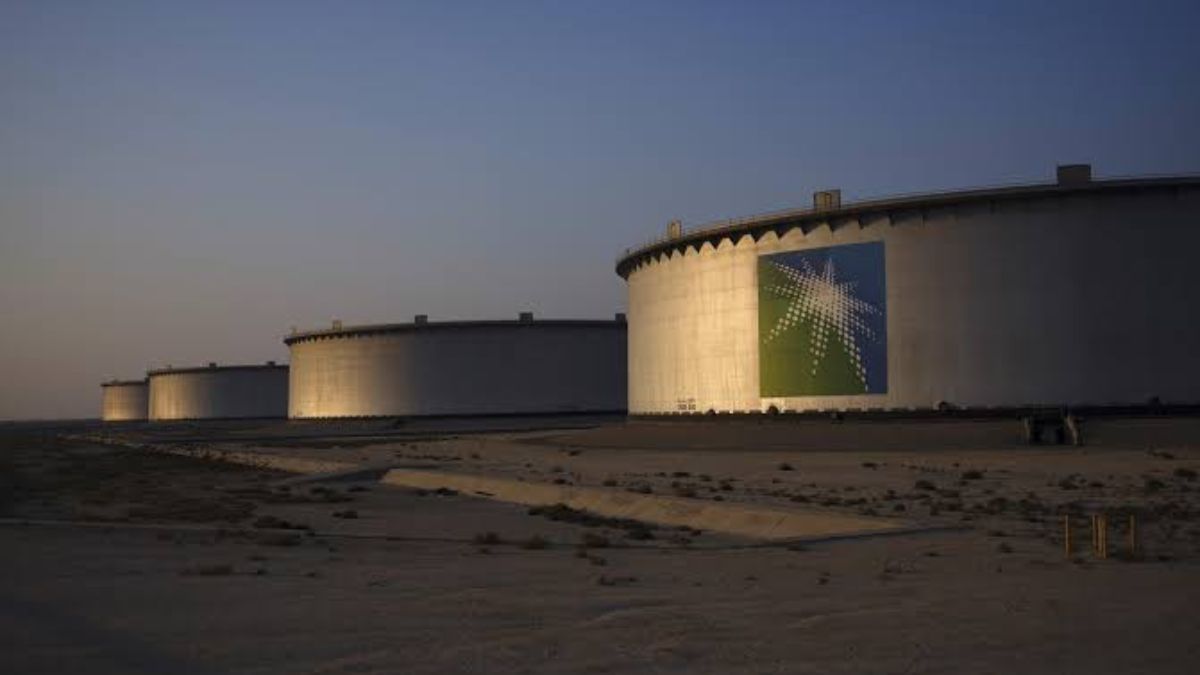
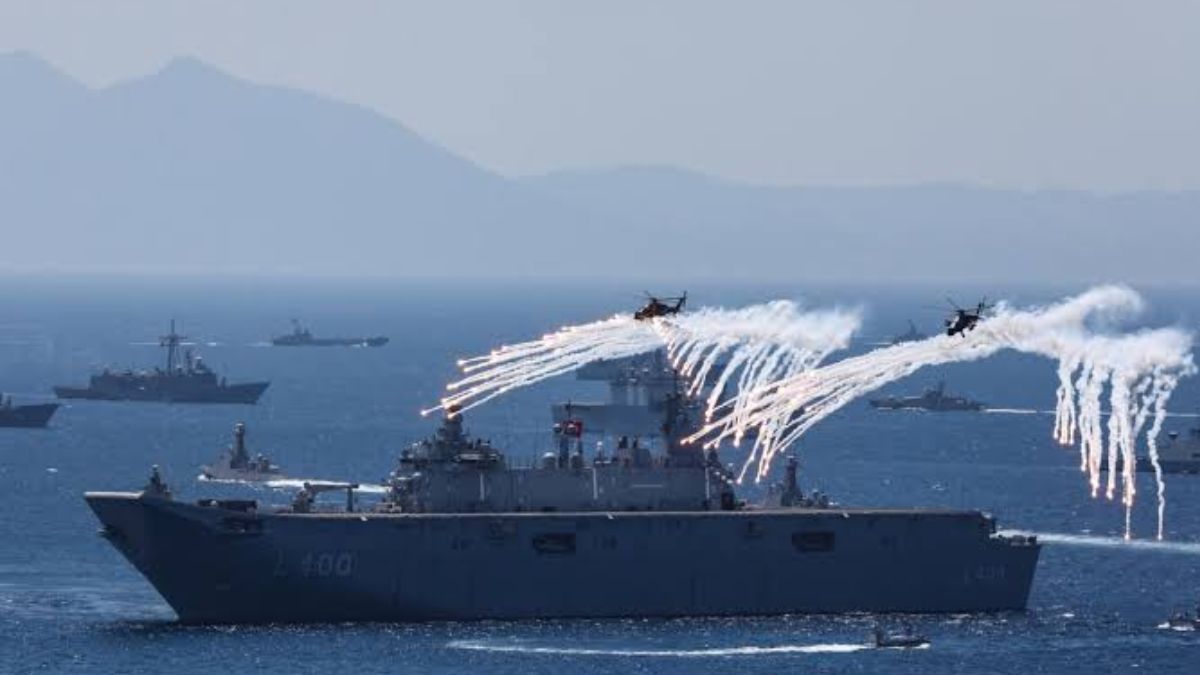
Despite the diplomatic uncertainty, American forces lifted their naval blockade of Iranian ports on Thursday, the US military said, though warships “will remain in the general area.” Activity in the Strait of Hormuz remained muted. Three Saudi oil tankers and a French LNG vessel transited the strait on Thursday, according to maritime trackers.
Iranian state TV said ships “seeking passage through the Strait of Hormuz must submit their request” to a new government body, adding that “no fees whatsoever will be collected from applicants for a period of sixty days” in line with the deal.
French President Emmanuel Macron, who presided over the signing at the Palace of Versailles, said he did not believe the war was “totally finished.” Some in Tehran shared the skepticism. “I have no hope that this is a lasting agreement. Maybe after the 60 days they start fighting again,” said Mina, a 54‑year‑old psychologist from Tehran.
Also Read:
Strait of Hormuz Uncertainty Keeps Oil Prices in Check Despite Peace Talks
How the Data Center Construction Surge Is Delivering Real Results