





Strait of Hormuz Uncertainty Keeps Oil Prices in Check Despite Peace Talks


SINGAPORE — Oil prices edged lower on Wednesday as investors weighed the impact of a US-Iran peace deal, while uncertainty over the full resumption of shipping through the Strait of Hormuz limited further declines.
Brent crude futures dipped 15 cents to $78.81 a barrel, while US West Texas Intermediate fell 12 cents to $75.93 a barrel. On Tuesday, both benchmarks had dropped about 5 percent to three‑month lows on hopes that the agreement would allow oil flows through the strategic waterway.
“Markets are broadly stripping out the embedded geopolitical risk premium in oil prices,” said Priyanka Sachdeva, senior market analyst at Phillip Nova. “That said, the path toward normalisation remains far from straightforward. While political agreements may be progressing, physical tanker traffic through the Strait has yet to fully recover.”
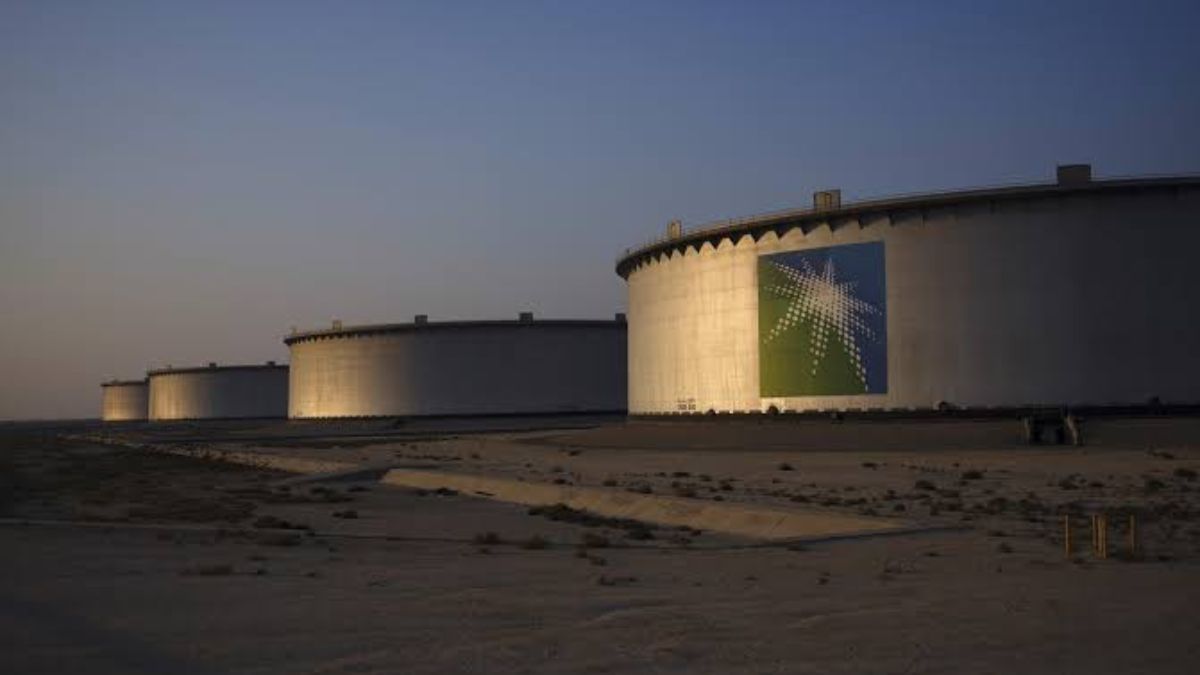
Before the closure in February, about a fifth of global crude oil and liquefied natural gas supplies passed through the strait. Under the deal, the US would lift its blockade of Iranian ports, while Tehran would allow tanker traffic through the waterway.
Details of the interim agreement began to emerge on Tuesday, with President Donald Trump saying it would rule out a nuclear weapon for Iran. A US official said the deal would allow Iran to sell oil upon signing. The memorandum extends the April ceasefire by 60 days to allow room for talks toward a permanent truce.
However, industry officials warn that a full return to pre‑war production levels could take weeks, months or even longer. Israel has distanced itself from the latest US‑Iran pact, fueling uncertainty about whether the agreement will hold. Israeli drone strikes targeted three vehicles in southern Lebanon on Tuesday, killing at least four, prompting a rare public rebuke from Trump.
China’s crude oil throughput fell 9.1 percent in May to its lowest in nearly four years, signaling that refiners were drawing on stockpiles during the war. US crude stocks fell by 8.3 million barrels, exceeding expectations for a draw of 4.6 million, according to industry data.
Also Read:
South Korean Police Probe Starbucks Executive Over ‘Tank Day’ Incident
Greek Minister Calls Opposition to Tougher Migration Policies a Sign of Success