

The New Gold Rush Is Copper: Why Investors Are Paying Attention
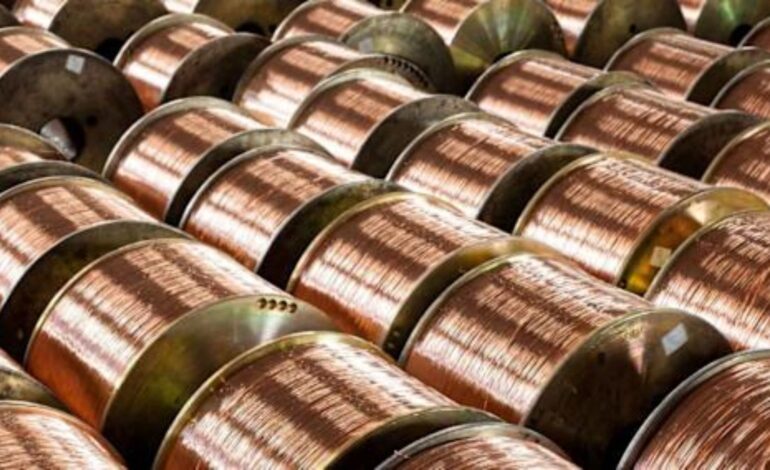

Copper prices hit a record high of $14,527 per tonne on the London Metal Exchange in January 2026. This is not a random spike. Three forces are behind the surge: persistent supply shortages, booming demand from electrification and AI, and a US tariff shock that rewired global trade.
Supply Can’t Keep Up
Global copper supply is expected to peak at just over 24 million tonnes by the end of the decade, then slide below 19 million tonnes by 2035, according to the International Energy Agency. Falling ore grades and aging mine closures are the main culprits. New mines take over a decade to bring online.
Recent disruptions made things worse. A landslide at Indonesia’s Grasberg mine — the world’s second-largest — forced Freeport‑McMoRan to cut its 2026 production by 35%. The International Copper Study Group revised its 2026 outlook from a surplus of 200,000 tonnes to a deficit of 150,000 tonnes. Other analysts put the gap as high as 450,000 tonnes.
Demand From EVs, Grids, and AI
Copper is essential for the energy transition. Electric vehicles use five times more copper than petrol cars. Solar panels, wind turbines, and grid upgrades all depend on the metal. BloombergNEF warns of a structural deficit that could reach 19 million tonnes by 2050.
Digital infrastructure is also hungry for copper. Data centers consumed an estimated 500,000 tonnes in 2024, a figure that could rise to 3 million tonnes annually by 2050. The rapid buildout of AI systems is accelerating this trend. Goldman Sachs named copper its top industrial metal pick for 2026.
The Trump Tariff Shock
On April 2, 2026, the US imposed a 25% tariff on copper derivative products. The announcement triggered a wave of anticipatory buying, pushing the US copper premium above $1,200 per tonne over global benchmarks. The stated goal was to rebuild domestic production, but the US currently produces less than half of what it consumes, and new mines take seven to ten years to permit.
No Quick Fix
The IEA forecasts a 30% supply shortfall by 2035. Recycling helps, but not enough. Today’s record prices are not a temporary anomaly. They signal a structural reality: the world is consuming copper faster than it can mine, refine, or replace it.
Also Read:
New North Korean Plant Raises Concerns Over Nuclear Weapons Expansion
Australian Tourist Arrested in Indonesia Over 59 ml of Medical Cannabis