


IMF Sounds Alarm as Iran War Threatens Global Economy Into 2027
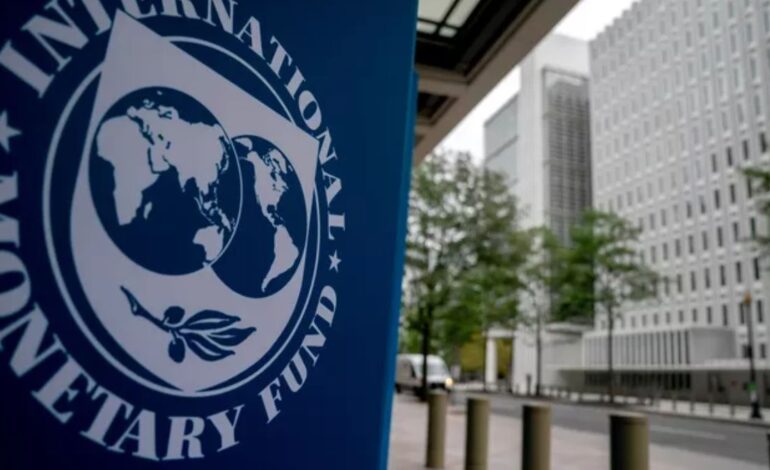

The International Monetary Fund has sounded an urgent alarm about the global economic consequences of continued conflict in the Middle East, with Managing Director Kristalina Georgieva warning that the war’s extension into 2027 combined with oil prices reaching $125 per barrel could trigger significant inflationary pressures and economic contraction worldwide.
Speaking at a conference hosted by the Milken Institute Monday, Georgieva outlined how the IMF’s previously optimistic forecasts have become obsolete as the conflict drags on. The fund’s original “reference scenario” assumed a brief conflict with manageable consequences: a minor economic slowdown to 3.1 percent global growth and modest inflation of 4.4 percent.
“This scenario, with every day that passes, is further and further behind in the rear-view mirror,” Georgieva said, acknowledging that the war’s continuation has rendered these forecasts unrealistic.
From Bad to Worse: Escalating Scenarios
The IMF now operates under its “adverse scenario,” which the organization believes is already in effect. This more pessimistic forecast predicts global growth slowing to 2.5 percent in 2026 and headline inflation climbing to 5.4 percent. Even more concerning is the “severe scenario,” which forecasts growth of just 2 percent and inflation reaching 5.8 percent.
Should the war continue into 2027 with oil prices at or above $125 per barrel, Georgieva warned of catastrophic economic consequences: “Then we have to expect a much worse outcome. Then we are going to see inflation climbing up and then inevitably, inflation expectations would start de-anchoring.”
De-anchored inflation expectations represent a particular danger, as they can spiral into persistent price pressures that become increasingly difficult for central banks to control.
The Strait of Hormuz Bottleneck
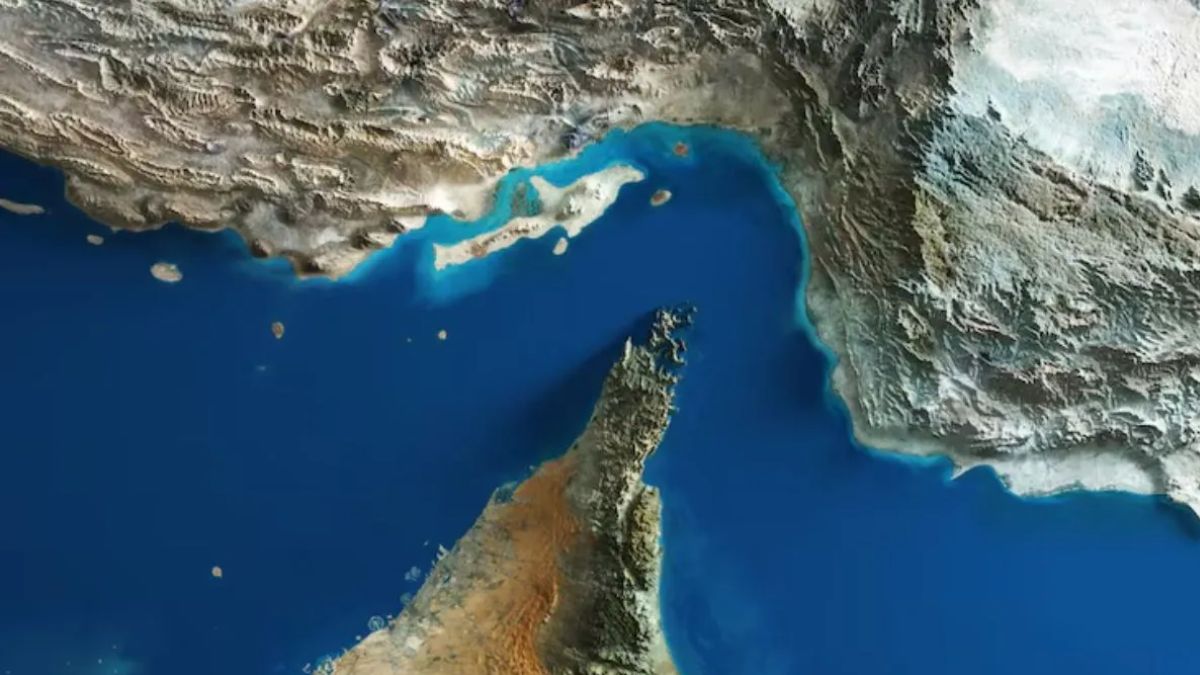
A critical factor driving these concerns is the closure of the Strait of Hormuz, through which approximately 20 percent of global crude oil supply normally flows. Mike Wirth, Chairman and CEO of Chevron, speaking on the same panel, warned that physical oil shortages would begin appearing around the world as supply continues to be constrained.
“Economies will begin shrinking, first in Asia, as demand adjusts to meet supply while the strait remains closed,” Wirth said, describing a cascading economic contraction triggered by forced demand destruction in response to scarcer supplies.
Supply Chain Shocks Beyond Oil
The conflict’s impacts extend far beyond energy markets. Fertilizer prices have already increased 30 to 40 percent, with the IMF warning that food prices will rise between 3 and 6 percent as a result. Other industries dependent on Middle Eastern supply chains face similar disruptions.
Georgieva emphasized the seriousness of these developments: “What I want to stress is that this is really serious.” She expressed particular concern that many policymakers remain in denial about the conflict’s duration and severity, implementing policies to cushion consumers and businesses from the disruptions.
The Demand Problem
This creates a dangerous policy paradox. By implementing measures to maintain consumer purchasing power and business spending, governments inadvertently sustain demand for constrained supplies, pushing prices higher rather than allowing demand to naturally adjust to available supply.
“Don’t throw gasoline on fire. Everybody in this room knows that if your supply shrinks, your demand has to follow,” Georgieva warned, criticizing policymakers for failing to acknowledge that temporary relief measures ultimately worsen inflationary pressures.
A Fragile Financial System
While long-term inflation expectations currently remain anchored and financial conditions have not tightened dramatically, Georgieva cautioned that this could change rapidly if the war persists. A loss of inflation credibility would force central banks into much more aggressive policy tightening, threatening financial stability and economic growth.
The IMF’s warning reflects a sobering reality: the longer Middle Eastern conflict continues, the more difficult it becomes for policymakers to manage the fallout. What began as a regional military confrontation now threatens the financial stability of the global economic system, particularly if sustained disruptions to energy and food supplies force central banks to choose between supporting economic growth and fighting inflation.
The next months will prove critical in determining which scenario—adverse or severe—becomes the reality for the global economy.
Also Read:
B2B Buyers Are Making Decisions Before Vendor Engagement
The Psychology Behind Specsavers Ads: Why Humour Drives Customer Attention