


OpenAI Origins Under Spotlight as Microsoft Executive Prepares to Testify
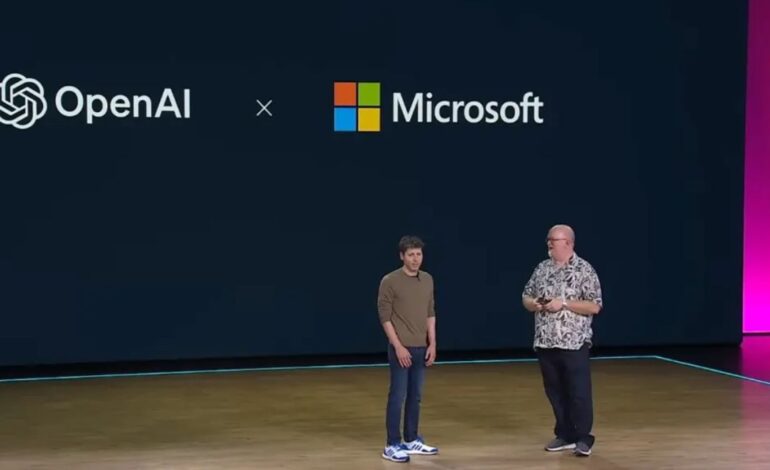

Microsoft CEO Satya Nadella is expected to take the witness stand Monday in Elon Musk’s closely watched lawsuit against OpenAI, testimony that will illuminate how Microsoft’s financial support enabled the transformation of a nonprofit startup into a for-profit technology powerhouse now valued at over $850 billion.
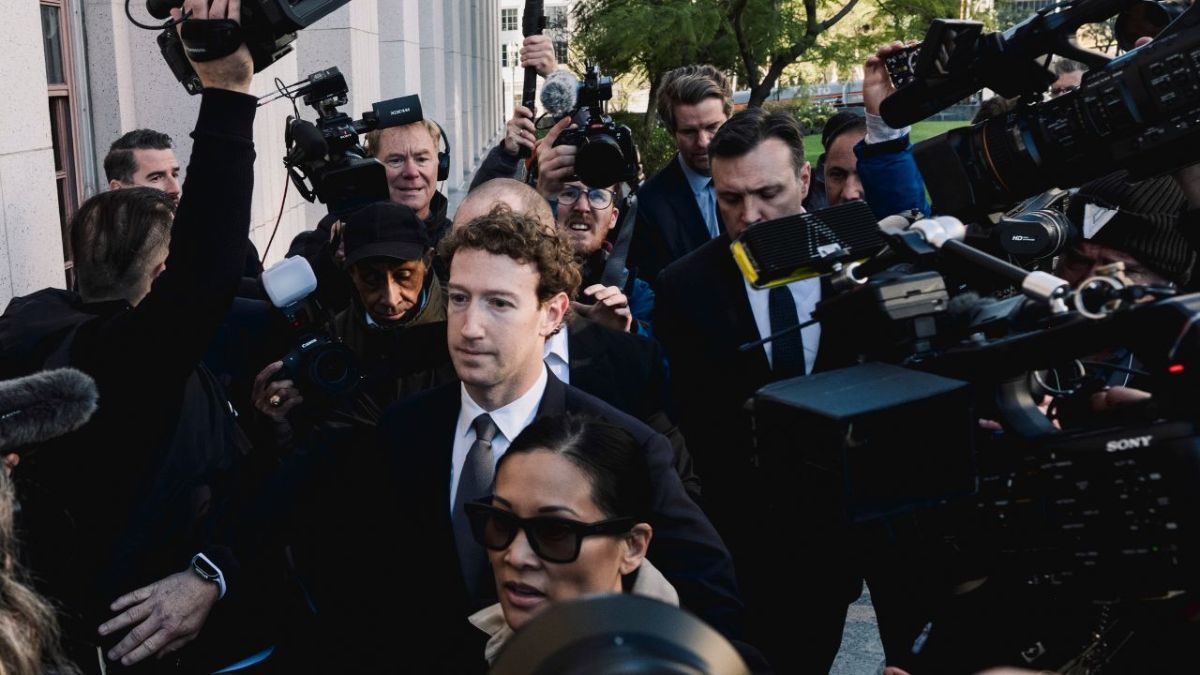
The trial unfolding in federal court in Oakland, California has become a window into the internal conflicts and strategic maneuvering that defined Silicon Valley’s technology elite in recent years, particularly around the dramatic 2022 launch of ChatGPT that thrust the company into global prominence.
The Core Dispute
Musk’s lawsuit accuses OpenAI of abandoning its founding mission as a nonprofit organization and misappropriating his initial donations totaling $38 million. He is demanding that the company revert to its original nonprofit status—a remedy that would fundamentally reshape the global technology landscape and potentially affect OpenAI’s competitive position against rivals.
OpenAI counters that Musk voluntarily departed after failing to gain majority control and has since become a direct competitor through his own technology venture, xAI. The company characterizes his lawsuit as motivated by rivalry rather than principle.
Microsoft’s Critical Role
Nadella’s testimony will focus on emails revealing Microsoft’s evolving interest in OpenAI. Documents from January 2018 show the Microsoft CEO consulting with executives about providing computing resources to OpenAI through a discount on Azure, Microsoft’s cloud platform.
At the time, Nadella expressed uncertainty about OpenAI’s direction: “Overall I can’t tell what research they are doing and how if shared with us it could help us get ahead.” Yet within months, OpenAI established a for-profit subsidiary structure to attract investment capital—a pivotal shift that Musk’s legal team argues was driven by profit motives rather than technological necessity.
Microsoft’s commitment proved transformative. The company first invested $1 billion in 2019, followed by a total commitment of $13 billion. That stake is now valued at approximately $228 billion—a return of roughly 17 times the initial investment.
The Nonprofit-to-Profit Transition
Musk’s lawyers are building a narrative suggesting Microsoft knew it was facilitating OpenAI’s departure from nonprofit principles. Early Microsoft emails show skepticism about OpenAI’s viability; Chief Technology Officer Kevin Scott worried the startup might “storm off to Amazon in a huff.” Yet that skepticism dissolved once profit became possible.
The trial has already revealed internal contradictions. Last week, OpenAI co-founder Greg Brockman testified about diary entries from 2017 in which he appeared enthusiastic about “making money for us.” Musk’s legal team used these entries to portray Brockman as motivated by financial gain from the outset.
Brockman also disclosed that Musk physically threatened him in 2017 after being refused majority control—testimony that adds human drama to what otherwise appears as a corporate finance dispute.
What’s At Stake
An advisory jury verdict is expected by May 18, with federal judge Yvonne Gonzalez Rogers making the final determination on liability and remedies. The judge has indicated she will likely follow the jury’s guidance.
If the court sides with Musk, the implications could be extraordinary. Forcing OpenAI to revert to nonprofit status would disrupt one of technology’s most valuable companies at a critical moment in the global competition over advanced computing technology. It would also affect OpenAI’s ability to raise capital for expansion and development.
Recent Developments
On Wednesday, Musk announced a major partnership with Anthropic, OpenAI’s primary rival, providing the company with computing capacity from SpaceX’s largest data center. The timing—just days before Nadella’s crucial testimony—underscores how this lawsuit has become entangled with business competition and strategic positioning among technology executives.
Nadella’s testimony will likely be followed by that of OpenAI CEO Sam Altman, potentially on Tuesday or Wednesday, in what observers expect to be among the final stages of the trial. His testimony will provide a crucial opportunity to explain OpenAI’s perspective on the company’s evolution and the role Microsoft played in its transformation.
Also Read:
B2B Buyers Are Making Decisions Before Vendor Engagement
The Psychology Behind Specsavers Ads: Why Humour Drives Customer Attention