


How an Iraqi Captain Sailed Through Danger During Escalating US-Iran Tensions
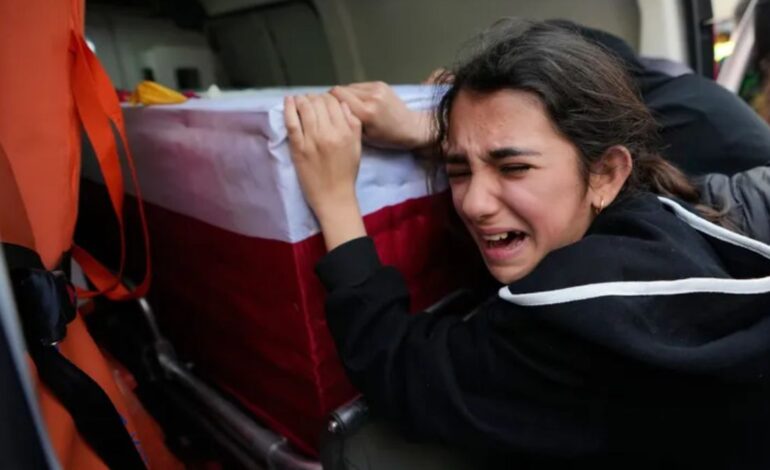

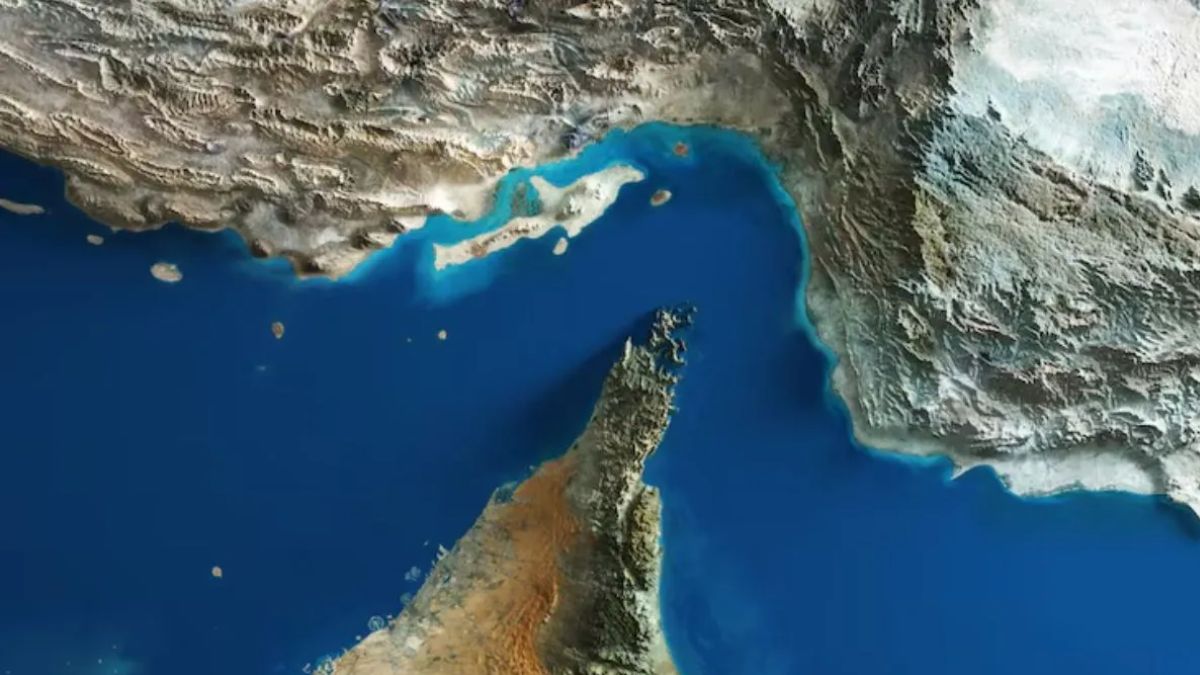
BAGHDAD — For four months, Iraqi Captain Rahman Al-Jubouri has been steering his oil tanker through one of the world’s most dangerous maritime corridors. The waters between the Gulf of Oman and the Strait of Hormuz have become a shooting gallery since the US‑Israeli war with Iran began.
“Work has become a real risk,” Al‑Jubouri told the Associated Press from his vessel, the Palau‑flagged Sea Moon. “We don’t know when we might be bombed. We’re sailing over a ball of fire.”
The veteran sailor has been at sea since 1984, surviving the Iran‑Iraq War and the 1991 Gulf War. But this conflict feels different. Sporadic military strikes, a US naval blockade, and threats to close the Strait of Hormuz have left commercial vessels delayed, rerouted, or stranded. Last week, American forces seized an Iranian‑flagged ship trying to evade the blockade.
Al‑Jubouri’s current route from the Gulf of Aden to Yemen’s Ras Isa port keeps him near the strait’s entrance. The danger is constant. His crew runs regular safety drills on how to respond if the ship comes under fire.
Last year, while docked at a Yemeni port, his vessel was bombarded. He cut the ropes, started the engines, and fled at his own risk. Shrapnel hit the tanker, but everyone survived.
Not all his men can handle the pressure. His crew has shrunk from 27 to 17 sailors. Fear drove them away. Meanwhile, Al‑Jubouri hasn’t seen his family in four months.
Despite the psychological toll, supplies remain steady. And after four decades at sea, the captain says he knows how to adapt. But every transit is a gamble.
Also Read:
Deep Tech in Saudi Arabia: A New Era of Innovation Led by SVC
Why Gold Prices Remain Stable Amid US-Iran Peace Deal Optimism