
Ukraine Sees New Defense Opportunities as Japan Eases Arms Export Rules
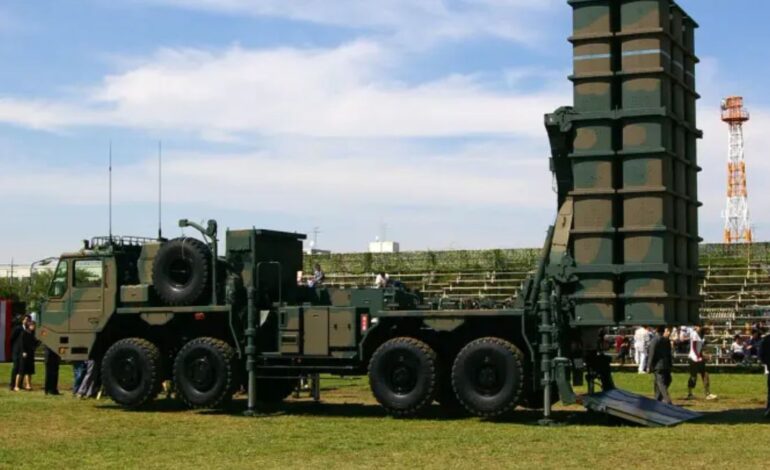

Japan has taken a historic step away from its postwar pacifist tradition, and Ukraine is watching closely. Prime Minister Sanae Takaichi’s recent relaxation of weapons-export rules could eventually enable Tokyo to supply military equipment to help Kyiv resist Russia’s invasion, according to Ukraine’s ambassador to Japan.
“This allows us to talk,” Ambassador Yurii Lutovinov told Reuters. “Theoretically, it’s a very big step forward.”
The policy overhaul maintains controls on exports to conflict zones but allows exceptions for cases serving Tokyo’s security interests. That opening is precisely what Ukraine hopes to exploit.
Why Japan Cares About Ukraine
Japan’s sudden willingness to bend its export restrictions reflects a fundamental shift in how Tokyo views global security. The country has explicitly linked Ukraine’s fate to its own survival. With Japanese territory just 110 kilometers from Taiwan, Tokyo fears that any Chinese attempt to seize the island could drag Japan into a devastating conflict.
When Russia invaded Ukraine in 2022, Japan’s then-Prime Minister Fumio Kishida warned: “Ukraine today could be East Asia tomorrow.” That phrase captures Tokyo’s strategic calculation—allowing Russia to swallow Ukraine signals weakness to Beijing that could encourage Chinese aggression in the Pacific.
Takaichi has accelerated Japan’s military transformation since taking office in October, approving its biggest defense buildup since World War Two.
What Ukraine Needs Most
Lutovinov framed the relationship pragmatically. “If Ukraine falls, it’s going to be a big domino effect. That’s why the Indo-Pacific and the European continent are inseparable from the point of view of our security.”
For now, Ukraine is focused on immediate needs rather than weapons. The country is seeking Japanese investment to develop an independent air-defense system that would reduce dangerous dependence on increasingly scarce US-made Patriot missiles.
“We have all necessary industrial capacities for production. But we need investment. We need funds,” Lutovinov explained.
Broader Collaboration Taking Shape
Discussions are also advancing on Japan joining NATO’s Prioritized Ukraine Requirements List, a funding mechanism that has supplied over $4 billion in equipment and munitions. Australia and New Zealand are the only non-NATO countries currently participating—an opening Japan could fill.
Japanese electronics manufacturers could prove especially valuable. Ukraine’s drone force relies heavily on Chinese-made components, creating vulnerabilities. Japanese firms could help diversify component sources, strengthening Ukraine’s ability to expand its drone capabilities—a critical advantage on the battlefield.
A Partnership of Mutual Benefit
The potential synergy is clear. Takaichi’s administration is developing a new defense strategy expected to emphasize drones across air, sea, and land—exactly the technology Ukraine has perfected through three years of warfare.
“We are not the country that would like to just ask. We are the country that is going to provide as well,” Lutovinov said. “The technology of Japan and experience of Ukraine, if we can put them together, it would be a high-class product.”
While Takaichi has not yet publicly committed to direct arms shipments, the policy shift suggests the conversation is only beginning. For Ukraine, Japan’s move signals growing international recognition that its survival matters far beyond Europe.
Also Read:
Pro-Kurdish Party Slams Türkiye’s “Hesitant” Approach to PKK Peace Talks
How Viable Is Syria as a Trade Route to Bypass the Blocked Hormuz Strait?