


China Calls on Pakistan to Boost Mediation Efforts in the Middle East
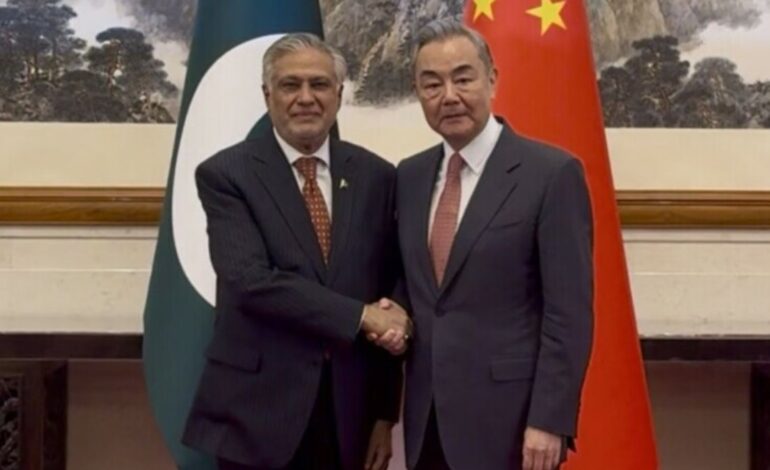

China’s foreign minister has urged Pakistan to escalate its mediation efforts between Iran and the United States, as Beijing positions itself as a key player in efforts to resolve Middle Eastern tensions that threaten global energy security and trade flows.
Foreign Minister Wang Yi made the call to his Pakistani counterpart Ishaq Dar on Tuesday, emphasizing that Pakistan should “step up mediation efforts, and contribute to properly addressing issues related to opening the Strait of Hormuz,” according to state news agency Xinhua.
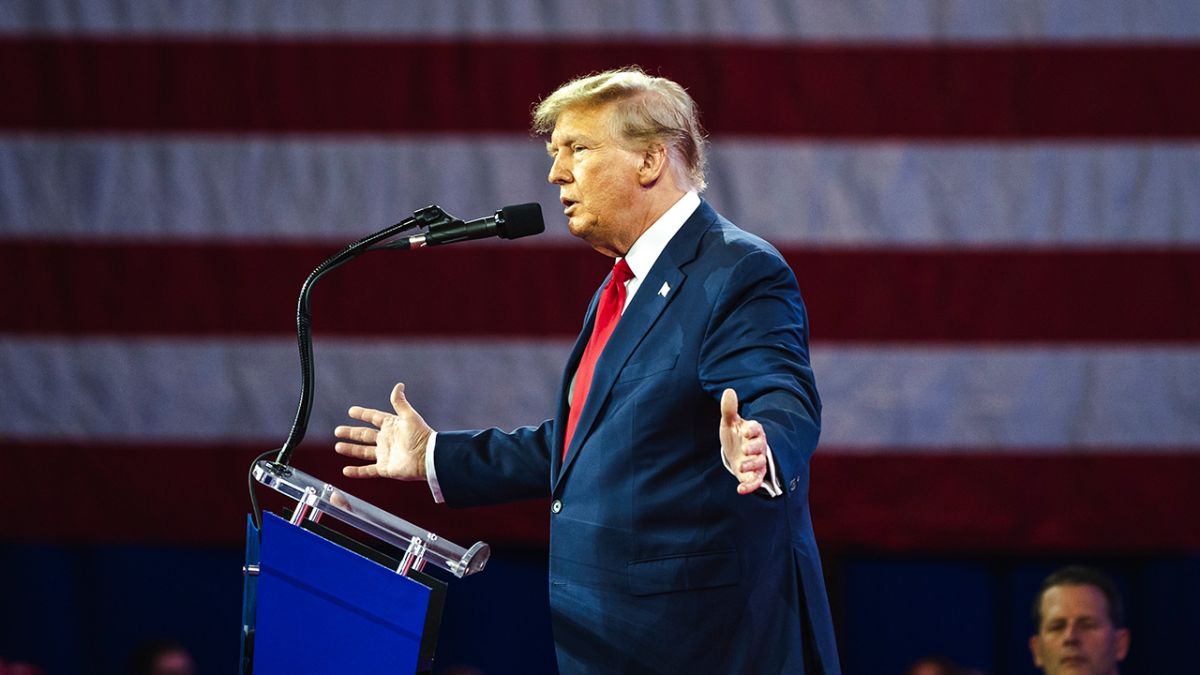
The timing of China’s intervention is significant, coming as U.S. President Donald Trump prepares for talks in Beijing with Chinese leader Xi Jinping—a strategic meeting between two major powers with competing interests in the region’s stability.
Pakistan’s Pivotal Role
Pakistan has emerged as the primary mediator between the United States and Iran as the two nations negotiate toward a peace agreement. This elevated role reflects Pakistan’s unique position as a country with relationships spanning both Western and Iranian spheres of influence, as well as its geographic proximity to the region.
China’s explicit support for Pakistan’s mediation efforts signals recognition that Pakistan’s diplomatic initiatives serve China’s broader interests in Middle Eastern stability. Wang pledged that “China will continue to support Pakistan’s mediation efforts and make its own contribution toward this end.”
The Strait of Hormuz Stakes
The reopening of the Strait of Hormuz has become central to negotiations between Washington and Tehran. Iran’s near-total blockade of this critical waterway—through which approximately 20 percent of global crude oil passes—has disrupted global energy markets and trade. Resolution requires both sides to make significant concessions.
China has particular interest in restoring normal shipping through the strait given its dependence on Middle Eastern energy supplies. Disruptions to the strait directly impact China’s economic interests and energy security.
China’s Strategic Positioning
Wang’s intervention reflects China’s broader strategy of positioning itself as a stabilizing force in Middle Eastern diplomacy while maintaining its strategic partnership with Iran. By publicly supporting Pakistan’s mediation and offering its own contribution, China attempts to influence the negotiation process while avoiding direct confrontation with the United States.
This approach allows China to support Iran’s interests—a key strategic and economic partner—without appearing to obstruct American diplomatic objectives. Pakistan serves as a useful intermediary through which China can exercise influence without direct engagement.
Negotiation Deadlock
The mediation efforts face significant obstacles. Iran rejected on Tuesday any suggestion of amending its negotiating proposals, while Trump has dismissed Iran’s positions as “garbage.” This rhetorical impasse suggests fundamental disagreement remains about the terms under which peace can be achieved.
Trump’s forthcoming Beijing visit adds another layer of complexity. While nominally focused on U.S.-China bilateral relations, the talks will inevitably touch on the Middle East situation. Trump may seek Chinese pressure on Iran to make concessions, while China will likely resist being perceived as taking sides against its Iranian partner.
The Global Dimension
The China-Pakistan diplomatic effort reveals how regional Middle Eastern conflicts have become entangled with great power competition. Resolution requires not just agreement between Iran and the United States, but also accommodation of the interests of other major powers—particularly China—that depend on Middle Eastern stability for economic and strategic reasons.
Pakistan’s mediation role has suddenly become far more significant than its formal diplomatic status might suggest, elevated by the fact that it serves as the communication channel through which multiple powers—the United States, China, Russia, and others—attempt to influence negotiations between Iran and Washington.
Also Read:
Startup Ecosystem Maintains Growth as MENA Faces Political Tensions
CRDB Bank Opens Dubai Office to Channel Gulf Capital into Africa’s $3.4 Trillion Economy