




Iran Confirms Killing of Alireza Tangsiri: A Turning Point in Regional Conflict
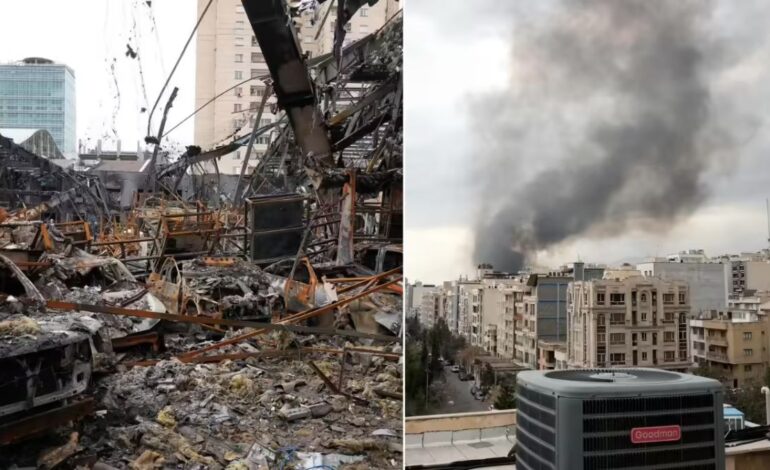

TEHRAN – Iran confirmed on Monday that Revolutionary Guards commander Alireza Tangsiri has died from wounds sustained in an Israeli airstrike, ending days of speculation about the fate of one of the Islamic Republic’s most senior military figures .
The Islamic Revolutionary Guard Corps (IRGC) announced in a statement carried by its Sepah News website that Tangsiri “succumbed to severe injuries” following the attack, which occurred in the port city of Bandar Abbas . The strike, which Israel claimed responsibility for last week, targeted the naval chief as he was “organizing forces to strengthen the defense of islands and coastlines,” according to the IRGC statement .
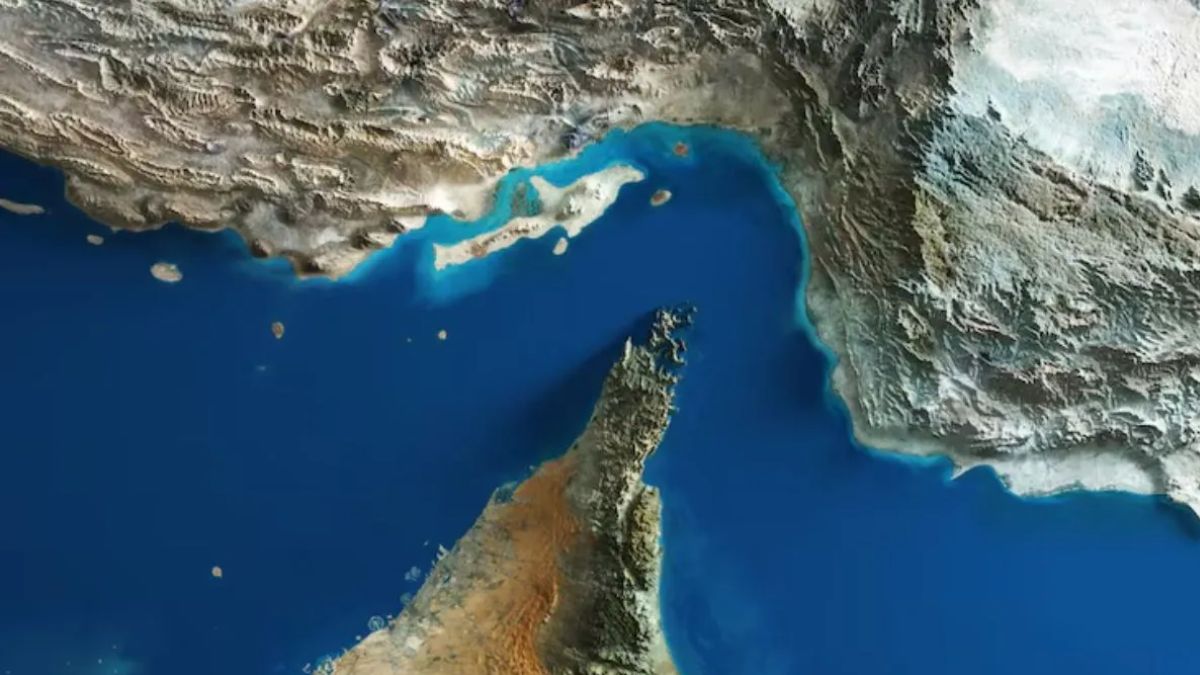
Tangsiri, 62, had served as commander of the IRGC Navy since 2018 and was widely regarded as the architect of Iran’s maritime strategy in the Persian Gulf . Under his leadership, the naval branch oversaw a significant buildup of mines and missile systems along the Strait of Hormuz, through which approximately one-fifth of the world’s oil supply passes daily .
The Israeli Defense Forces described Tangsiri as someone who “oversaw maritime terrorism carried out against countries in the Middle East, as well as against U.S. and other nations’ energy infrastructure” . He had been under U.S. Treasury sanctions since 2019 following Iran’s downing of an American surveillance drone near the strait .
A Defiant Response
Despite confirming the commander’s death, the IRGC struck a defiant tone in its official statement. The corps declared that “every naval fighter is a Tangsiri,” signaling that his loss would not diminish Iran’s military posture in the region . The statement further vowed that Iranian forces would not stop “until the enemy is completely destroyed with the liberation of holy Jerusalem” .
The IRGC also emphasized that its navy had maintained “decisive control” over the Strait of Hormuz in recent days despite Tangsiri’s absence, dealing “heavy blows” to opposing forces .
Escalating Regional Conflict
Tangsiri’s death comes amid a dramatic escalation in the American-Israeli war on Iran, now entering its second month. Coordinated U.S. and Israeli strikes began on February 28, 2026, with Washington launching Operation “Epic Fury” and Israel operating under the name “Lion’s Roar” . The air campaign has targeted missile platforms, air defenses, strategic infrastructure, and military facilities across Iran.
The conflict has since spread across multiple fronts. Hezbollah and Iraqi factions have joined the fighting, and the Houthis officially entered the war over the weekend . Iran has responded with waves of missile and drone attacks targeting U.S. bases in Gulf countries and Israeli territory, while Israel has continued striking Iranian infrastructure, including steel factories in Isfahan and Khuzestan, as well as the Arak heavy water nuclear facility .
Global Implications
The closure of the Strait of Hormuz has triggered a global energy crisis, with Brent crude futures recently trading at $105.32 per barrel . The Philippines became the first country to declare a “state of national energy emergency,” reporting only 40 days of petroleum supply remaining .
U.S. President Donald Trump has indicated he is considering a potential ground operation to seize Iran’s Kharg Island, the hub of the country’s crude oil exports, while also weighing a suspension of the federal gas tax to combat rising prices at home .
Diplomatic Efforts Falter
Efforts to de-escalate the conflict have shown little progress. While the U.S. proposed a 15-point plan that would include reducing Iran’s nuclear program, limiting its missile capabilities, and reopening the Strait of Hormuz in exchange for sanctions relief, Tehran has refused to negotiate under military pressure .
An informed Iranian source told The New Arab that Iran would not participate in ongoing talks in Islamabad, which have included officials from Saudi Arabia, Turkey, and Egypt . Meanwhile, Trump’s suggestion of “productive talks” with Iran was publicly denied by Iranian parliamentary speaker Mohammad Bagher Qalibaf, who described such claims as “fake news” intended to manipulate financial markets .
Looking Ahead
Tangsiri’s death marks the latest in a series of Israeli operations targeting senior Iranian leadership. Israel previously claimed to have killed Iran’s intelligence minister, Esmail Khatib, and top security official Ali Larijani, along with Gholamreza Soleimani, commander of Iran’s Basij forces .
Analysts suggest that the systematic removal of IRGC commanders reflects Israel’s strategy of “decapitation strikes” aimed at crippling Iran’s military command structure . However, with the conflict showing no signs of abating and Iran vowing retaliation, the region remains on a knife’s edge. As the IRGC warned in its statement: “We will see what miracles they will create in the coming days and months” .
This is a developing story. Further updates will follow as information becomes available.
Also Read:
7 Powerful Ways to Reignite Passion and Energy in Your Business
Turn Your Cold Emails into High-Quality B2B Sales Conversations