
Pakistan and Afghan Forces Clash as Airstrikes Increase Border Tensions
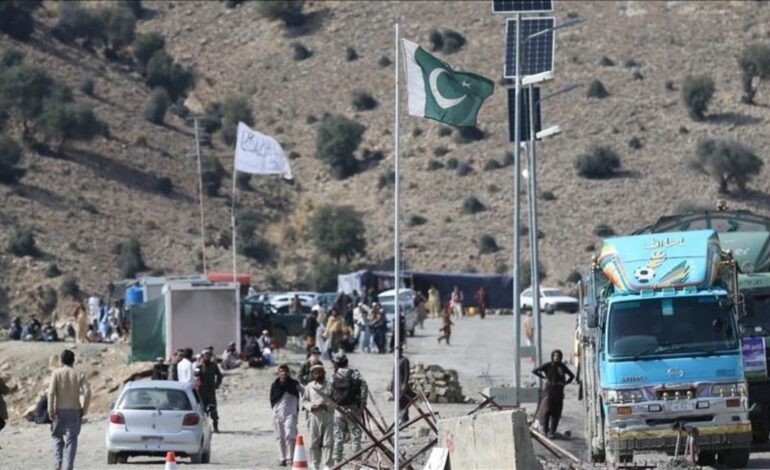

Pakistani and Afghan forces exchanged fire along their contested border on Tuesday, each side blaming the other for initiating the clash. The incident marks the latest escalation in tensions following Pakistani airstrikes over the weekend that targeted militant groups operating from Afghan soil.
The exchange occurred in the Torkham and Tirah sub-sectors along the 2,600-kilometer border, an area where tensions have been simmering since deadly clashes in October. A fragile ceasefire had held until now.
Conflicting Accounts
Mosharraf Zaidi, spokesperson for Pakistan’s prime minister, told Reuters that Afghan Taliban authorities initiated “unprovoked firing.” He said Pakistan’s security forces “responded immediately and effectively, silencing the Taliban aggression,” and warned that any further provocation would be met “immediately and severely.”
Afghan officials offered a different version. Zabihullah Noorani, director of information and culture for Nangarhar province, said Pakistani forces opened fire in the Shahkot area of Nazyan district. He reported no Afghan casualties and said the fighting had stopped.
Mawlawi Wahidullah, spokesperson for an Afghan army corps responsible for eastern Afghanistan security, said border forces were on patrol near the Durand Line in Achin and Durbaba districts when they came under fire. He characterized the exchange as a response, not retaliation.
The Weekend Airstrikes
Tuesday’s clash follows Pakistani airstrikes on Saturday and Sunday that targeted camps of the Tehreek-e-Taliban Pakistan (TTP) and Islamic State Khorasan Province in eastern Afghanistan. Pakistani security sources estimate 70 militants were killed.
The United Nations Assistance Mission in Afghanistan reported receiving “credible reports” that at least 13 civilians died and seven were injured in Nangarhar. Taliban officials put the toll higher. Reuters could not independently verify the figures.
Pakistan has long maintained that TTP leaders operate from Afghan territory, using it as a base to plan attacks inside Pakistan. Kabul denies the charge.
A Fragile Relationship
The relationship between Pakistan and Afghanistan’s Taliban rulers has been strained since the latter took power in 2021. Despite shared history and cultural ties, cross-border militant activity remains a persistent irritant. Pakistan accuses Afghanistan of harboring groups that attack Pakistani targets; Afghanistan accuses Pakistan of violating its sovereignty with airstrikes.
The October clashes and this week’s escalation suggest the underlying tensions remain unresolved. Each incident risks spiraling into broader conflict, drawing in local populations and complicating efforts to address the humanitarian and security challenges both countries face.
What Comes Next
For now, the firing has stopped. But the conditions that produced it—militant sanctuaries, cross-border grievances, contested sovereignty—remain. Pakistan warns of severe response to further provocation. Afghanistan insists on its territorial integrity. And along the Durand Line, communities that have lived through decades of conflict brace for what comes next.
The border is quiet tonight. How long that lasts is anyone’s guess.
Also Read:
Russia Targets Telegram Founder Pavel Durov in New Legal Case