

Dengue Surge Pushes Bangladesh Hospitals Toward Breaking Point
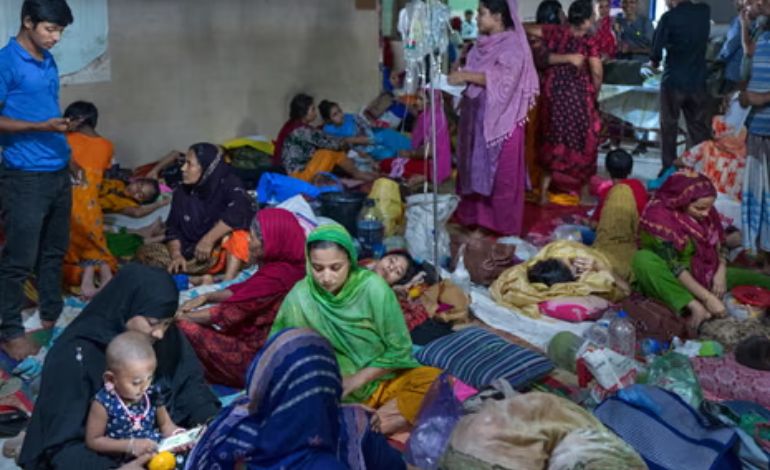

Bangladesh’s dengue outbreak is accelerating rapidly, with 42,590 people hospitalized and 117 deaths recorded so far this year, as a sharp surge in September strains hospitals and raises concerns that the mosquito-borne disease could intensify further in the coming weeks.
At least four dengue patients died and 1,558 others were hospitalized in the past 24 hours alone, according to health ministry data, marking the highest single-day admission tally recorded this year. The disease, which can cause fever, severe headaches, and potentially fatal complications, has spread sharply in recent weeks, reviving concerns following Bangladesh’s deadliest dengue outbreak in 2023. The current surge has further strained a healthcare system already stretched by a nationwide measles outbreak that has killed nearly 1,000 children this year.
Health experts warn that September could prove even more severe than August, which recorded the highest monthly dengue caseload of the year so far. Professor Kabirul Bashar, a medical entomologist at Jahangirnagar University, said his surveillance and forecasting model suggests hospitalizations could exceed 30,000 this month alone if current trends continue, with weather conditions likely to support continued transmission into October. “The peak has not been reached yet,” Bashar said. “If the current trajectory continues, September may become the worst month of the year for dengue infections.”
For Zahid Hasan, 32, the outbreak became a deeply personal crisis when his four-year-old son developed a high fever and was diagnosed with dengue. As the child’s condition worsened, Hasan visited three government hospitals but couldn’t secure an available bed. “I was terrified. As a father, it was unbearable to watch my child getting worse without knowing where he could be admitted,” Hasan said. He eventually found a bed at a private hospital with a relative’s help, and his son received seven bags of blood and plasma before being discharged. “Those days were a nightmare for us. We were constantly afraid something could happen to him,” Hasan said, adding that his son remains weak and is recovering slowly.
Dengue patients can deteriorate rapidly even after their fever subsides, developing complications such as plasma leakage, low blood pressure, shock, and severe bleeding, making close monitoring during the critical post-fever phase essential. “Patients are flooding hospitals, and warning signs such as abdominal pain, dizziness and unusual lethargy must not be ignored,” said Professor Tarek Alam, a physician currently treating dengue patients in Dhaka.
Bashar said the spread of Aedes mosquitoes beyond Dhaka and other major cities is driving infections into districts and rural areas across the country. Dengue cases have now been reported in all 64 districts, though the capital continues to account for the largest share of cases.
The government has stepped up prevention efforts as the outbreak worsens. Prime Minister Tarique Rahman has ordered nationwide cleanup and awareness campaigns, urging residents to eliminate stagnant water and other mosquito-breeding sites while encouraging greater community involvement in mosquito-control efforts. “Fogging alone cannot control dengue if breeding sites remain untouched,” Bashar said. “Control efforts must target areas where Aedes mosquitoes are actually breeding. The biggest weakness in dengue control is the lack of evidence-based interventions.”
Also Read:
How Artificial Intelligence Is Transforming Nature Conservation in Saudi Arabia
Hope Turns to Joy as Two Tunnel Workers Are Rescued in Nepal