





US-Iran Peace Deal Faces Uncertainty as UN Sanctions Debate Intensifies
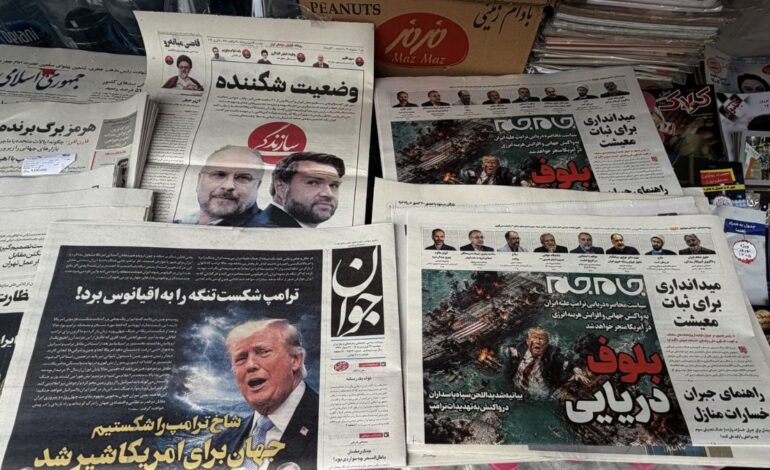

NEW YORK — When the United States and Iran signed a memorandum of understanding on June 14, ending more than three months of war and opening a 60‑day negotiating window, the announcement was greeted with international relief. But a central question remains unresolved: can the economic relief Tehran is demanding actually be delivered and through which legal channels?
The answer runs directly through a deeply divided UN Security Council.
The Snapback Roadblock
Under the deal, Iran commits to a moratorium on nuclear enrichment, while the US agrees to lift sanctions and release billions in frozen funds. Iranian state media has published what it describes as a “14‑point draft” that includes the release of $24 billion in frozen assets during the 60‑day period. But formal implementation faces a major hurdle.
In August 2025, France, Germany and the UK — the “E3” — triggered the “snapback” mechanism under UN Security Council Resolution 2231, which reimposed UN sanctions on Iran’s nuclear and missile programs, asset freezes, travel bans, and restrictions on Iranian banks. Those sanctions took effect in September 2025 and remain in place. The US‑Iran peace agreement does not automatically override them.
“Only the Security Council can agree to undo the sanctions that were reimposed by the snapback mechanism,” said Daniel Forti, a senior analyst at the International Crisis Group. “It will take the entirety of the Security Council to ultimately sign off on those sanctions‑relief efforts.”
A Fractured Council
China and Russia have contested the legal right of the E3 to trigger snapback, arguing that all previous sanctions were permanently lifted when the JCPOA expired in October 2025. The result is a fractured council and uneven enforcement: some states continue to trade with Iran, while Western nations enforce the reimposed restrictions.
“Russia, China and some other states may continue to trade with Iran while not observing these sanctions,” Forti explained, “but a number of other states do so it imposes a major economic cost on Iran regardless.”
Bilateral vs. Multilateral Relief
US bilateral sanctions can be eased through executive action alone. But UN sanctions require a new Security Council resolution and unanimity among the five permanent members is far from guaranteed. The Iranian Foreign Ministry has said it will demand a new council resolution to ratify any final agreement.
“It’s in every state’s interest to have a final deal ratified by the Security Council,” Forti said. “It creates international legitimacy for the political underpinnings of the agreement.”
For now, meaningful economic relief for Iran depends not on Washington alone, but on the diplomatic machinery of the UN in New York. And that remains the hardest lift of all.
Also Read:
Wall Street Cheers as Iran War Deal Sparks Market Gains and Lower Oil Prices