




Reawakening Al-Andalus: Exploring Arabic Identity in Modern Spanish Life
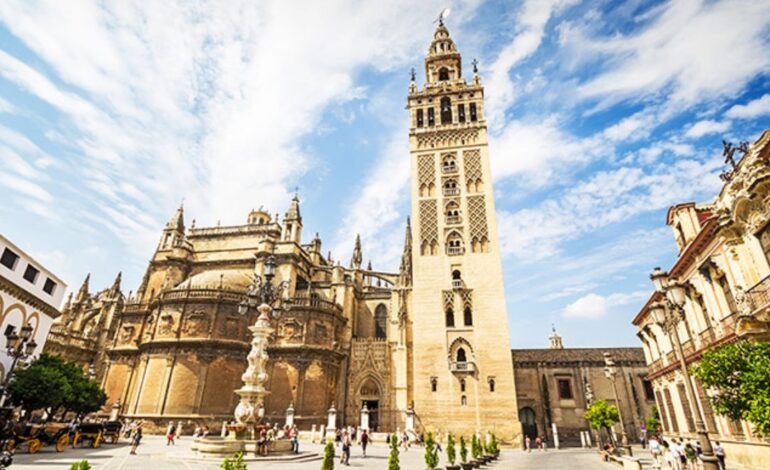

Drive from Valencia to Alicante, and you will pass towns called Alfafar, Algemesí, and Alzira. That is no accident. For nearly 800 years, much of Spain was under Muslim rule, and Arabic was the lingua franca. Today, that history is waking up.
In Alicante, road signs now appear in Spanish, English, and Arabic. One reads: “Gran Via – Town Centre – وسط البلد.” More than 1 million people in Spain speak Arabic as a first language—over 2% of the population. And interest in learning Arabic is growing, driven by business ties with North Africa and the Gulf.
Barcelona‑based rapper Miss Raisa, of Moroccan origin, spits verses in Spanish, Catalan, and Arabic. She uses the language to challenge stereotypes about Muslim women. “Dik el anwa3 de nasai7” (those kinds of advice), she raps in one song, rejecting unsolicited judgments.
Schools are also stepping in. A long‑standing programme teaches Arabic and Moroccan culture to children of Moroccan descent. Supporters say it preserves identity; critics argue it hinders integration. Meanwhile, linguists note that over 4,000 Spanish words—like ojalá (from insha’allah) and azafrán (saffron)—come from Arabic.
As one poet put it: “Both languages and cultures will need to seek each other out.” In Spain’s streets, music, and classrooms, that search is already underway.
Also Read:
How Direct Mail Is Reclaiming Marketers Amid Digital Uncertainty
AIM City: Challa Group’s Mega Industrial Vision Set to Transform Andhra Pradesh