
Indonesia Faces Ongoing Fire Crisis Despite Intensive Control Measures
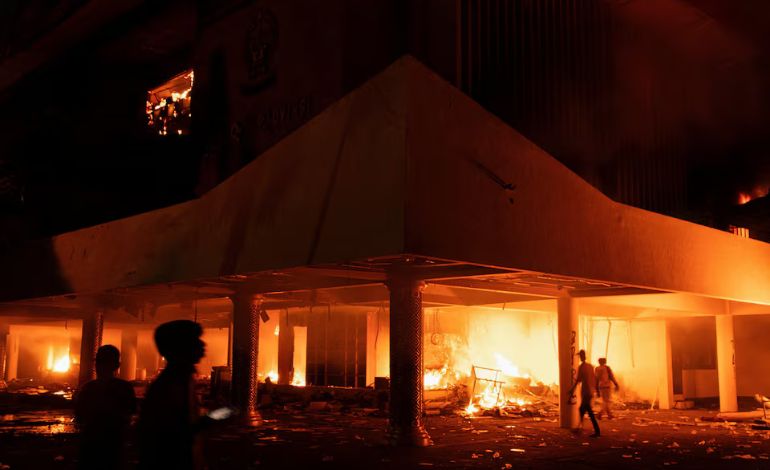

Indonesia is throwing everything it has at massive forest fires burning across Borneo and Sumatra, but dozens of aircraft and thousands of personnel are still struggling to bring the blazes under control, a senior official said Monday.
Firefighters have been battling the fires for weeks as toxic haze spreads across parts of the country and into neighboring Malaysia and Singapore. Cabinet Secretary Teddy Indra Wijaya said the government has deployed 64 aircraft and 54,000 personnel to the affected islands since last month for water bombing operations, describing efforts as moving from the air to the ground with all forces continuing to push forward. He said the country’s vast territory and the challenging nature of its peatlands are making the fires especially difficult to fight in various regions.
Daniel Sinyor, a spokesperson for the disaster mitigation agency in West Kalimantan, one of the hardest-hit areas, said the varying depths at which fires burn within local peat soil is adding another layer of difficulty. He also pointed to a shrinking supply of water available to ground crews, noting that water sources tend to decrease or even disappear entirely in areas already affected by the fires.
Frustration over the recurring crisis boiled over last week when Indigenous and civil society groups in West Kalimantan filed a class action lawsuit against the government, naming the president and the regional governor, accusing them of failing to prevent the fires. The group’s lawyer, Glorio Sanen, said in a statement that this is not a new disaster, but one that occurs every year, arguing the pattern shows officials were well aware of the risks posed by forest and land fires and the haze crisis that follows.
Around 350 members of Japan’s Self-Defence Forces arrived in West Kalimantan this month to assist with firefighting efforts, and Indonesian President Prabowo Subianto has also said the country is ready to accept help from Malaysia.
Indonesia regularly contends with wildfires during its dry season, which typically runs from July through October, but this year’s fires have been notably more intense, coinciding with what forecasters expect to be the strongest El Nino weather pattern since comparable records began roughly four decades ago. Experts also point to climate change, decades of forest degradation, and slash-and-burn land-clearing practices that have eroded the landscape’s natural resistance to fire.
According to the Indonesian government, more than 202,000 hectares of land burned nationwide between January and July. The Nusantara Atlas project put that figure closer to 300,000 hectares over the same period, and estimated the total affected area had grown to nearly 896,000 hectares once August was included.
Also Read:
How Sustainable Development Goals Are Shaping Modern Business
Trump Says New Denmark Deal Gives US Permanent Security Role in Greenland