
Iran Conflict Fuels Tensions Within Iranian Diaspora in America
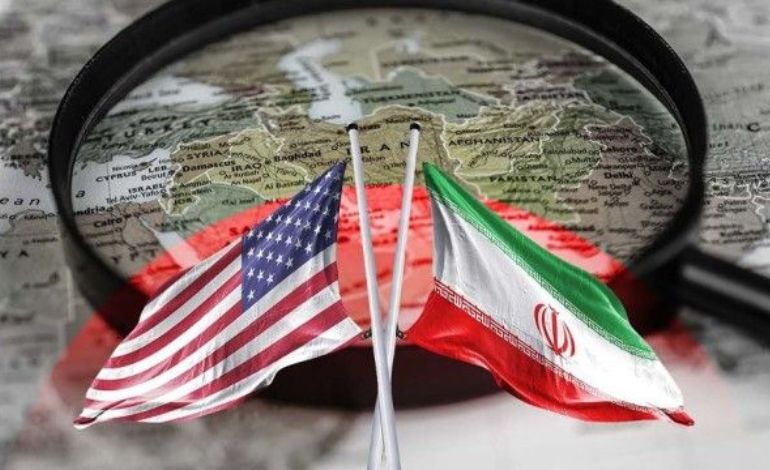

Seven months into the war on Iran, members of the roughly 750,000-strong Iranian community in the United States remain largely united in their opposition to Tehran’s Islamic government, but deep divisions have opened up over whether the conflict will actually succeed in ending 47 years of clerical rule.
For Soroush, a Washington-area 3D artist who came to the US a decade ago, opposing the war hasn’t meant supporting the regime, but it has cost him friendships, including with his own brother and sister-in-law, after fighting began on February 28. He said people back in Iran are the ones who will lose friends, family members, jobs and savings, not those watching from the diaspora, pointing to the toll of past US wars in the Middle East as a warning. Fellow exiles have accused him of siding with their oppressors simply for questioning the war’s outcome.
Others in the community have faced the opposite backlash for supporting the conflict. Bahar, who works in the medical field, and Aahoo Sigarchi, a bank employee, both back the war, driven partly by anger over the thousands of protesters killed by Iranian security forces in January 2026. Aahoo, a strong supporter of exiled royal figure Reza Pahlavi, said she and others are simply voicing what their friends and family inside Iran cannot say themselves, and argued that realistically, there’s no other solution left on the table.
Sahar Razavi, director of the Iranian and Middle Eastern Studies Center at California State University, Sacramento, said the war has strained or broken family relationships and ended lifelong friendships across the diaspora, intensifying tensions that existed before the fighting started. Polling commissioned by the National Iranian American Council, a group that opposes the war, found that diaspora support was roughly split in half when the conflict began, but had fallen to about a third within a month, with two-thirds opposed. Razavi said this has left early skeptics of externally driven regime change feeling vindicated, while many supporters have grown more entrenched, and a smaller but growing group has shifted toward rallying around the Iranian government as it faces off against the United States.
Mohammad Reza Mousavi, a former Tehran-based journalist who opposes both the war and the regime, said enthusiasm for the conflict appears to be fading, and criticized what he described as quickness among war supporters to label anyone who isn’t fully aligned with them. According to Razavi, community organizations hosting Farsi classes or Persian poetry readings have faced criticism for not explicitly backing what supporters call the liberation struggle. But pressure has cut both ways, according to war supporters: Bahar said she’s been called a fascist for voting for Trump, lost around 100 Instagram followers, and pulled her eight-year-old son from a school after a teacher repeatedly raised the war in class.
Despite the discord, Mousavi struck a more reflective note, saying that times of hardship reveal who the people around you really are.
Also Read:
Oil Market Under Pressure as Middle East Supply Concerns Recede
US Denies Palestinian Leader Mahmoud Abbas Visa for UN General Assembly


















7 Comments
[…] Iran Conflict Fuels Tensions Within Iranian Diaspora in America […]
[…] Iran Conflict Fuels Tensions Within Iranian Diaspora in America […]
[…] Iran Conflict Fuels Tensions Within Iranian Diaspora in America […]
[…] Iran Conflict Fuels Tensions Within Iranian Diaspora in America […]
[…] Iran Conflict Fuels Tensions Within Iranian Diaspora in America […]
[…] Iran Conflict Fuels Tensions Within Iranian Diaspora in America […]
[…] Iran Conflict Fuels Tensions Within Iranian Diaspora in America […]