





The Strange New Way People Are Speaking to Gemini Online
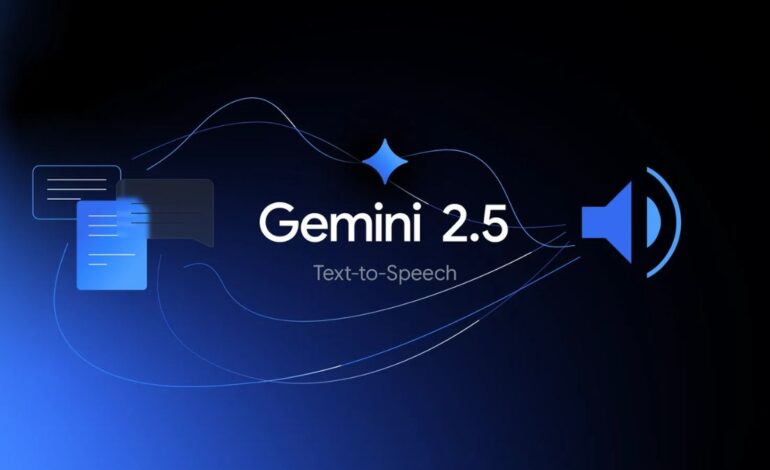

Google has introduced a fundamentally different way of interacting with its technology, one that embraces imperfection, rambling, and incomplete thoughts. Rather than requiring users to speak clearly and specifically to accomplish tasks, the company’s new suite of voice-powered features actively encourages people to simply talk, leaving it to the AI to figure out what they mean and what they want.
This represents a significant departure from how voice assistants have worked for over a decade. Amazon Alexa and Google Assistant taught people a specific way to speak: clear commands, specific requests, structured language. Now Google is asking people to do the opposite—to ramble, to be conversational, to let their thoughts wander while the AI does the heavy lifting of interpreting, organizing, and executing.
Rambling as a Feature
Rambler, Google’s updated speech-to-text feature, exemplifies this new philosophy. Rather than transcribing exactly what someone says, it filters out the verbal tics—the ums and ahs—and captures the essential meaning of what a person is trying to communicate. It handles language-switching mid-sentence, something many bilingual people do naturally in conversation. The result is speech that’s been cleaned up and organized without the speaker having to think about being precise.
The accessibility benefits are genuine. Hands occupied? No problem. Want to send a message without typing? Rambler handles it. But beneath the convenience lies a subtle shift: the responsibility for clear communication has transferred from the speaker to the machine.
Outsourcing Thought
Google’s ecosystem of new voice features extends this pattern across multiple applications. Docs Live turns rambling conversations into organized documents, automatically pulling relevant information from email, drive, and the web. Keep Live does the same for notes. Gmail Live helps find emails through conversational searching rather than typing queries.
Each feature eliminates a step that previously required thought. Writing a speech? Talk to Docs Live instead of organizing your own ideas. Taking notes? Ramble at Keep Live rather than processing information in your own words. Looking for an email? Describe what you’re vaguely remembering rather than constructing a search query.
In Google’s own demonstration of Docs Live, a software engineer asked to speak at his alma mater about his career simply talks to the AI rather than thinking through and writing his own speech. Google positioned this as convenient. But it also represents something else: outsourcing a task that might have been meaningful precisely because it required thinking.
The Rewarding Work of Communication
Most people have experienced the sometimes-frustrating process of laboring over a text message—choosing exactly the right words, editing for tone, revising to capture the right meaning. It’s work. But it’s also the work of communication itself, the process through which we clarify our own thoughts by articulating them.
Rambler skips that process. You don’t have to choose your words carefully. You don’t have to think through what you’re trying to say. The AI will figure it out, clean it up, and send it. The convenience is undeniable. But so is what disappears: the rewarding friction of actually thinking about what you want to communicate.
A Shift in What Machines Demand
Previous voice assistants required users to think before speaking. You had to know which light you wanted to turn on or what skill you wanted to invoke. The structure of the interaction forced a kind of clarity.
Google’s new approach is more forgiving. It doesn’t care if you’re vague, incomplete, or rambling. It will extract meaning from imprecision. This is more human-like—people don’t always speak clearly or completely. But it’s also less demanding of thought. Why think clearly when the machine can handle unclear input?
What Gets Lost
The preponderance of voice-first, rambling-friendly features raises a philosophical question: if Google Docs doesn’t require thinking hard about what you want to write, what is it anymore? If Google Messages will handle the communication for you, what role remains for your own voice?
Some of these tools will genuinely help people—healthcare workers, people with mobility challenges, those dealing with time pressure. But the broader pattern suggests a shift in how we relate to technology. Rather than machines adapting to how humans think, humans may be adapting to what machines find easiest to process.
Thinking Less by Design
Google isn’t requiring anyone to use these features. For paying subscribers, they’re optional. But the accumulation of tools that ask less of users raises questions about what sustained use might mean for how people think.
Speaking clearly requires thought. Writing requires organization. These aren’t just techniques—they’re processes through which we clarify our own minds. A generation that increasingly offloads these cognitive tasks to machines might find themselves thinking differently than one that didn’t.
Google’s new voice features are likely to be useful to millions. But by systematically reducing the demands placed on users to think carefully about what they’re trying to communicate, they may be changing something more fundamental: how people think at all.
Also Read:
Dubai Sees 30% Jump in Gold Jewellery Demand After India Raises Import Duty
Expo 2030 Riyadh Reveals Delivery Progress and Long-Term Legacy Plans