




Dubai Restaurants Under Pressure as Iran War Drives Costs Higher
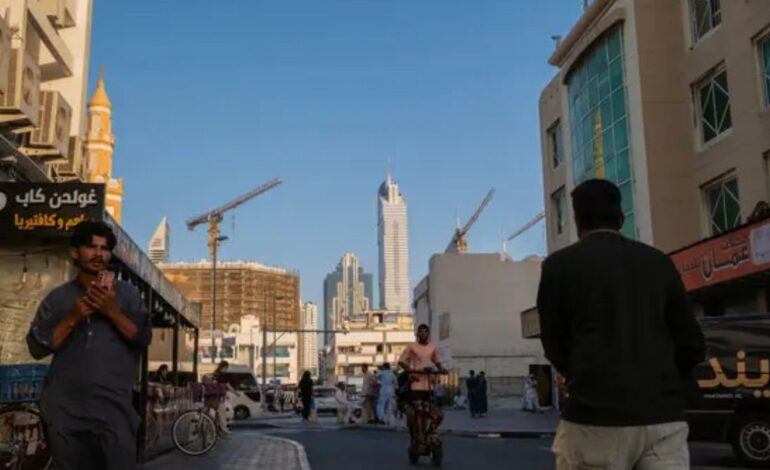

Dubai’s thriving restaurant scene is facing unprecedented challenges as the two-month Iran conflict disrupts supply chains, drives ingredient costs higher, and reduces customer traffic across the city’s hospitality sector.
The immediate problem is concrete. Chef Shaw Lash at Mexican restaurant Lila Molino imports fresh avocados and tomatillos essential to her cuisine, but the closure of the Strait of Hormuz and skyrocketing jet fuel prices have made these staples both scarce and expensive. She has responded by scaling back production, cutting staff hours, and purchasing ingredients in smaller quantities—measures she hopes are temporary.
The broader economic impact is substantial. The UAE’s full-service restaurant market, valued at $9.5 billion last year, was projected to grow 20 percent to $11.3 billion this year before the war erupted. That growth trajectory now appears uncertain. A survey of 30 restaurant industry leaders operating approximately 400 establishments found that operators experienced an average 27 percent drop in demand compared to a year earlier, while supplier costs increased by an average of 13 percent.
The Strait of Hormuz closure is particularly damaging for Dubai, which imports more than 80 percent of its food for consumption. Although a ceasefire took effect on April 8, the crucial waterway remains effectively closed, disrupting normal supply flows that the city depends on.
Transportation costs have become prohibitive. Air freight rates have risen as much as 70 percent on some routes as the conflict has blocked oil shipments and driven up jet fuel prices. Kelvin Cheung, chef at fusion restaurant Jun’s Dubai, explained the challenge: procuring specialty ingredients like Norwegian scallops or particular Japanese seafood through air freight now costs 30 to 35 percent more than before the war.
Chefs are adapting strategically. Cheung has shifted to using local fish on his menu and introduced a six-course meal for 225 dirhams ($61) featuring locally sourced ingredients. Other restaurants are preparing discounted set-price offerings for Restaurant Week in May. Some venues have trimmed menus, offering fewer dishes while focusing on readily available ingredients. Others are turning toward more regional cuisine that doesn’t rely on expensive imports.
The impact varies by location. Tourist-exposed restaurants and those in business districts are under the greatest pressure, while establishments in residential neighborhoods demonstrate greater resilience and, in some cases, growth. The loss of tourism has been particularly damaging—the massive influx of international visitors that typically provides significant economic stimulus has declined substantially.
The broader context is important. The restaurant market was already saturated before the war, and the conflict has sharpened existing challenges including high fixed costs, heavy reliance on tourism, and exposure to global supply chains. Food writer Courtney Brandt, who has worked in the region since 2007, noted that the market was “due for a correction” even without the war.
International brands with celebrity chefs and deeper financial resources may fare better, but even these establishments face mounting costs despite local support from Dubai authorities. The city has rolled out economic support measures, reduced fees, and launched campaigns to encourage dining—recognizing that restaurants are a pillar of Dubai’s leisure and tourism sector.
Some fine-dining venues have temporarily closed for refurbishments, while others have opened, suggesting mixed confidence in the market’s near-term prospects. However, there are early signs of recovery. With the ceasefire now in place and schools having resumed, both Lash and Cheung report positive uplift in business and a sense of normalcy slowly returning to the city.
The coming weeks will test whether this recovery momentum can sustain against continued uncertainty about when full supply chain normalcy returns and whether tourism rebounds to pre-war levels.
Also Read:
Iran Signals Flexibility in US Peace Talks as Nuclear Agenda Takes Backseat