


Iran Signals Flexibility in US Peace Talks as Nuclear Agenda Takes Backseat
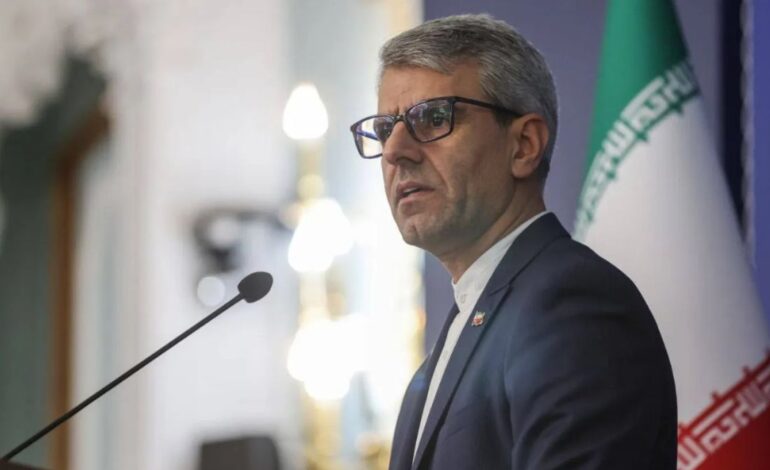

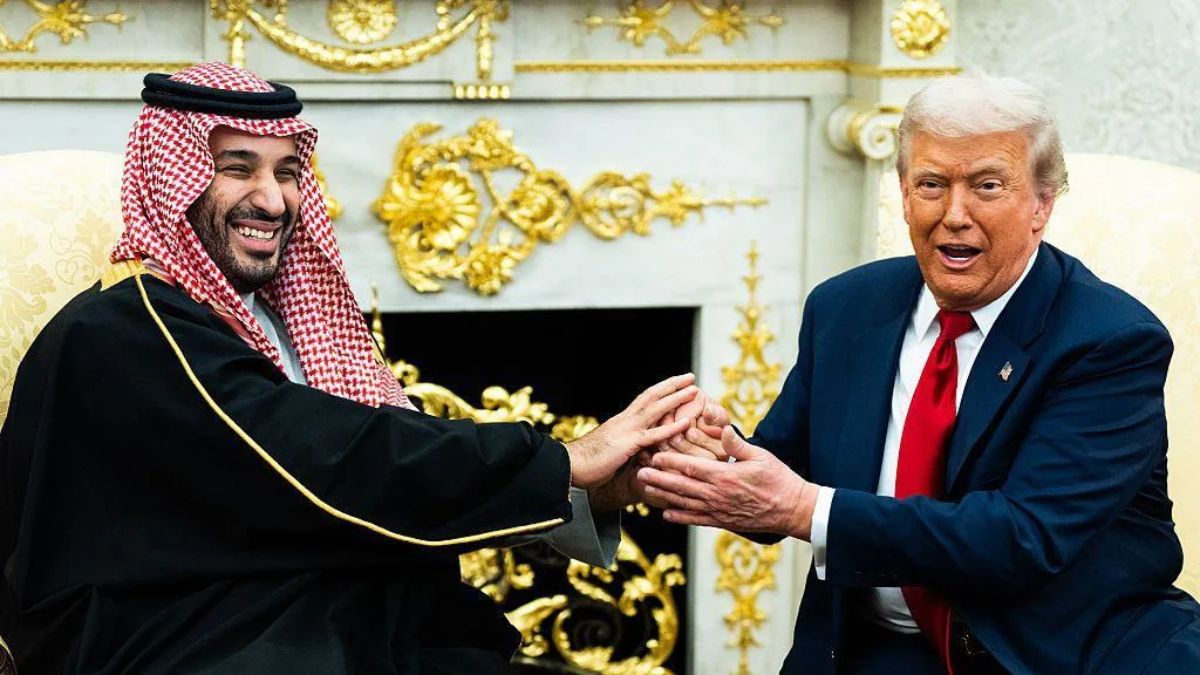
Iran has signaled willingness to negotiate, submitting a 14-point peace proposal to the United States through Pakistani intermediaries. The move represents a potential shift in Tehran’s stance, but President Donald Trump’s immediate response suggests significant gaps remain between the two sides.
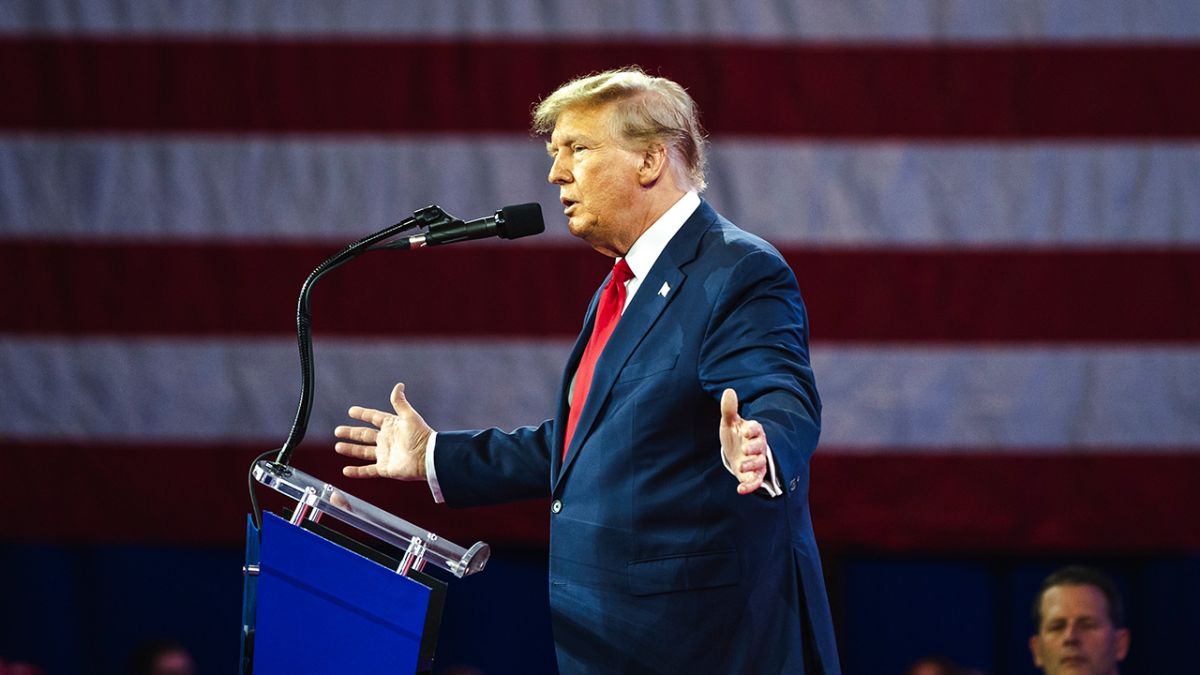
“They want to make a deal, but I’m not satisfied with it,” Trump told reporters. “They’ve made strides, but I’m not sure if they ever get there… They’re asking for things that I can’t agree to.”
A Softened But Still Contentious Offer
According to reports, including from The Wall Street Journal, Iran’s proposal softens some of its earlier demands while outlining a phased approach to negotiations. The framework suggests Tehran is willing to negotiate in stages rather than making absolute demands upfront—a potential opening for dialogue.
However, the specifics of what Iran is requesting—and what Trump finds unacceptable—highlight the fundamental tensions between the two sides. The proposal hasn’t bridged those core disagreements.
Military Pressure Remains Central
Trump has made clear that military options remain actively on the table. He stated he had been briefed on potential military action, laying out the choice starkly: “Do we want to go and just blast the hell out of them… or do we want to try and make a deal—those are the options.”
While Trump expressed reluctance to pursue bombing on “a human basis,” he firmly insisted that Iran cannot obtain nuclear weapons. This red line remains non-negotiable, suggesting military action could proceed if Iran pursues nuclear development.
The Nuclear Question
Iran’s willingness to soften other demands may reflect recognition that Trump will not tolerate progress toward nuclear weapons capability. By deprioritizing or conceding on other issues, Tehran may be attempting to preserve its position on nuclear development.
However, Trump’s skepticism about the current proposal suggests Iran’s concessions aren’t sufficient. The administration believes Tehran is still requesting unacceptable terms, likely related to nuclear restrictions or sanctions relief.
Regional Consequences
The ongoing conflict has created serious economic and geopolitical consequences. Iran’s blockade of the Strait of Hormuz continues disrupting significant global oil and gas flows, pushing energy prices higher and creating international concern about economic disruption.
The longer the conflict persists, the greater the economic damage globally. This pressure creates incentive for both sides to negotiate, but also increases the stakes if negotiations fail.
A Narrow Window
Iran’s proposal represents an olive branch, but Trump’s response indicates skepticism about its sincerity or substance. The question now is whether Iran will modify its proposal further to address Trump’s concerns, or whether the administration will pursue military action.
Both sides appear to be testing each other’s resolve. Iran is signaling flexibility through Pakistan, while Trump is signaling that military options remain credible. Whether this creates space for genuine negotiation or simply precedes escalation depends on whether either side is willing to fundamentally move from its stated position.
What’s at Stake
If negotiations fail and military action resumes, regional instability will worsen, energy markets will face serious disruption, and global economic growth could suffer. If negotiations succeed, they must address Washington’s core concerns about nuclear weapons while offering Tehran sufficient relief to justify the concessions.
For now, Trump has indicated he prefers negotiation to military action, but only if Iran moves substantially from its current position. Iran’s 14-point proposal is a start, but apparently not enough.
Also Read:
Iran Warns of “Painful Response” if US Resumes Military Attacks
Iran Activates Air Defenses as Trump Confronts Critical Congressional Deadline