






Can NASA Meet Its 2028 Moon Landing Goal Amid Artemis Timeline Shifts?
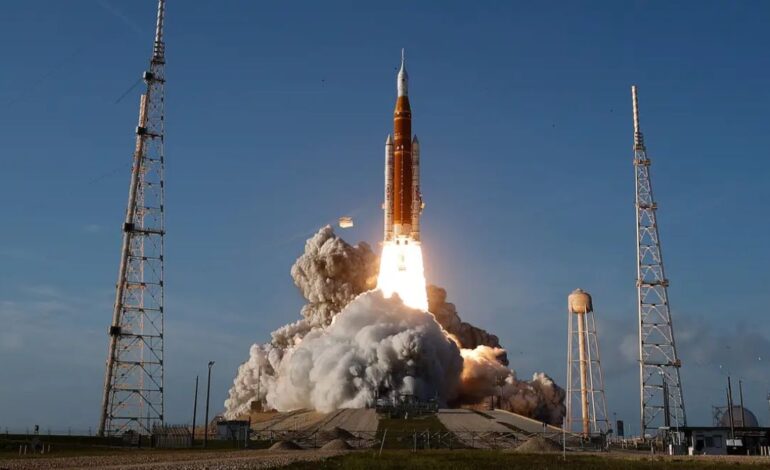

NASA’s Moon ambitions are on an accelerating schedule. Following the successful return of Artemis II earlier this year—which marked humanity’s first crewed lunar mission in over 50 years—the agency is pushing forward with an aggressive timeline. Artemis III is now scheduled for late 2027, leaving NASA with a narrow window to achieve its goal of landing astronauts on the lunar surface in 2028.
The schedule represents a significant departure from traditional space exploration timelines. NASA intends to launch major missions once every ten months rather than waiting several years between flights—an accelerated pace that tests both the agency and its private sector partners.
Artemis II: A Successful Foundation
The recent completion of Artemis II demonstrated that NASA’s new lunar infrastructure works. Four astronauts traveled to the Moon, orbited it, and returned safely to Earth—proving that the Orion spacecraft and the entire system can reliably carry humans on lunar missions. This success provides confidence, but also pressure to move quickly toward the surface.
The 2028 Window
For a 2028 crewed landing to happen, Artemis III must successfully launch in late 2027 and achieve its primary objective: demonstrating a docking maneuver between the Orion spacecraft and privately developed lunar landers. This isn’t a simple milestone—it’s a complex technical achievement involving multiple spacecraft working together in lunar orbit.
If Artemis III experiences delays or technical issues, the 2028 landing goal becomes unrealistic. NASA is essentially betting that nothing goes significantly wrong in the next year and a half.
Depending on Private Partners
NASA’s reliance on commercial partners adds another layer of complexity. SpaceX and Blue Origin are developing the Human Landing Systems that will carry astronauts from lunar orbit to the surface. These are sophisticated vehicles that must meet rigorous safety standards before NASA will trust them with crews.
Both companies need to complete several critical milestones before receiving human-rated certification. SpaceX’s Starship must demonstrate reliability in multiple test flights. Blue Origin’s system must prove it can operate safely in the lunar environment. Neither company can afford failures if the timeline is to hold.
The Technical Challenges
Beyond the spacecraft themselves, Artemis III requires coordinating complex operations in lunar orbit. Orion must dock with a commercial lander, astronauts must transfer between spacecraft, and the lander must safely reach the lunar surface. Each step introduces potential complications.
Mission planning also involves longer-duration lunar stays than Apollo-era missions, more sophisticated scientific objectives, and operations in more challenging lunar terrain. The margin for error is smaller than many appreciate.
Realistic Assessment
Space agency timelines historically slip. While NASA’s aggressive approach deserves credit for ambition, the 2028 landing goal represents an optimistic scenario. Technical delays, test failures, or unforeseen complications could easily push the timeline to 2029 or beyond.
However, NASA has successfully managed accelerated timelines before. The agency’s determination to demonstrate regular lunar access—reflected in the once-per-ten-months launch cadence—shows serious commitment to making this work.
What Success Looks Like
If Artemis III launches on schedule in late 2027 and successfully demonstrates all planned objectives, a 2028 lunar landing becomes feasible. If either SpaceX or Blue Origin encounters significant setbacks, or if Artemis III experiences delays or technical issues, the target date likely slips.
For now, NASA is operating on an accelerated schedule that leaves no room for major problems. The agency has shown it can execute complex lunar missions, but the next 18 months will test whether it can maintain this pace while ensuring safety and success.
The Moon is closer than it’s been since the Apollo era, but the final steps may take longer than currently planned.
Also Read:
Iran Warns of “Painful Response” if US Resumes Military Attacks
Iran Activates Air Defenses as Trump Confronts Critical Congressional Deadline