
Isolation Sparks Identity: Muscovites Turn Back to Russian Traditions
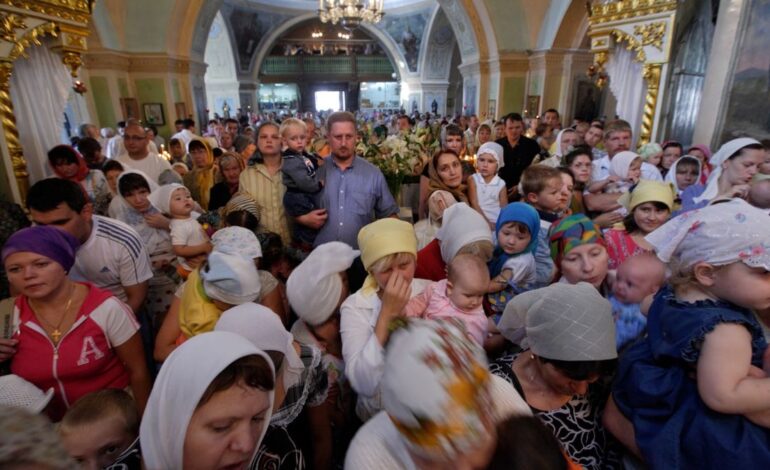

As Russia’s war in Ukraine deepens its isolation from the West, many Muscovites are turning inward—rediscovering the foods, fashions, and customs of their ancestors.
At a cooking school in Moscow, young professionals learn to bake “smetannik,” a traditional sour cream layer cake. “In such troubling times, you want to return to something familiar,” said Yulia Fedishova, a 27‑year‑old corporate trainer.
The trend is visible across the capital. Cafes serve teas infused with cloudberries and pine‑cone jam. Banya visits—complete with birch branch flogging and icy plunges—have outpaced modern spa trips. Even the kokoshnik, an elaborate traditional headdress, has reappeared at bars and social events.
President Vladimir Putin has cheered the shift. “It makes me very happy,” he said last October.
Analysts say the revival is driven by both Kremlin‑led messaging—branding the West as decadent—and genuine grassroots sentiment. With travel to Europe nearly impossible and foreign social media restricted, many Russians say they feel forced to retreat into their own identity.
“This is our new kind of patriotism,” said interior designer Anna Loseva, noting that clients now prefer authentic Russian designs over Western copies. “We can’t be separated from Europe,” said restaurateur Alexei Kochkarev, whose eatery blends Orthodox monastery aesthetics with Scandinavian minimalism. “But why is it necessary to choose?”
Also Read:
Brands Need Foresight, Not Just Insight: Navigating Change with Confidence
How AI Is ‘Sweating the Information Harder’ in Today’s Market Research Industry