





WHO Greenlights First Malaria Treatment for Babies Under 5 Months
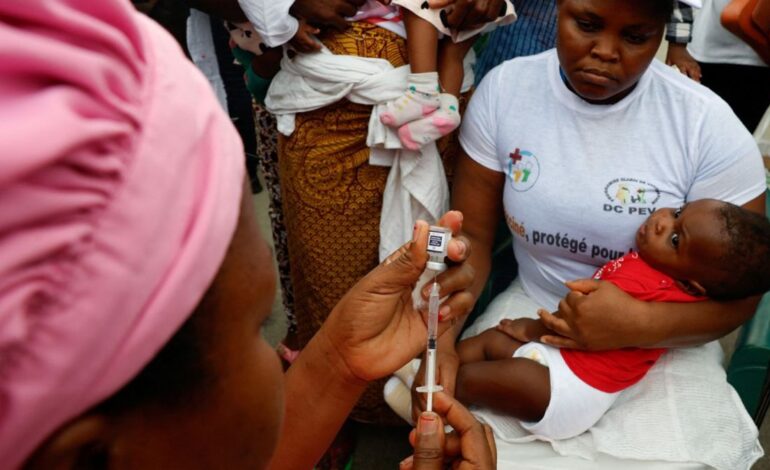

The World Health Organization has reached a landmark moment in the fight against malaria. For the first time, the UN health agency has granted prequalification approval to artemether-lumefantrine, an antimalarial treatment specifically formulated for newborns and infants.
The approval represents a major breakthrough for one of the world’s most vulnerable populations. Until now, babies diagnosed with malaria have been treated with formulations designed for older children—a practice that carries significant risks of dosage errors, dangerous side effects, and toxicity.
“The prequalification designation indicates that the medicine meets international standards of quality, safety and efficacy,” the WHO said in a statement. The approval opens the door to public sector procurement and represents a crucial step in closing a treatment gap affecting approximately 30 million babies born annually in malaria-endemic areas of Africa.
A Disease That Still Steals Lives
The scale of malaria’s impact remains staggering. In 2024, there were an estimated 282 million malaria cases and 610,000 deaths across 80 countries. Africa bears the heaviest burden, accounting for 95 percent of all cases and deaths. Most devastating is the toll on children: youngsters under five account for three-quarters of all malaria deaths globally.
WHO Director-General Tedros Adhanom Ghebreyesus framed the moment in historical terms: “For centuries, malaria has stolen children from their parents, and health, wealth and hope from communities. But today, the story is changing.”
Why This Matters Now
Progress against malaria faces mounting challenges. Drug-resistant strains are spreading, mosquitoes are developing resistance to insecticides, diagnostic capabilities are failing in some regions, and foreign aid funding has declined sharply. These obstacles have made new, effective tools more critical than ever.
The approval of a treatment specifically designed for the youngest patients removes a major barrier. Infants with malaria now have access to a medication formulated precisely for their needs—eliminating guesswork and reducing dangerous side effects.
Global Health Infrastructure Gap
The WHO prequalification program serves another essential function: ensuring quality and safety globally. Approximately 70 percent of countries lack regulatory systems robust enough to oversee medicines and medical devices independently. The WHO’s prequalification guarantees that products meet rigorous international standards, enabling countries with weaker oversight to procure safe, effective treatments.
This new formulation will enable health systems across Africa to treat infant malaria cases with confidence, marking real progress in a disease that has plagued humanity for centuries.
Also Read:
Eastern Pacific Incident: US Military Strike Leaves Two Dead
Hormuz Strait Mine Clearance Timeline: Six Months of Global Risk Ahead