
Migrant Workers Choose Kashmir Despite Fears of Militant Violence

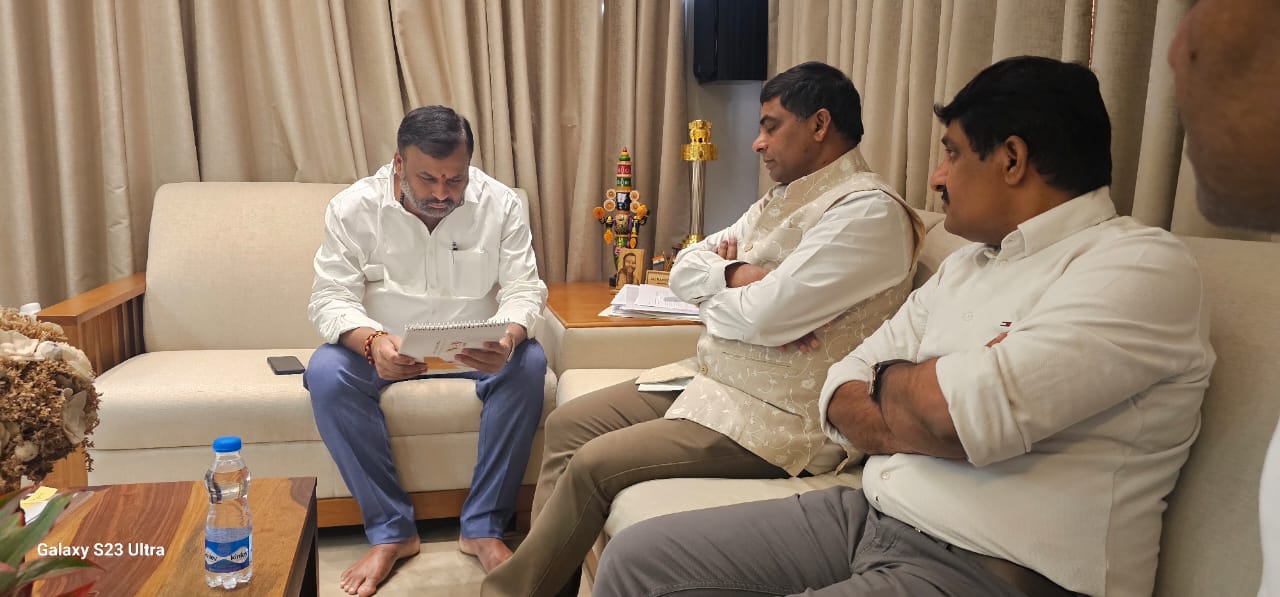
Every spring, mason Mohammad Ghulam Sarwar boards a train bound for Indian-administered Kashmir, chasing better wages even though migrant workers there have repeatedly been targeted by militants. He’s one of roughly half a million laborers who make the same journey each year, forming the backbone of an economy in the Himalayan region that now leans heavily on workers from some of India’s poorest states.
That reliance has held steady despite decades of insurgency. Since 2019, at least 24 migrant workers have been killed in militant attacks across the territory, according to local media reports, part of a broader toll that has claimed more than 1,500 lives in the same period, including 219 civilians, according to the South Asia Terrorism Portal. Just last month, gunmen shot and killed two brick kiln workers from the central state of Chhattisgarh.
Even so, for workers like Sarwar, the math still favors Kashmir. He earns around 1,200 rupees a day there, compared with roughly 700 rupees for the same work back home in Bihar, when work is available at all. Kashmir, he said, feels like paradise, and he plans to keep returning for as long as his body allows.
The region, which struggles with some of India’s highest unemployment rates, has grown increasingly dependent on outside labor for jobs many locals consider undesirable, including domestic work, farming and construction. Mohammad Ashraf Mir of the Kashmir Chamber of Commerce and Industry said skilled local labor is scarce outside the handicrafts sector, and dependence on migrant workers keeps climbing toward something close to total reliance.
Each morning, laborers gather in Srinagar’s main squares hoping to be hired for the day, most staying around eight months before winter shuts down construction and farm work. Sarwar shares cramped housing with roughly 200 other workers, several to a room, paying little more than five dollars a month. Outside, paramilitary troops, armored vehicles and round-the-clock camera surveillance are a constant presence, a security response one official described as having grown far more robust over time, even as workers remain easier targets than most.
Police encourage laborers to live in clusters and stay indoors after dark, and some Hindu workers reportedly adopt Muslim-sounding names while in the region out of caution. Attitudes among the workers themselves vary widely. One painter who has worked in Kashmir for decades said he’s never faced any trouble and finds it peaceful there. A younger mason was more direct about his unease, admitting he’s afraid of militants but still drawn to the decent pay, mild weather and open spaces the region offers.
Also Read:
The Story of Geoffrey Hinton, the Godfather of Deep Learning
How Entrepreneurs Build Successful Businesses From the Ground Up