Home
Country
USA
Canada
UAE
Egypt
Europe
India
Iran
Russia
South Africa
UK
Ukraine
Qatar
Interview
Top 10 Stories
World
Business
Finance
Energy
Startups
Tourism & Transport
Technology
Press Release
life style
Fashion & Beauty
Home & Living
Food & Health
Entertainment
Travel
Hobbies & Creativity
Magazine
Close
September 22, 2026
Google Plans Direct Reporting of Child Abuse Content to Indian Authorities
September 22, 2026
Two Republican Senate Candidates Take Different Stance From Trump on Iran War
September 22, 2026
Sri Lanka Court to Deliver Verdict in Landmark Easter Attacks Case
September 21, 2026
PIF Introduces Tawrid to Support Supply-Chain Financing Growth
September 21, 2026
New Qatar Wealth Fund Division Targets Growth in Domestic Investments
September 21, 2026
Indonesia Faces Ongoing Fire Crisis Despite Intensive Control Measures
September 21, 2026
Aleppo Munitions Depot Explosions Leave Four Injured in Northern Syria
September 19, 2026
How Sustainable Development Goals Are Shaping Modern Business
September 19, 2026
Trump Says New Denmark Deal Gives US Permanent Security Role in Greenland
September 19, 2026
Syria Detains 5 Assad-Era Air Force Officers Over Civilian Area Strikes
September 19, 2026
Fatal Building Collapse Underscores Dangerous Conditions in Gaza Strip
September 18, 2026
Istituto Marangoni Riyadh Celebrates One Year of Growth and Success
1
2
…
84
INTERVIEW
Alexey Gubarev: Leading Global Infrastructure Through Bold Investment, Health Innovation, and Community Impact
Ross Tomkins: From Physiotherapy to Portfolio; How One Healthcare Entrepreneur Built a 30-Deal Legacy on the Simple Principle of Winning Together
Sølvi Hjelmeland: From Norway’s Fjords to the Global Maritime Industry Redefining Sustainable Marine Cleaning One Proven Solution at a Time
Friedrich Pattis: Leading a Global Green Cleaning Revolution Redefining Hygiene Through Chemical-Free Innovation, Sustainability, and Health-Conscious Leadership
Pavel Laptev: Building Scalable Digital Finance Solutions Across Emerging African Markets
RITA SINGH: THE WARRIOR MINDSET LEADERSHIP, RESILIENCE, AND PURPOSE IN ACTION
Redefining Clinical Research Infrastructure: Singaiah Kukkapalli on Building a Smarter, Faster, and More Compliant Global Trial Ecosystem
Leadership in Challenging Times: Razan Al Fahoum on Resilience, Unity, and the Future of the UAE
Marco Caruso: Driving Digital Transformation with Vision, Precision, and Purpose
Sarjan Ram: The Visionary Full-Stack Creative Intrapreneur Redefining Culture, Strategy and Creative Enterprise
Cindy Murray: Empowering Communities Through Independent Insurance Leadership and Compassionate Service
Meet Ravi Singh Kickin’Inn: Scaling a Culture-Led Hospitality Empire Without Losing the Soul
Corine Palierse: A Dynamic State of Mind Shaping Business, Creation, and Sustainable Futures
Giannos Komodromos: From Humble Beginnings to Building International Businesses Through Discipline and Vision
Irena Gjini: Turning Resilience into Purpose and Building a Brand Born from Courage
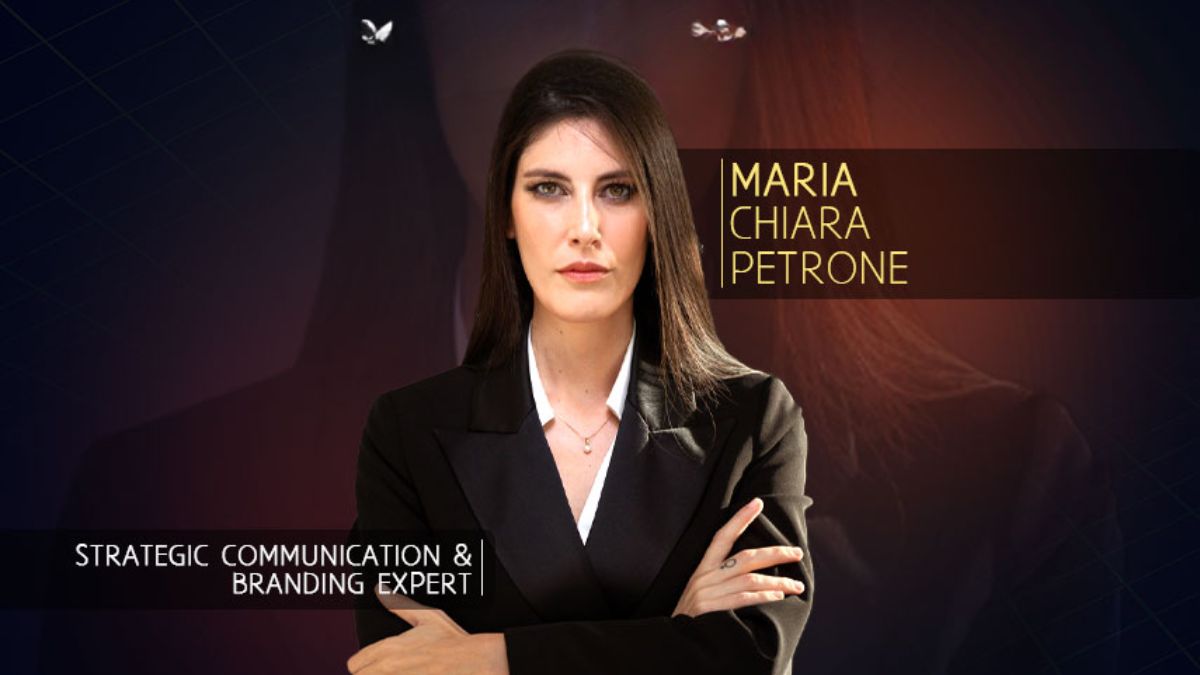
Maria Chiara Petrone: Why Strategic Identity Matters in Today’s Fast-Changing Digital World
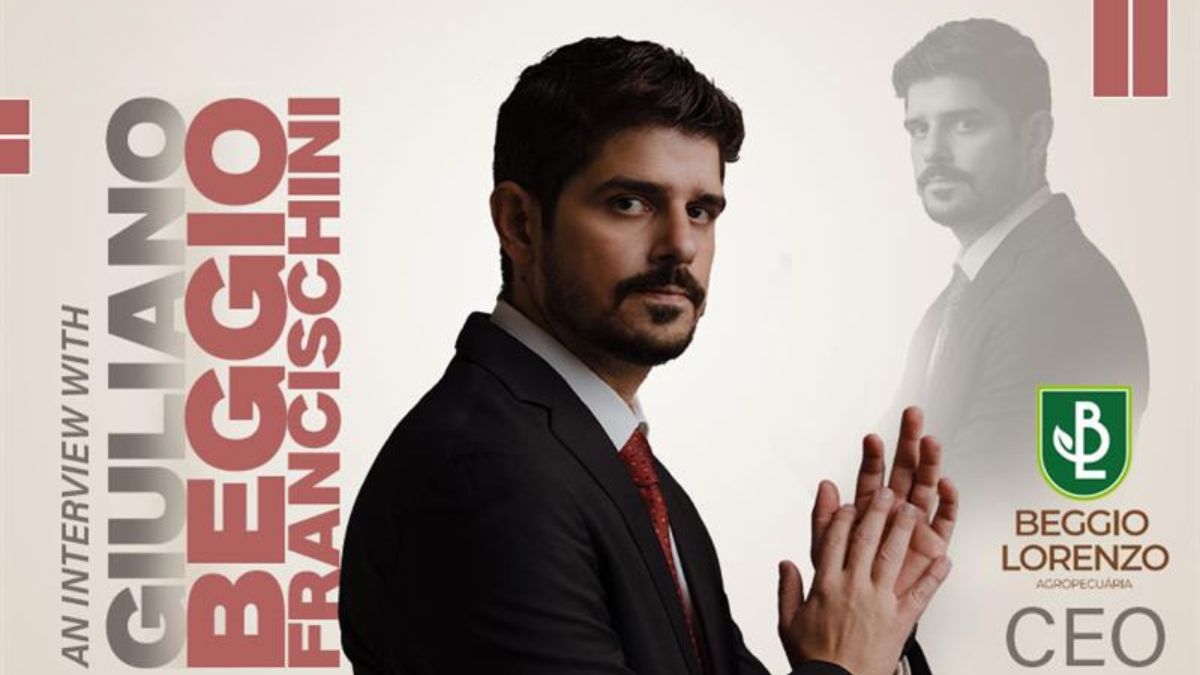
How Giuliano Beggio Francischini Is Transforming Brazil’s Sugarcane Farming for a Greener Future
How Aris Aristidou Is Redefining Hospitality Through Human Connection
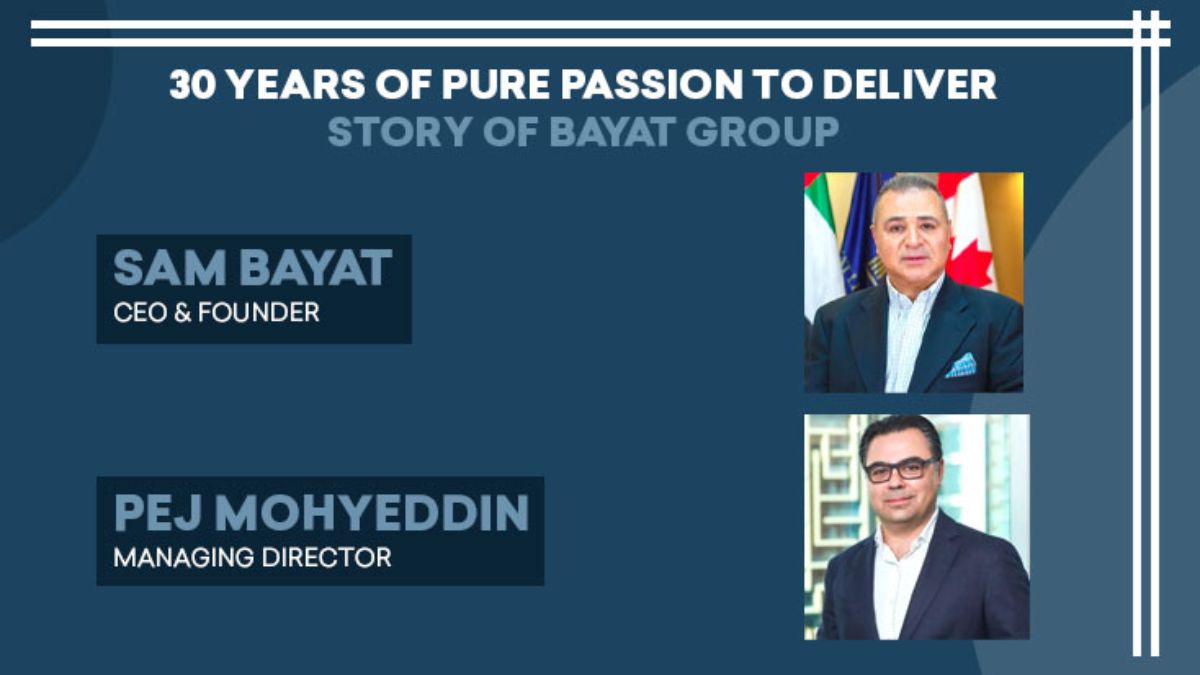
Journey Of Bayat Group: 30 Years of Pure Passion To Deliver!
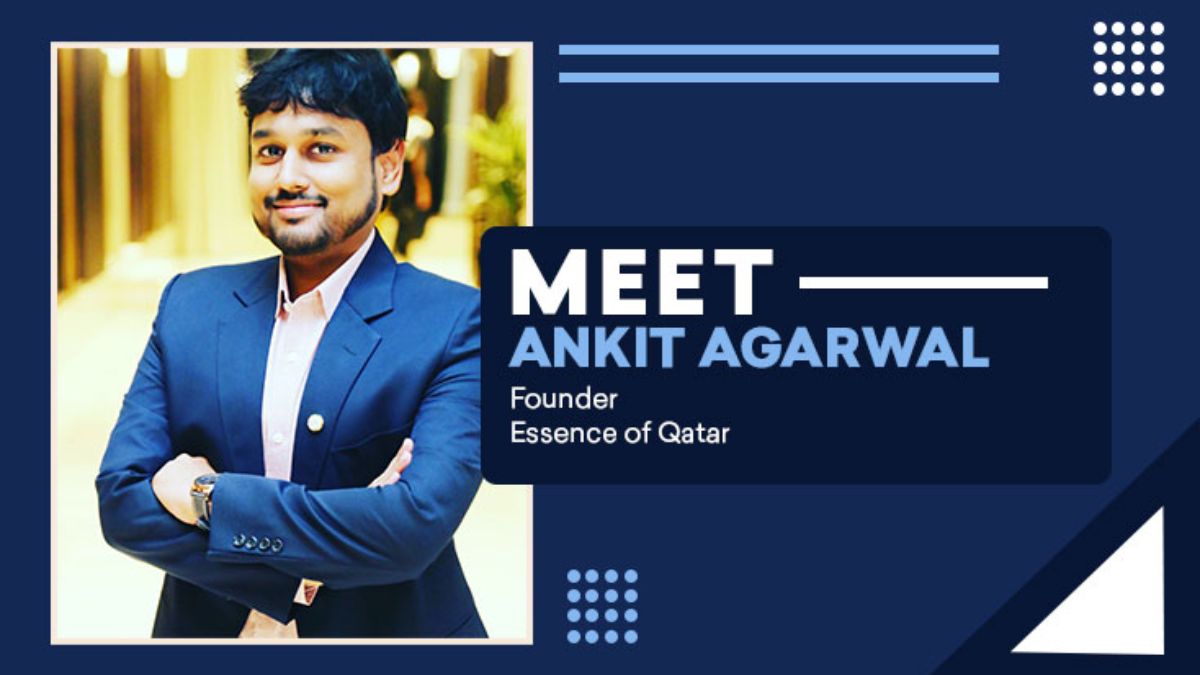
The Ultimate Journey of Ankit Agarwal – Talking about Passion, Art & Work
PRESS RELEASE
AIM City: Challa Group’s Mega Industrial Vision Set to Transform Andhra Pradesh
How Green Ventures Are Changing the Future of Entrepreneurship