




Saudi Arabia’s Smart Warehouses Deliver 70% Higher Capacity and Greater Efficiency
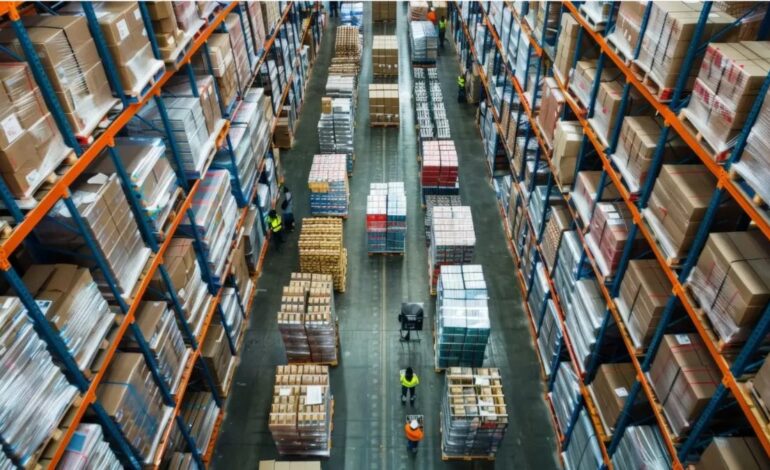

RIYADH — Inside an industrial warehouse north of the Saudi capital, automated systems now lead storage and retrieval operations, replacing forklifts and manual labour. Storage capacity within the same floor space has risen sharply, while workforces have shrunk from dozens of employees to just one or two.
Ahmed Al‑Ansi, CEO of Rfufco, told Al‑Eqtisadiah that automated storage systems raise capacity by up to 70 percent compared to conventional warehouses. Handling speed increases by up to 400 percent by eliminating reliance on forklifts and manual processes.
“A warehouse previously requiring 20 to 25 workers can today be run by just one or two employees, with the ability to operate around the clock without interruption,” Al‑Ansi said. The cost of these systems may be about five times higher than traditional warehouses, but the return on investment is achieved in roughly two years.
Hussam Abu Fares, commercial director of Rifaf, explained that automated storage systems eliminate internal aisles dedicated to forklifts and workers, allowing the entire warehouse floor to be used for storage. A 1,000‑square‑metre warehouse can go from holding 500 pallets under a traditional system to 5,700 pallets using automation.
Both executives said demand for smart warehouse solutions is rising, driven by the expansion of e‑commerce, the evolution of supply chains, and post‑COVID shifts. Abu Fares also highlighted vertical lift module systems — operating like elevators — suited for small and high‑value items such as spare parts, electrical components, and cosmetics, providing enhanced security and reducing waste and theft.
The transformation reflects a broader shift in Saudi Arabia’s storage sector, where warehouses are becoming operational systems powered by automation and software to boost efficiency and reduce costs, supporting the Kingdom’s industrial diversification under Vision 2030.
Also Read:
Ariana Grande Launches New Foundation to Help Children in Gaza
Why Oil Prices Declined 1% Despite Easing Middle East Tensions