
Iran Dangles Hormuz Reopening Deal as Trump Faces Midterm Pressure

Iran has proposed a seven-day roadmap to the United States amid the ongoing conflict, which calls for the reopening of the Strait of Hormuz and resuming nuclear talks upon confirmation that Washington is meeting certain’s conditions.
In the UN General Assembly in New York, Iranian Foreign Minister Abbas Araghchi said Iran had delivered a conditional seven-day plan to Washington through intermediaries.
He briefed reporters in New York outside the UN Security Council about the proposal and stated that “if necessary conditions are met”, it would pave the way for resuming stalled talks with the US regarding Iran’s nuclear program.
Strait Of Hormuz Could Reopen On Sixth Day
“As soon as the US accepts this proposal, a seven-day timeline will begin,” Araghchi said. He added that completing the initial steps would take around four to five days and the strait would open on the sixth day.
He explained that according to the proposal mentioned, the initial steps could take four to five days to complete, after which the Strait of Hormuz would be reopened on the sixth day.
Moving ahead, the seventh day would be set aside for restarting negotiations between Iran and the US over Tehran’s nuclear programme.
A US official told the BBC, when asked about the Iranian offer, that positive discussions were taking place through mediators, including about nuclear issues.
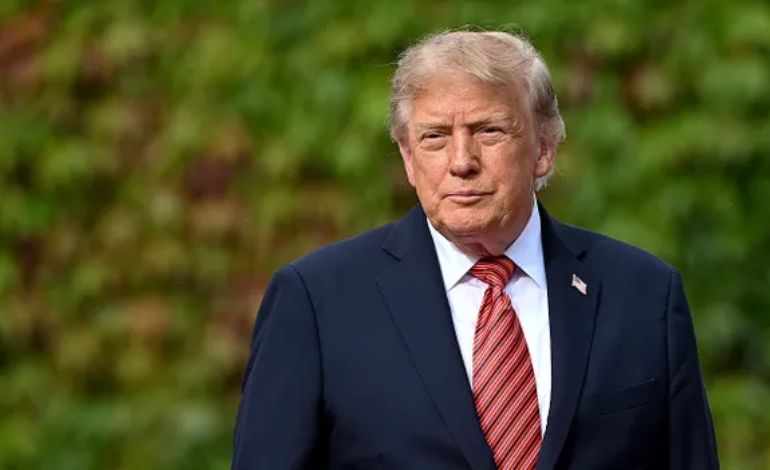
The US has yet to deliver its official statement in response to the proposal. U.S. officials quoted by the Wall Street Journal reportedly said Mr. Trump is”sceptical” that Iran will meet his demands and that he expects to resume a bombing campaign.
Strait Of Hormuz Closure Raises Shipping And Energy Costs
The war began on 28 February, when the US and Israel launched airstrikes on Iran. In response, Iran attacked Israel, US military bases in the Gulf and Arab Gulf allies of the US, while also blocking the Strait of Hormuz.
The strategic waterway previously carried around 20% of global oil and liquefied natural gas supplies. The closure of the Strait led to a significant rise in energy prices, increased shipping, insurance and fertiliser costs, adding to wider inflationary pressures.
Araghchi said at the Assembly, “The conditions we have asked the US to meet are nothing new, nothing more than what was already in the Islamabad agreement, which was signed by the US president.” The main difference, he added, was the speed at which Tehran now wanted the process to move.
Also Read:
How Aspiring Entrepreneurs Can Start a Business With No Money in 2026
Bangkok Battles Widespread Flooding After Citywide Disaster Declaration