

Crude Prices Slip $1 on Supply Optimism and Prospects for US-Iran Talks
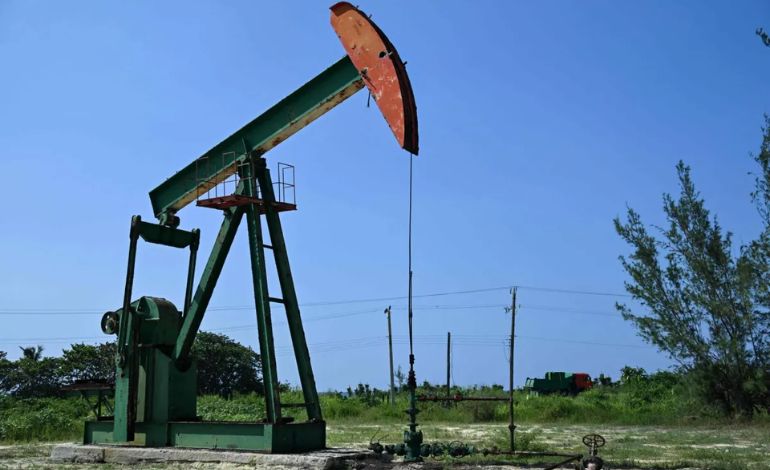

Oil prices extended their decline on Wednesday as investors weighed improving Gulf supply following Saudi Arabia’s restart of a key pipeline, alongside renewed hope for a diplomatic resolution to the US-Iran war.
Brent crude fell 1.1 percent to 98.16 dollars a barrel, while US crude dropped 1.67 percent to 89.01 dollars, with both benchmarks now down for six straight sessions and sitting near two-week lows. President Donald Trump warned Tuesday that he could annihilate Iran, but also said his envoys Steve Witkoff and Jared Kushner had held productive talks with Iranian mediators aimed at ending the conflict, telling reporters he believes there’s a lot of momentum for them to make a deal.
That mix of optimism around supply and a possible path toward de-escalation pushed Brent below 100 dollars a barrel on Tuesday for the first time since September 8. Tim Waterer, chief analyst at KCM Trade, said the market is feeling more constructive about the global oil supply picture than it was a few weeks ago, noting that despite continued tough rhetoric, including talk of annihilation, traders are choosing to price in the possibility that talks between US and Iranian delegations in New York could lead somewhere.
Adding to that sentiment, Saudi Arabia restarted operations on its East-West Pipeline to the Red Sea on Tuesday, according to three sources familiar with the matter, with early signs pointing to increased Middle Eastern oil flows. The pipeline had been shut since September 11 after drone attacks, which Saudi Arabia has blamed on Iraqi militia groups, forced a halt to crude loadings at the kingdom’s Yanbu port. Since the US-Israeli war on Iran disrupted oil flows through the Strait of Hormuz, Saudi Arabia has relied on the pipeline to reroute roughly 4 million barrels a day, about 4 percent of global supply, to Yanbu. On Tuesday, Saudi Arabia also offered additional barrels to Asian refiners for pickup from locations outside the strait.
Iraq is also ramping up exports. Oil Minister Basim Mohammed said Tuesday the country is now exporting more than 3 million barrels a day and expects to boost exports through Turkey to more than 600,000 barrels a day. Provisional shiptracking data from Vortexa and Kpler put Iraqi crude exports in August at 2.3 million and 2.17 million barrels a day respectively, both up from July but still below the pre-war February level of roughly 3.7 million and 3.36 million barrels a day.
Adding further downward pressure, industry data showed US crude inventories rose by 1.8 million barrels in the week to September 18, defying analyst expectations of a decline. Official weekly figures from the US Energy Information Administration are due later Wednesday.
Also Read:
National Bank of Egypt Set to Acquire Banque Misr UAE Branches