
GCC Rail Vision Accelerates with Gulf Railway Set for 2030 Launch
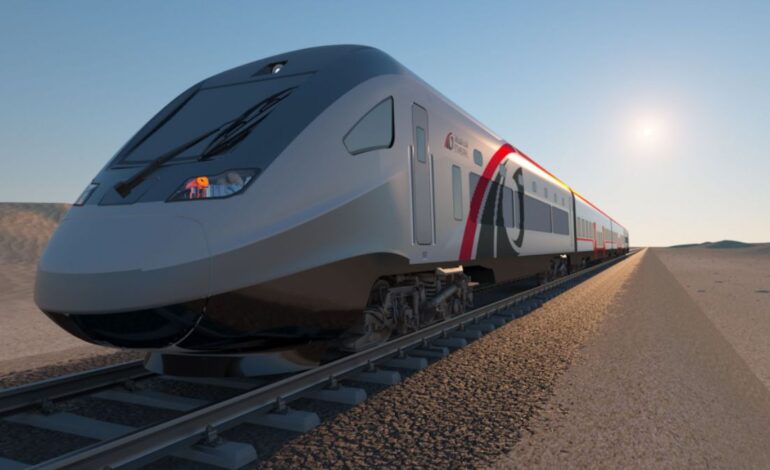

The Gulf Cooperation Council is on track to complete one of the region’s most significant infrastructure projects, with 50 percent of the 1,700-kilometer Gulf Railway now finished and full operational status targeted for December 2030.
According to Mohammad Al-Shabrami, Director General of the Gulf Cooperation Council Railways Authority, the project represents far more than a transportation link. It embodies the GCC’s commitment to deepening economic integration, strengthening supply chains across member states, and positioning the region as a more competitive player in global trade.
A Strategic Catalyst for Regional Integration
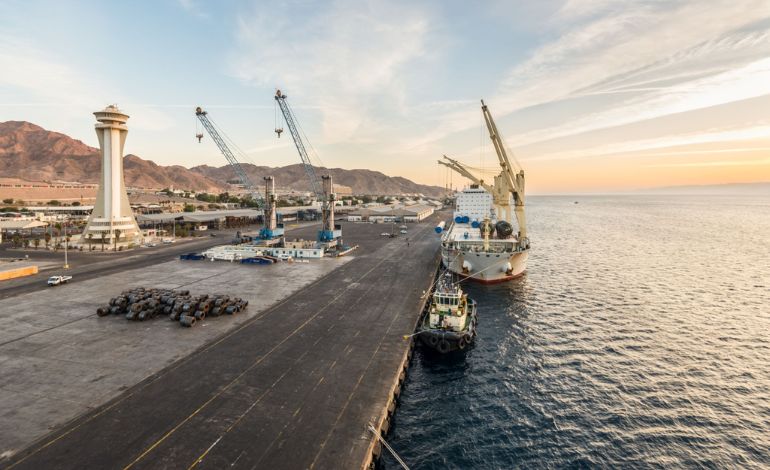
The railway will integrate with existing air, land, and sea transport networks, creating a multimodal transportation system that enhances the region’s logistical capacity. By providing an alternative to truck-based transport, the project will reduce road congestion, lower transportation costs, and decrease carbon emissions—aligning with the GCC’s environmental and sustainability goals.
Al-Shabrami emphasized that the initiative extends beyond mere infrastructure development. The project is deliberately designed to localize industries related to railway operations, create employment opportunities, and deepen cooperation among GCC member states and their national companies.
Economic Impact Projections
The anticipated growth in both passenger and freight traffic reveals the project’s expected transformative impact on regional commerce. Passenger traffic is projected to grow from 6 million travelers in 2030 to over 8 million by 2045—representing sustained demand growth reflecting regional population expansion and economic activity.
Freight traffic projections are equally significant. The railway is expected to handle 200 million tonnes of cargo annually by 2030, growing to 271 million tonnes by 2045. This dramatic increase in freight capacity will fundamentally reshape regional logistics, enabling more efficient movement of goods between GCC states and reducing reliance on trucking for intra-regional trade.
Environmental and Efficiency Benefits
Beyond economic metrics, the railway offers genuine environmental advantages. Reduced truck traffic will lower transportation sector emissions, contributing to air quality improvement across the region. The shift from road to rail transport represents a more energy-efficient approach to moving both passengers and cargo.
The multimodal integration also enhances overall transportation efficiency. Passengers and cargo can seamlessly transition between rail, air, land, and maritime systems, reducing transfer times and costs while improving service quality.
Collaborative Implementation
The project’s success depends on coordinated effort among GCC member states and their national companies. Al-Shabrami stressed that this collaborative approach reflects the GCC’s broader commitment to regional cooperation and demonstrates the member states’ willingness to invest jointly in transformative infrastructure.
This partnership model not only facilitates project completion but also builds institutional capacity within the region and strengthens relationships between member states through sustained cooperative effort.
Timeline and Momentum
With half the project completed and 2030 target approaching, the railway appears to be advancing on schedule. The remaining five years will determine whether the ambitious timeline holds, but current progress suggests genuine momentum toward completion.
The December 2030 launch date will mark a significant milestone for the GCC—tangible proof that major joint infrastructure projects can be executed successfully despite the complexities of coordinating across multiple sovereign states.
Broader Significance
The Gulf Railway represents more than transportation infrastructure. It signals the GCC’s confidence in regional integration and its commitment to building the physical systems necessary for deeper economic cooperation. When fully operational, the railway will carry both cargo and passengers—and symbolically, it will carry the message that the Gulf states view their economic futures as fundamentally interconnected.
For traders, manufacturers, and businesses operating across the region, the railway promises reduced logistics costs, faster shipment times, and more reliable supply chains. For the GCC as a whole, it offers evidence of institutional capacity to execute ambitious shared projects that benefit all member states.
Also Read:
Startup Ecosystem Maintains Growth as MENA Faces Political Tensions
CRDB Bank Opens Dubai Office to Channel Gulf Capital into Africa’s $3.4 Trillion Economy