
The Previous Royals of India are Upholding Their Legacy in a Changing Society
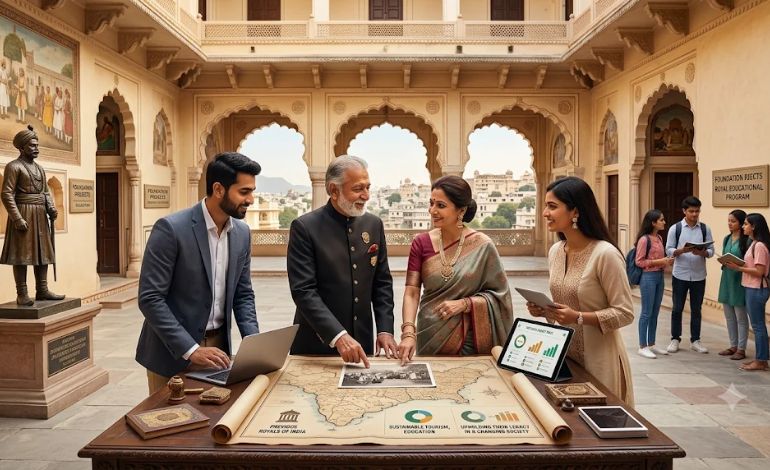

In a grand palace in western India, the “queen,” or Maharani, of Baroda greets guests with fragrant rose petals, offering torchlit dances that tell Hindu stories. Dressed in shimmering regalia, Radhikaraje Gaekwad is queen in name only, a modern entrepreneur running a realm her forefathers once dominated.
The key has been that we have adapted,” 48-year-old Gaekwad told AFP in her sprawling Lakshmi Vilas Palace, describing how India’s former royals have found new roles, from cultural ambassadors to politics. My work has always been to try and bring in change for what I feel would be for the betterment of society,” said Gaekwad, who works to preserve art collected by generations of emperors.
Looking at what was left behind might bring back that sense of identification and pride in their roots, and help them in the future. Under British authority, more than 565 princely entities had some notional autonomy over about 40 percent of the area. One of the most powerful was Baroda, now Vadodara, in Gujarat. The maharajas became regular citizens when they joined democratic India after independence in 1947, but politicians of all parties still try to tap their continuing cultural impact.
This cultural capital has been cashed in by the descendants of erstwhile maharajas to enter active politics,” said historian Manu S Pillai. Prime Minister Narendra Modi’s government has sought to evoke a royal past free from foreign domination to bolster its national narrative.
Also Read:
Judge Tosses Trump Lawsuit Against Wall Street Journal over Epstein Birthday Book
India’s Opposition Stages a Large Gathering to Call for the Resignation of the Election Head